“Histories are shaped by who owns the camera and where they stand to shoot.”
Bill Wylie-Kellermann
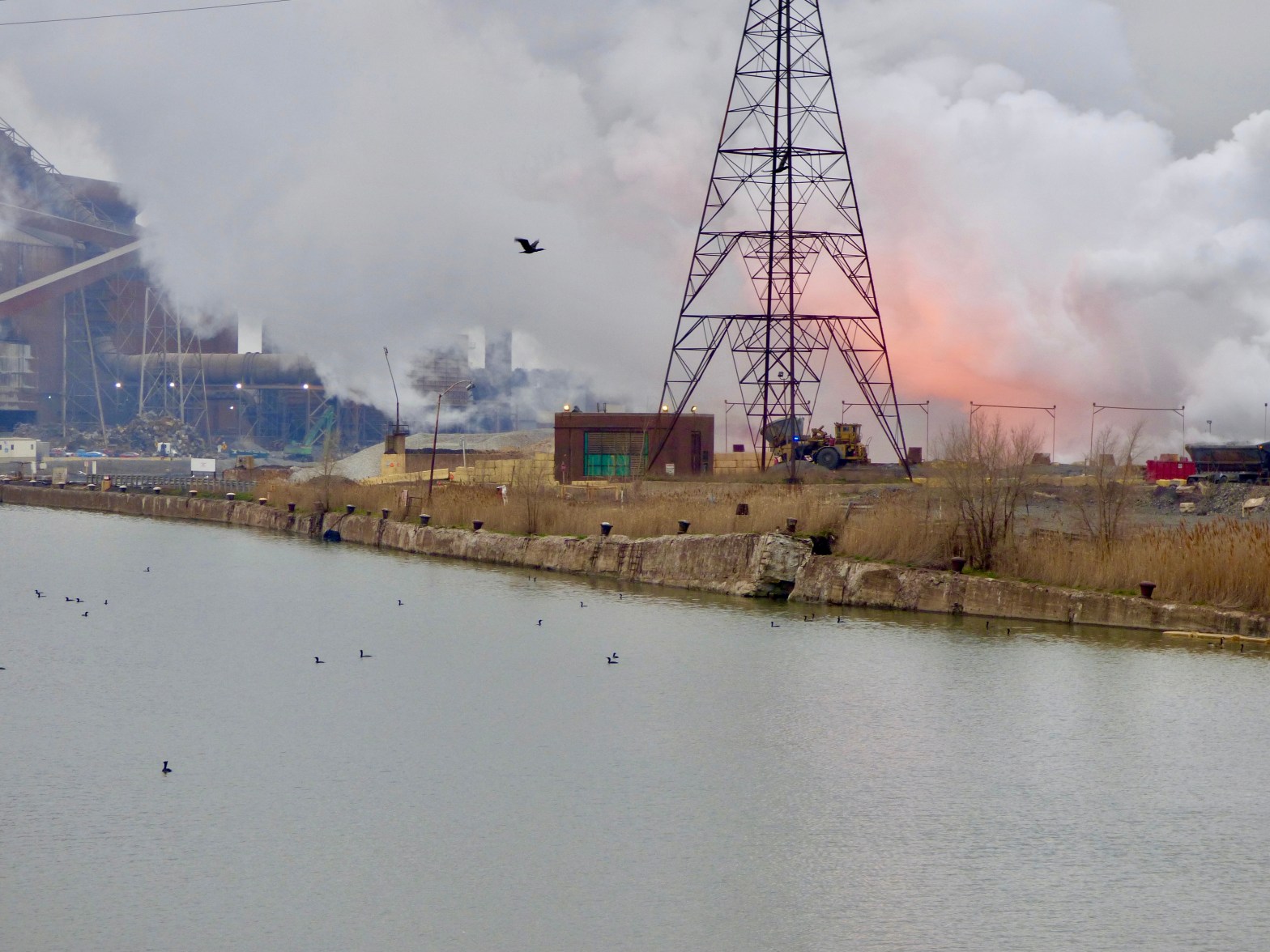
I spend as many mornings in April as I can standing on a 100 year old drawbridge. This street is one of the main thoroughfares in the neighborhood I grew up in. The river below me was once so polluted it caught fire. In front of me, the factory that changed the the world. Behind me, is a refinery that makes fuel for the factory’s product. This heavily industrial area is not exactly pedestrian friendly, this is the motor city after all. There are no accessible sidewalks. There is no public parking, or access to the water. I am almost always catcalled walking in the street. It smells like rotting fish and pollution. In such a harsh landscape, you probably wouldn’t expect to find much life, but there is so much life here.
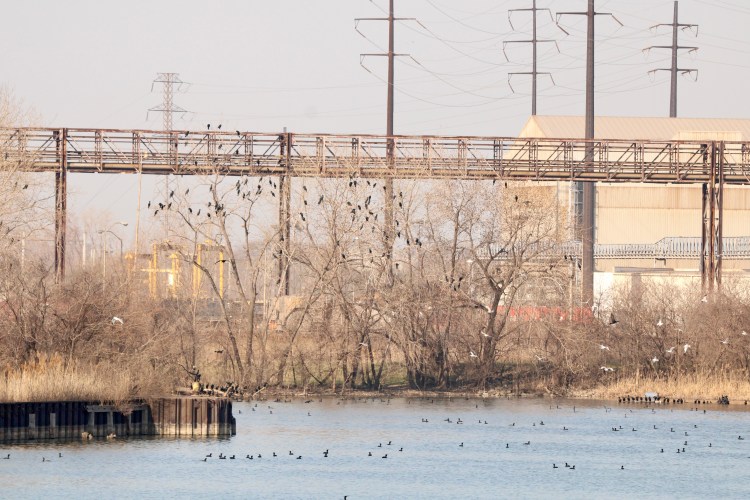
I’m here to witness and observe a large Double Crested Cormorant colony. This river is apparently an important stop on their migration route. I have more questions than answers; how long have they been coming here? Generations? Centuries? Longer? Have they been stopping here my entire life? Just existing alongside me and I never noticed? Have others stopped here on this river to witness this? On this bridge? Does anyone else care? I noticed the Cormorants about 4 years ago, when I was first getting to know the birds. To get a closer look, I have to duck behind giant crude oil storage tanks.
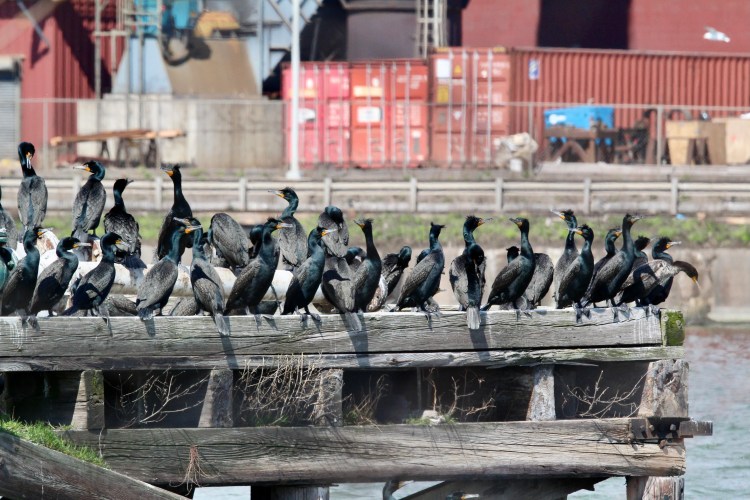
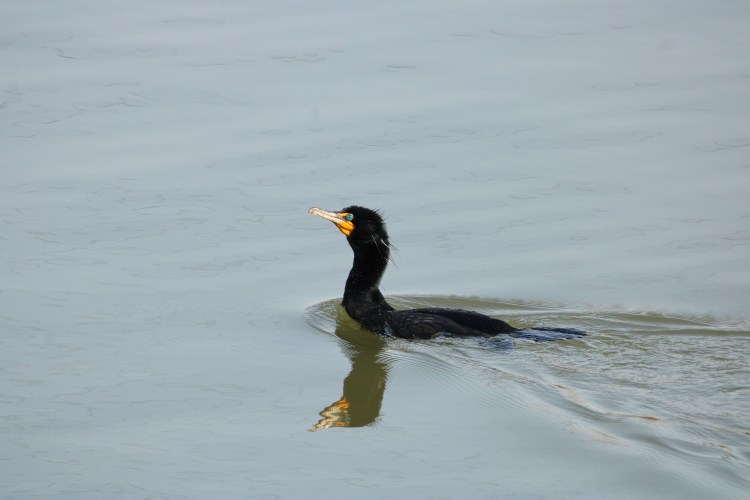
Double Crested Cormorants are large, black, fish eating waterbirds. They have an S shaped neck, and crests that are only visible during their breeding season. If you look closer, you’ll see their jewel-like aquamarine eyes, and a mouth that is bright blue. They’re expert divers, chasing fish and capturing them with their hook like bill. Their populations have rebounded after European settler persecution, and pesticides. Some would even say they’re a conservation success story. They’re now the most common and abundant cormorant in North America. I guess now they exist too much, and their population is being managed to preserve sport fish, as if the fish don’t belong to them.
To some birders, seeing a very common and abundant bird may not be exciting, or worth their time. To me, connecting with nature is also about connecting to place. Next to me, in a dusty sycamore tree, there’s a Song Sparrow singing. He can live almost anywhere in the world he wants to, but he chooses this place over and over again. Does he remember when this was a Beech and Sugar Maple forest? Like the red-winged blackbirds and the goldfinches that are also here? Like the wood duck that instinctively follows a now buried creek to find water? The Kestrel and the Grackle? The Swallows that will arrive here in a few more weeks? Is this place in their DNA? Or are they like the Mockingbird, who has only recently arrived, looking for a more suitable piece of land to live on?
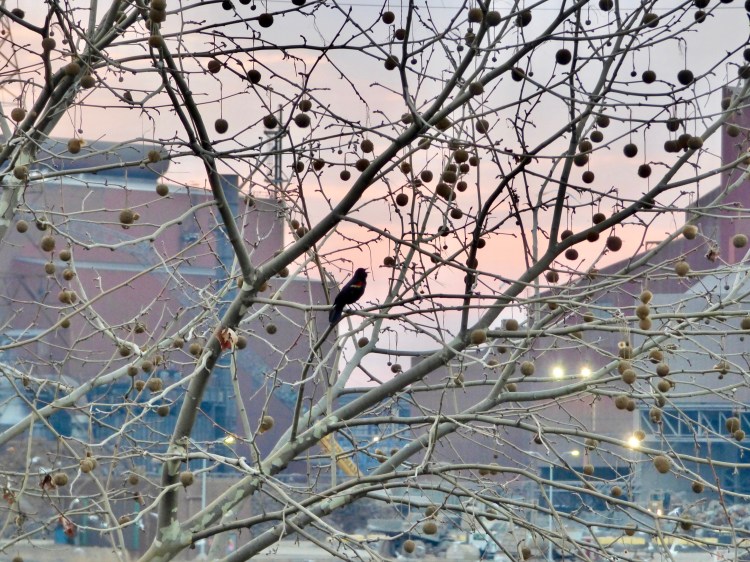
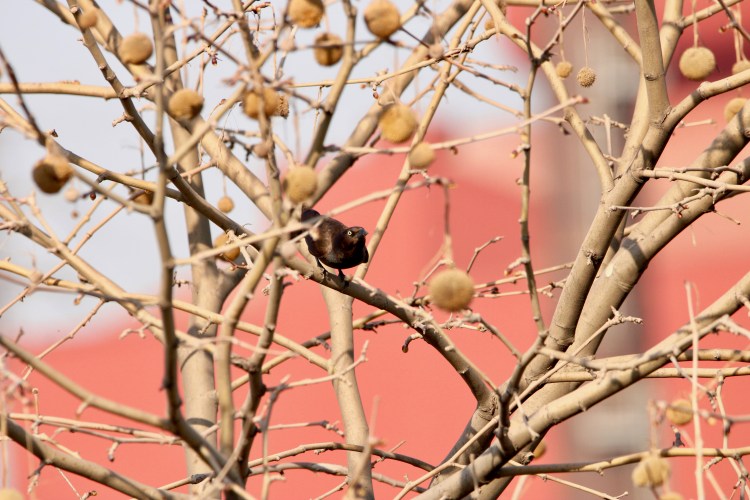
Between the factory, and the refinery, there’s a neighborhood. Most of the residents have been displaced and relocated by the refinery. But the birds are still there.

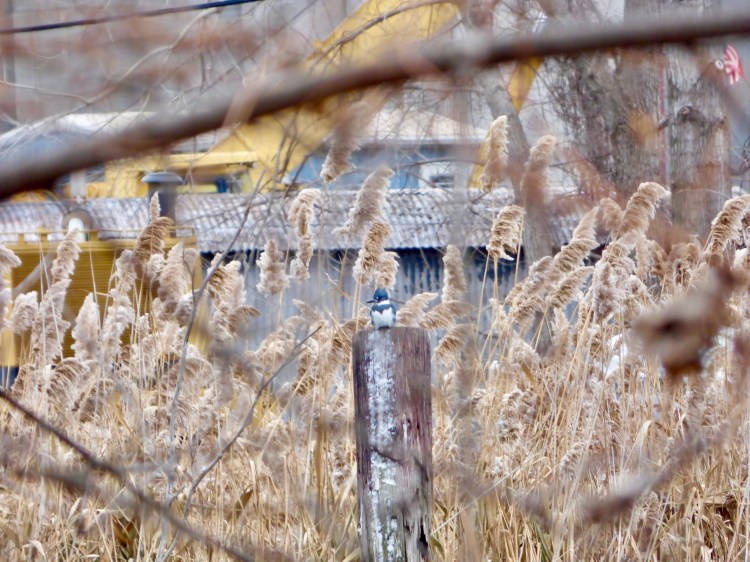
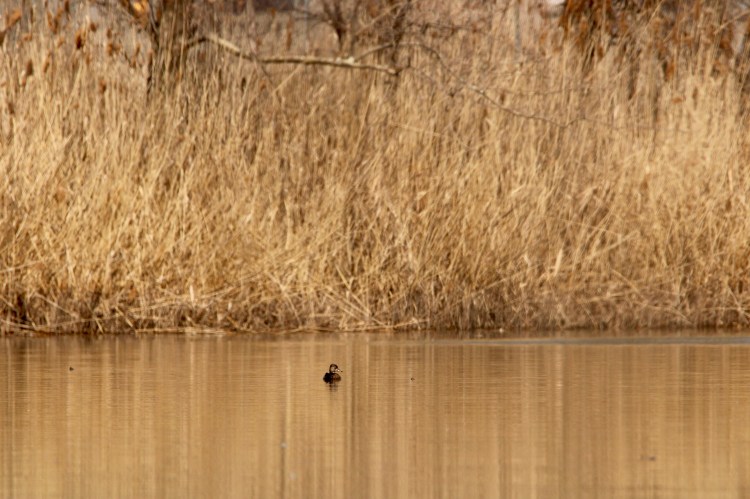
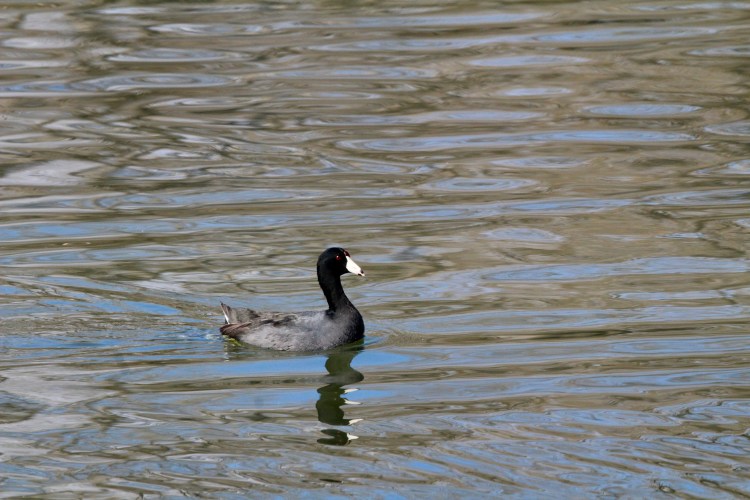
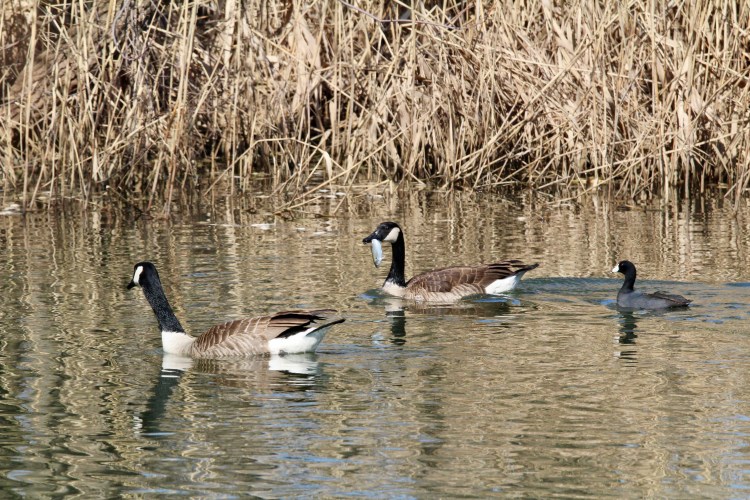
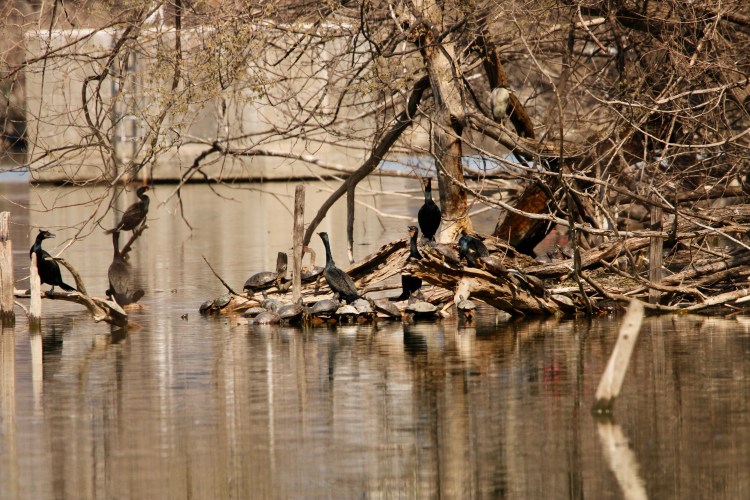

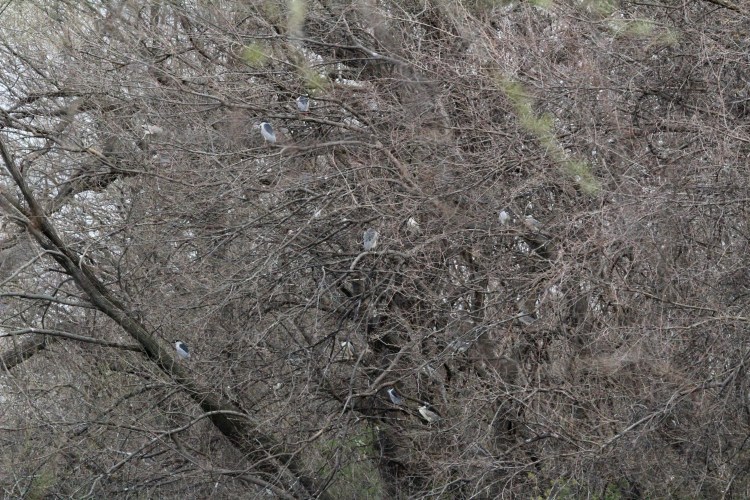
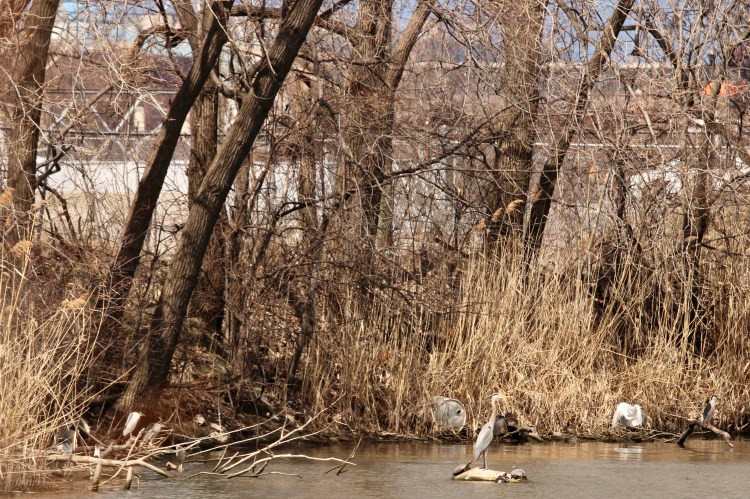

I love the “rose that grew from the concrete” narrative. I love showing life thriving where it shouldn’t be able to. Nature always finds a way, but imagine what would be possible if we didn’t make it so hard.
 feraldetroit.com
Thank you for your beautiful thoughts and photos, capturing beauty and nature in unexpected places.
LikeLike