“The loss you don’t know about is no less a loss, but costs you nothing and so it causes you no pain.”
Margaret Renkl
“I remind myself sternly to attend to what is not dying, to focus as much on the exquisite beauties of this earth as on its staggering losses. Life is not at all a long process, and it would be wrong to spend my remaining days in ceaseless grief.”
Margaret Renkl
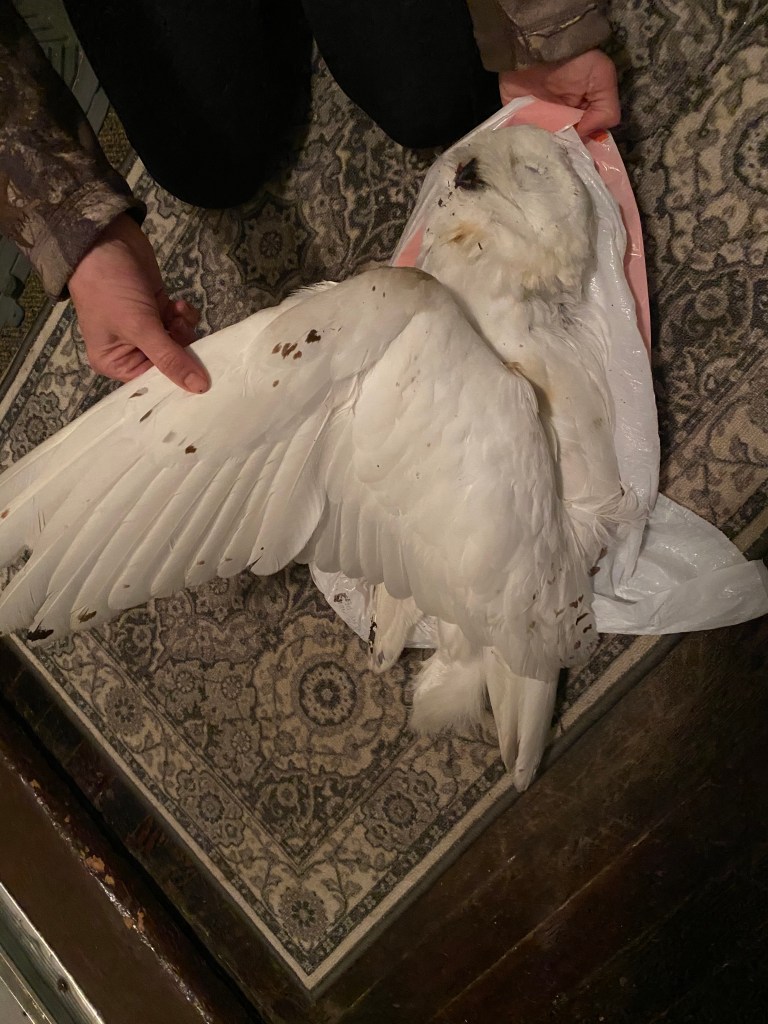
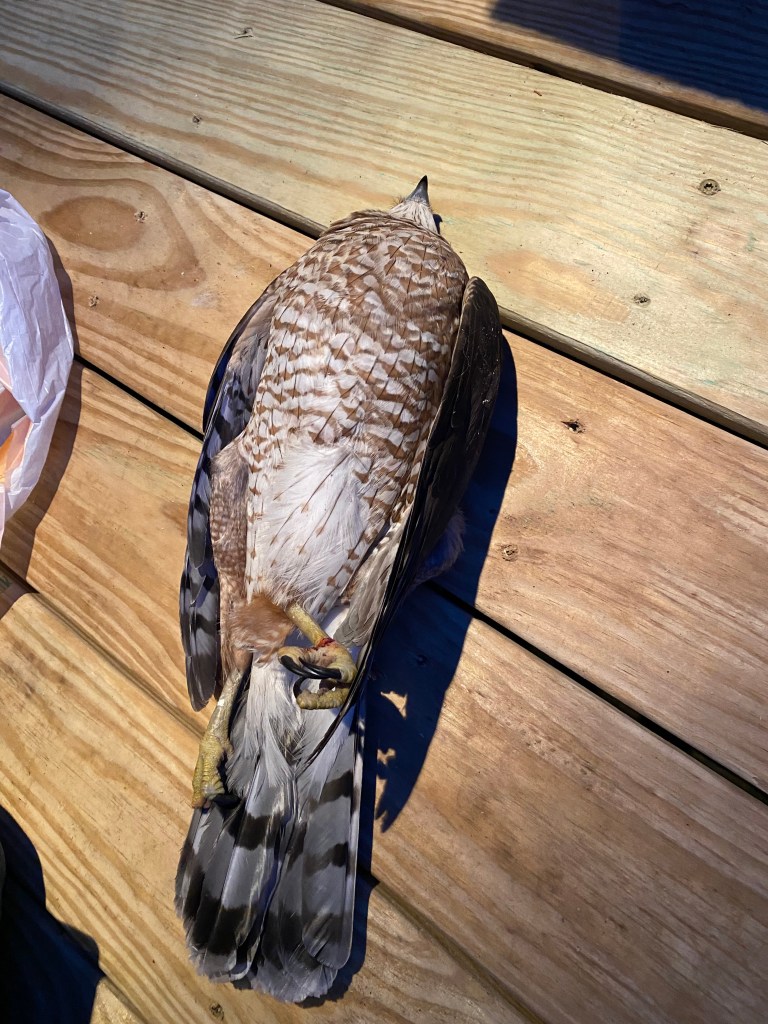
WARNING: PHOTOS OF DEAD BIRDS AHEAD
Birds today are facing many threats, including habitat loss, climate chaos, and predation. One of their main obstacles is navigating our built environments.
A Snowy Owl that died in Hamtramck after being electrocutedCooper’s Hawk that died after flying into a window
For many of us living in these environments, it is easy to be disconnected from the natural world. For most of my life I did not even think about “nature.” It was separate from me, some other place I could go visit, or not. My attention has since shifted and I spend a great deal of time observing urban wildlife. This practice of witnessing has taught me that not only are we connected, but in competition for the same resources. We all need access to food, water, shelter and space to live. It is no coincidence that many major cities share a defining feature, Rivers. Our River is so vital it gave the city it’s names-Detroit, or “strait” in French and before that, Waawiyaatanong by the Anishinaabek peoples, or “where the curved shores meet.” Situated on two migration flyways, the Atlantic and the Mississippi, the Detroit River and its namesake city is important habitat for migrating birds. Every Spring and Fall, there are Rivers of Birds flying above us, whether we notice them or not. Bird migration is such an event that it can even be seen on weather radars.
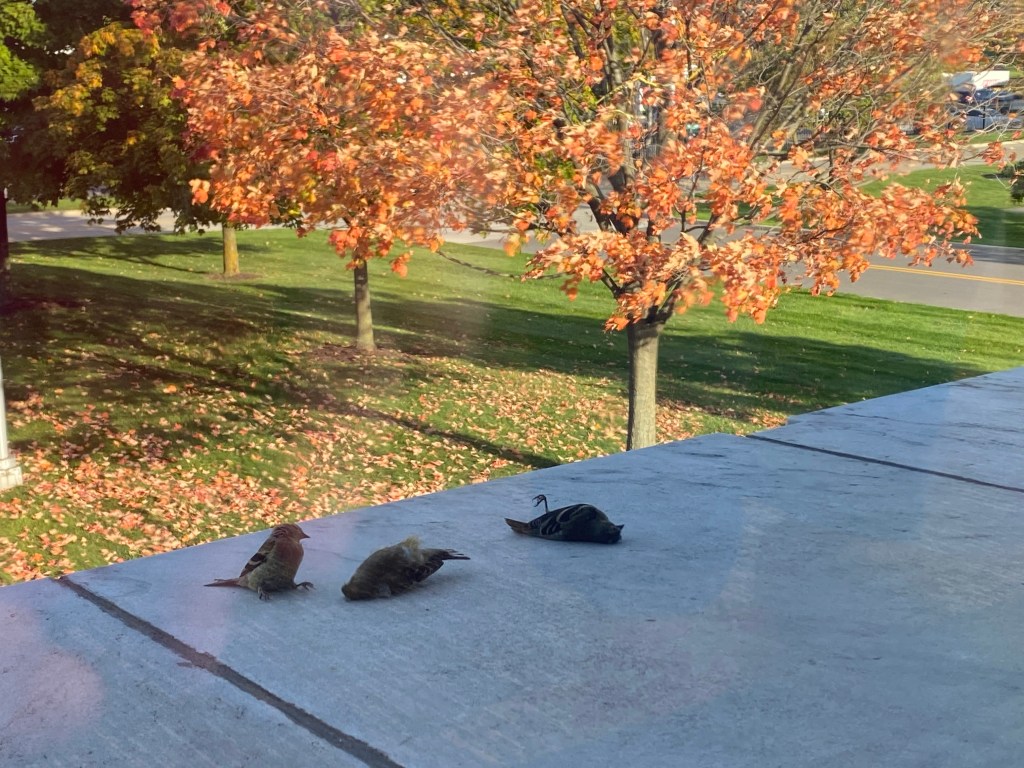
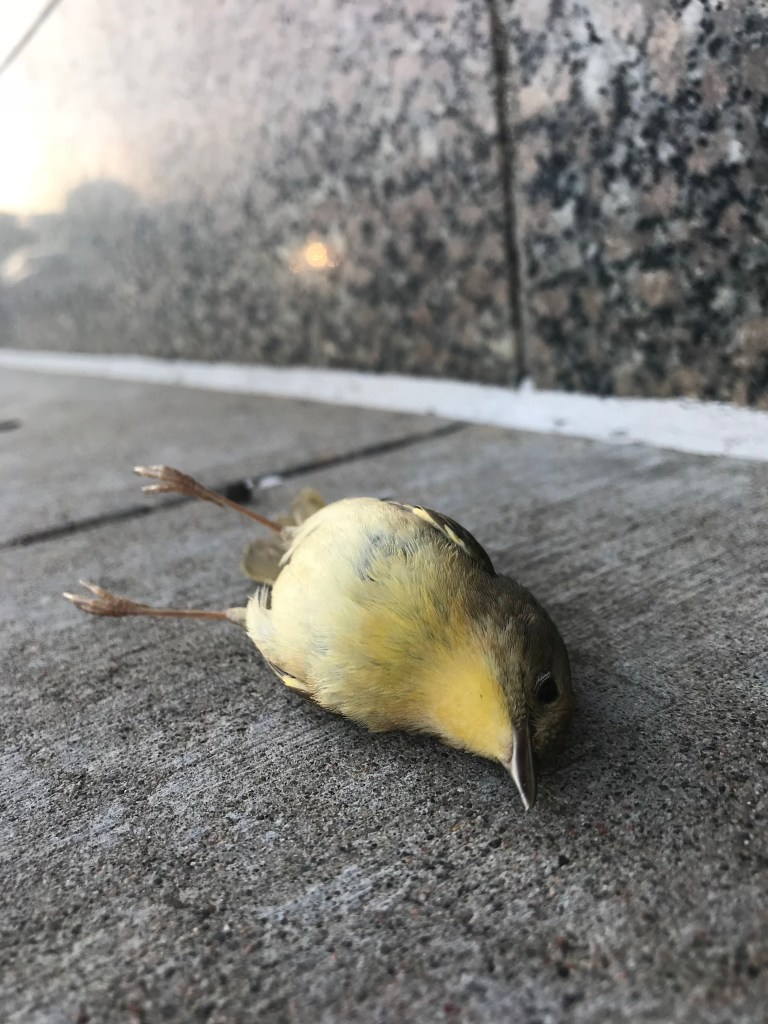
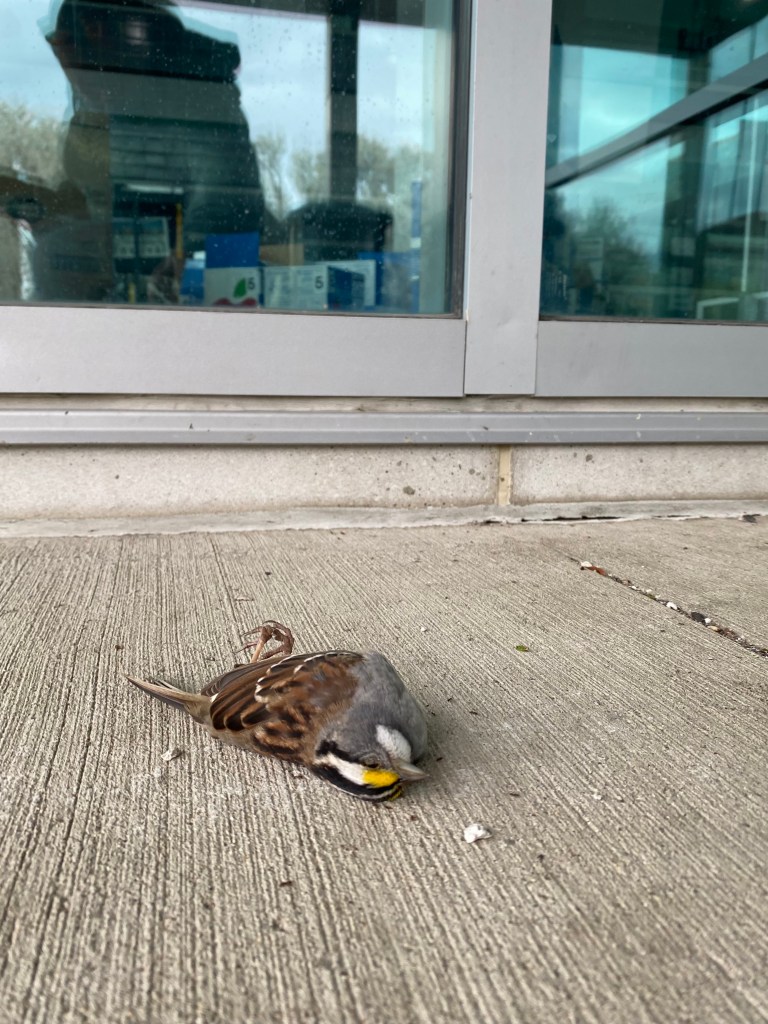
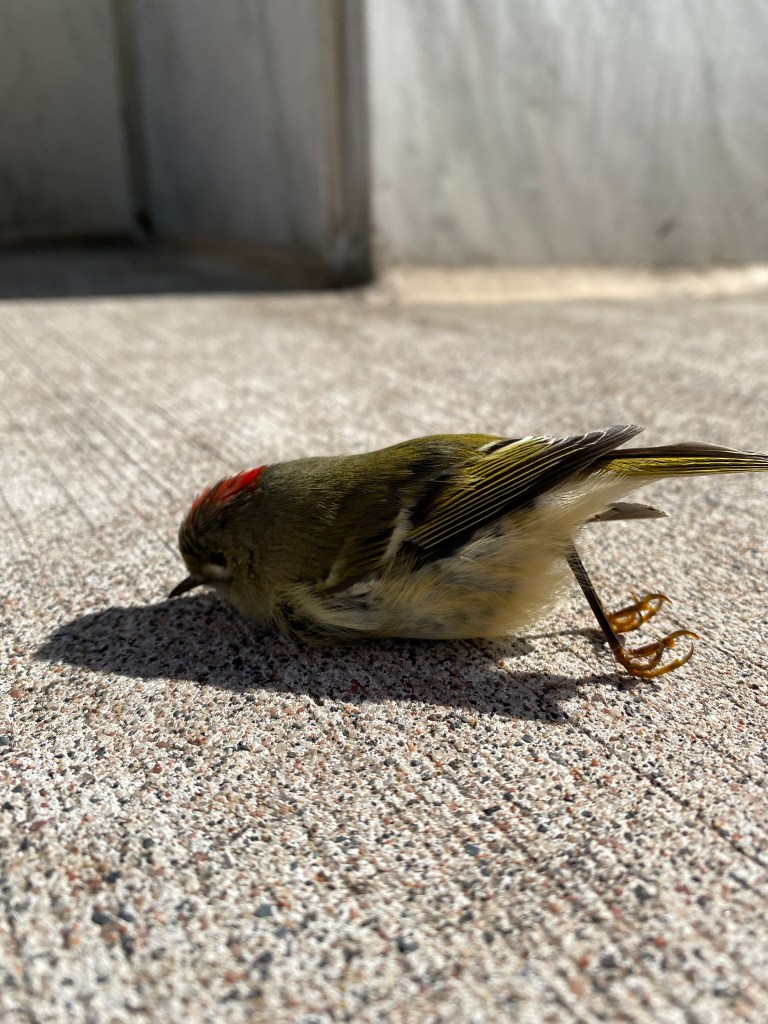
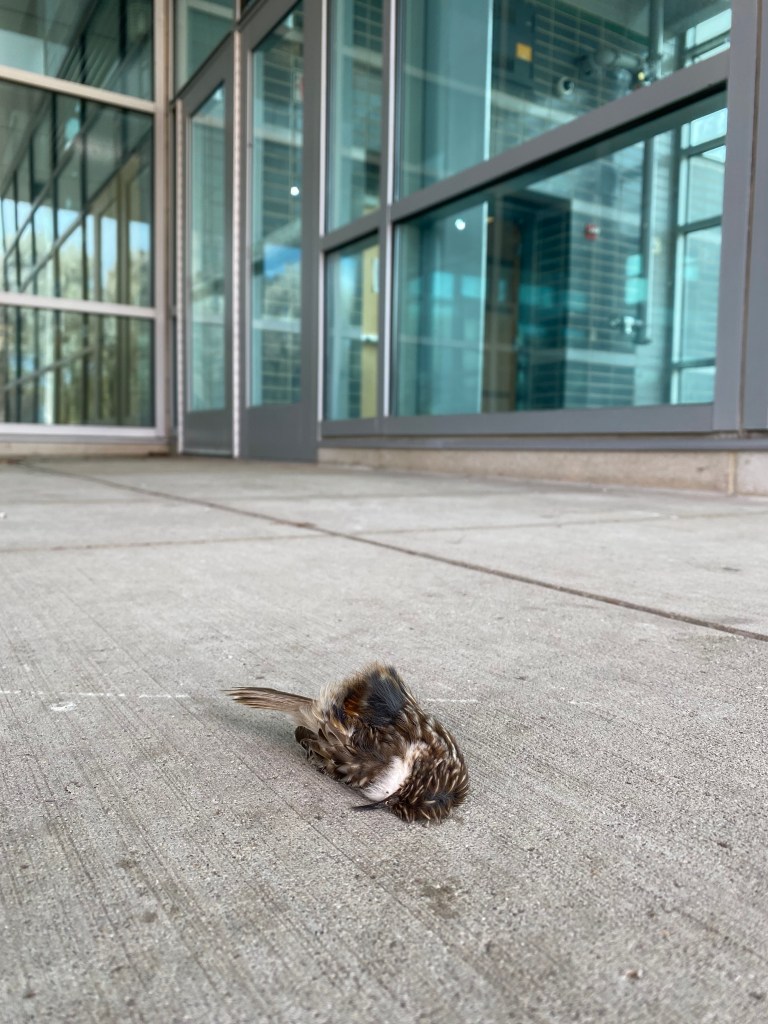
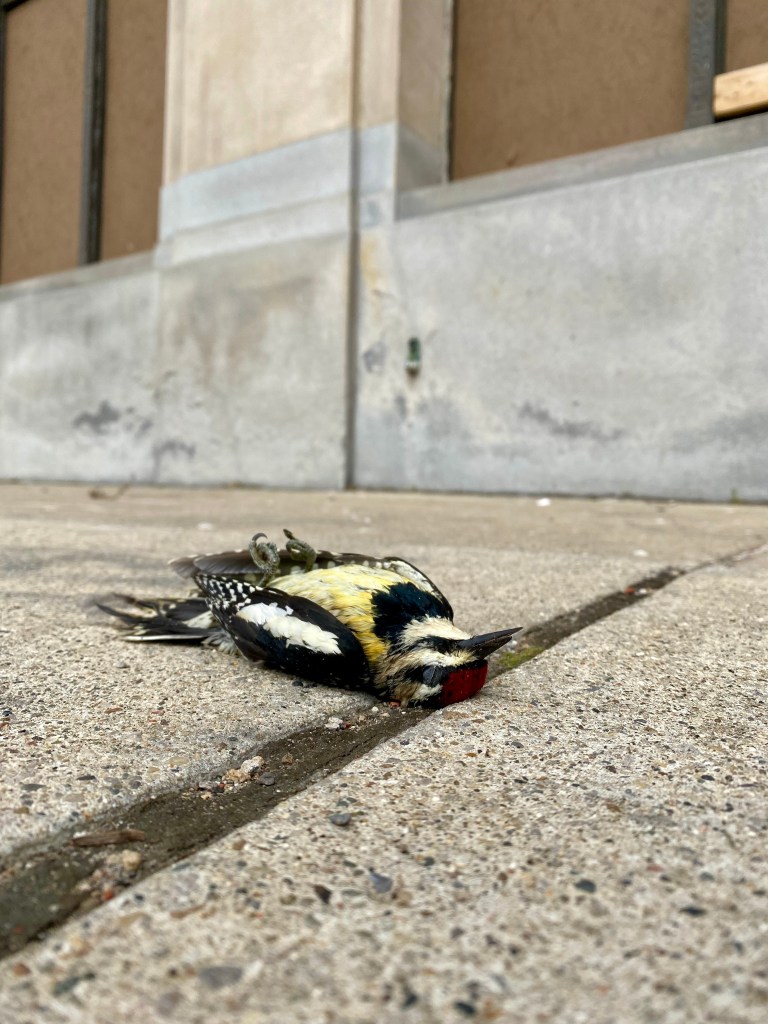
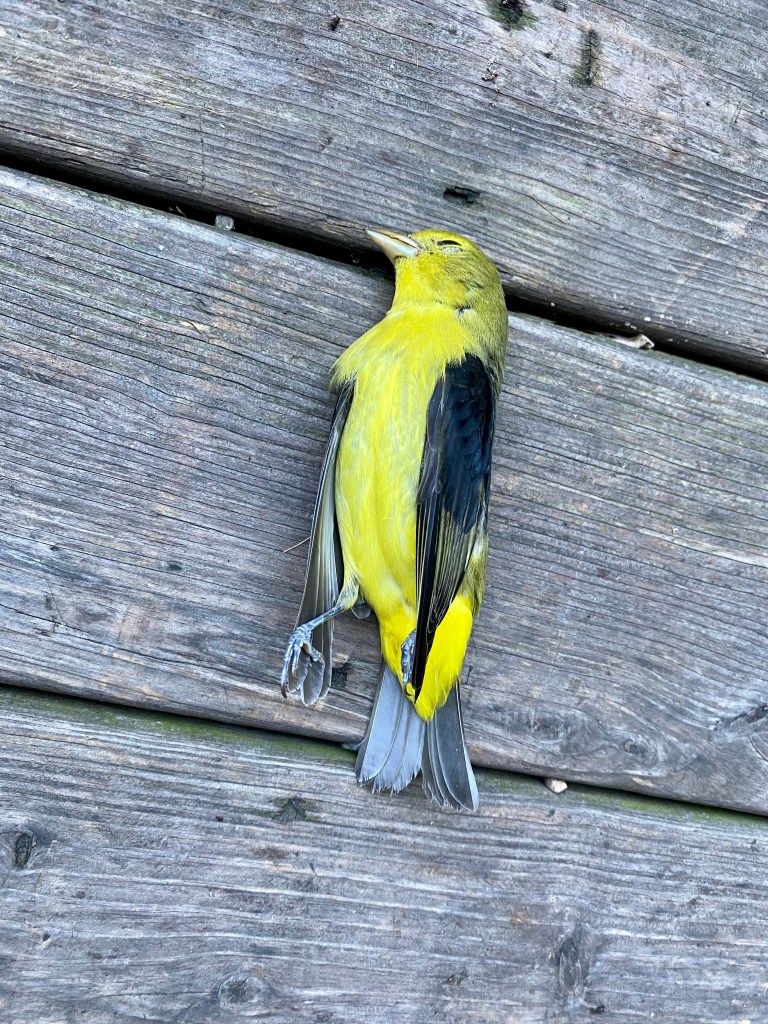
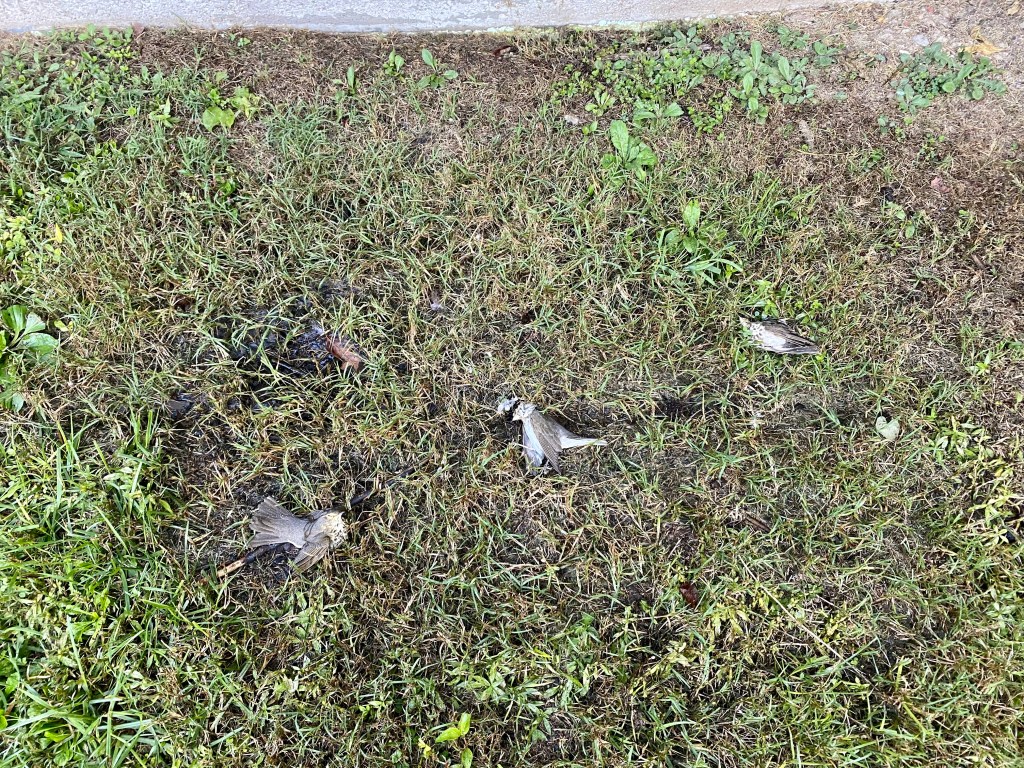
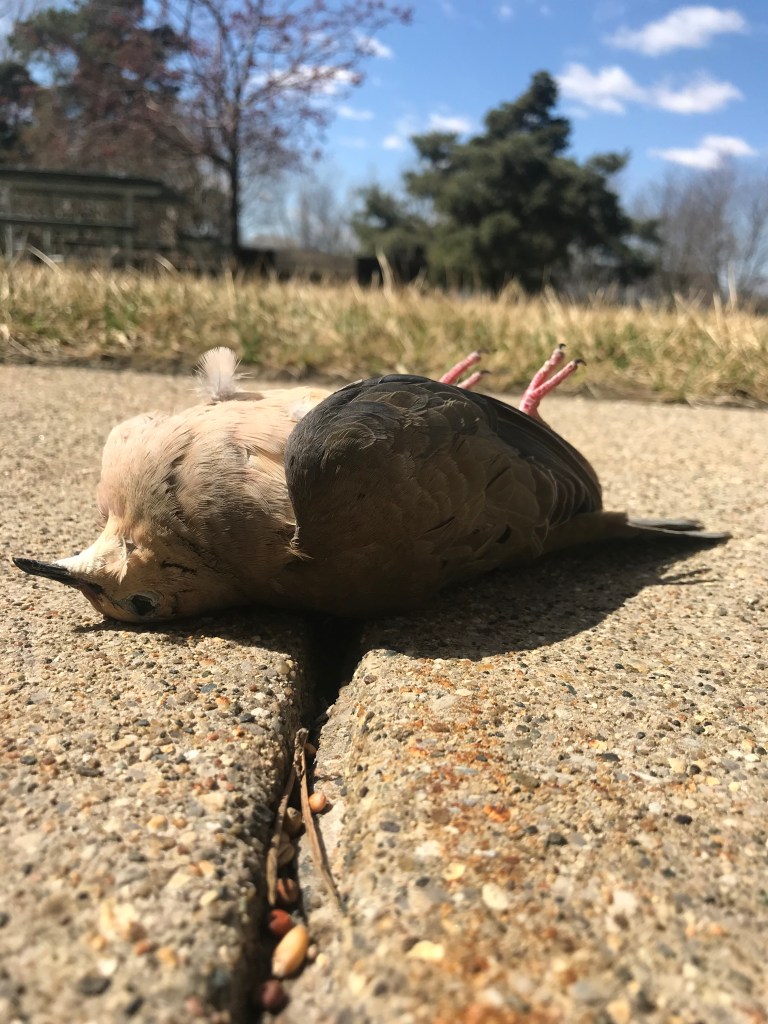
Migration is very difficult for birds though, and up to a third won’t complete their journey. Some will die of natural causes, weather or predation. But, many will die unnatural deaths too. It’s estimated that up to 1 BILLION birds die each year after colliding with windows. Most birds migrate at night, and artificial light can cause confusion for them. They also collide with glass and windows during the day, when habitat is reflected like a mirror and they fly right into them.
3 young Goldfinches that died simultaneously after flying into a window
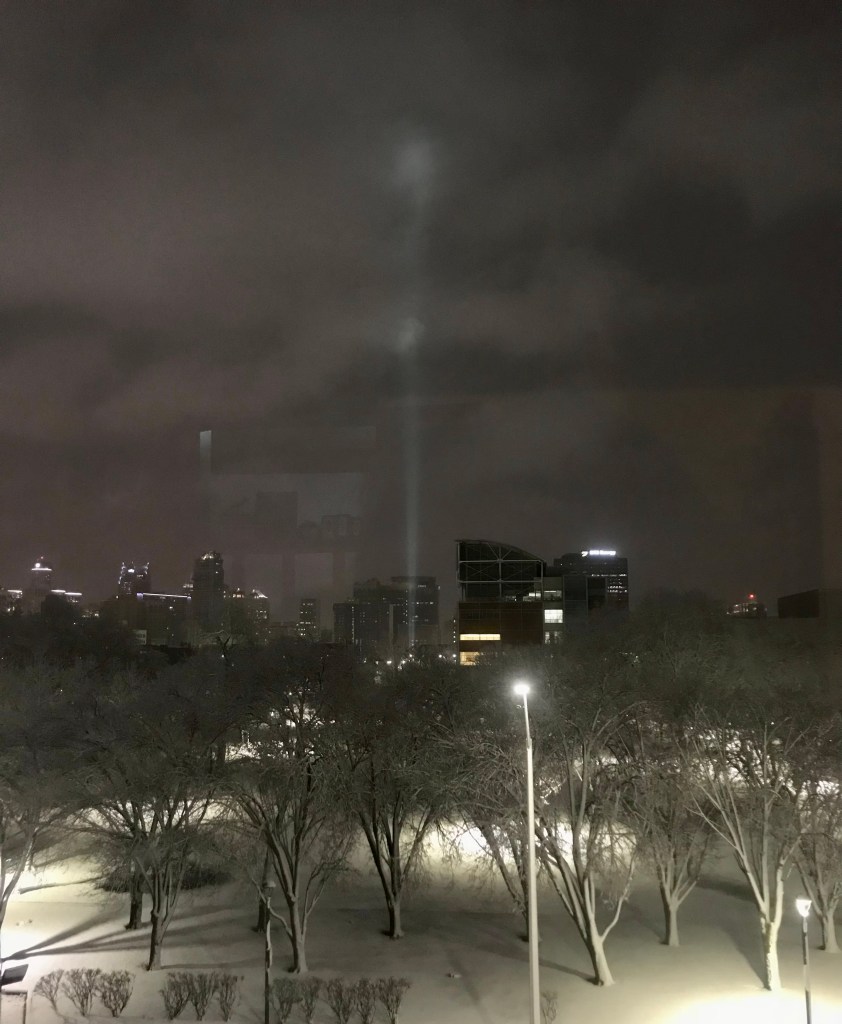
When I first started birding, I read an article about birds being trapped in the 9/11 Memorial light in New York, and the efforts to save them. In 2017, Beacon Park (developed by DTE Energy) installed a similar light beam, smaller, but permanent. Seeing this light beam out my window every night, I wondered if it had a similar affect on birds here.
After some googling, I decided to reach out to our local Audubon chapter. Beacon Park was not on their agenda, but they suggested I volunteer for their Safe Passage Program anyway. I honestly never knew window collisions were an issue until then. Volunteers would walk a specific route, collect data, and collect the birds’ bodies for the Biology department at Wayne State University. While we collected data, the Audubon Society was working to convince the University to make its buildings more safe for birds.
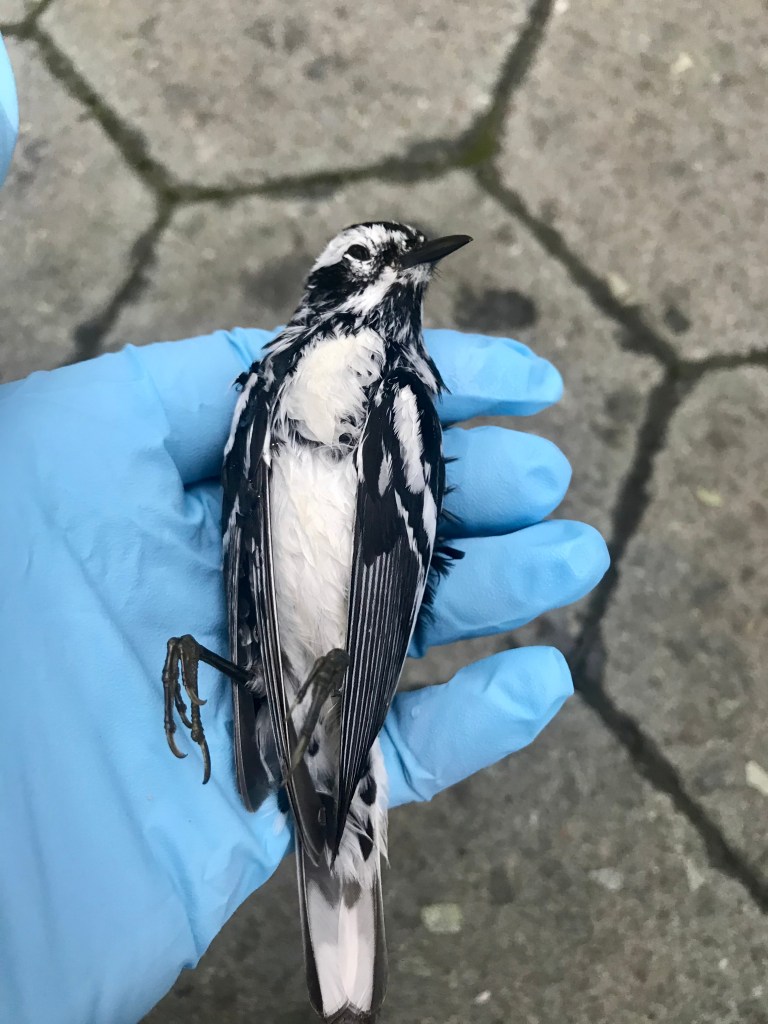
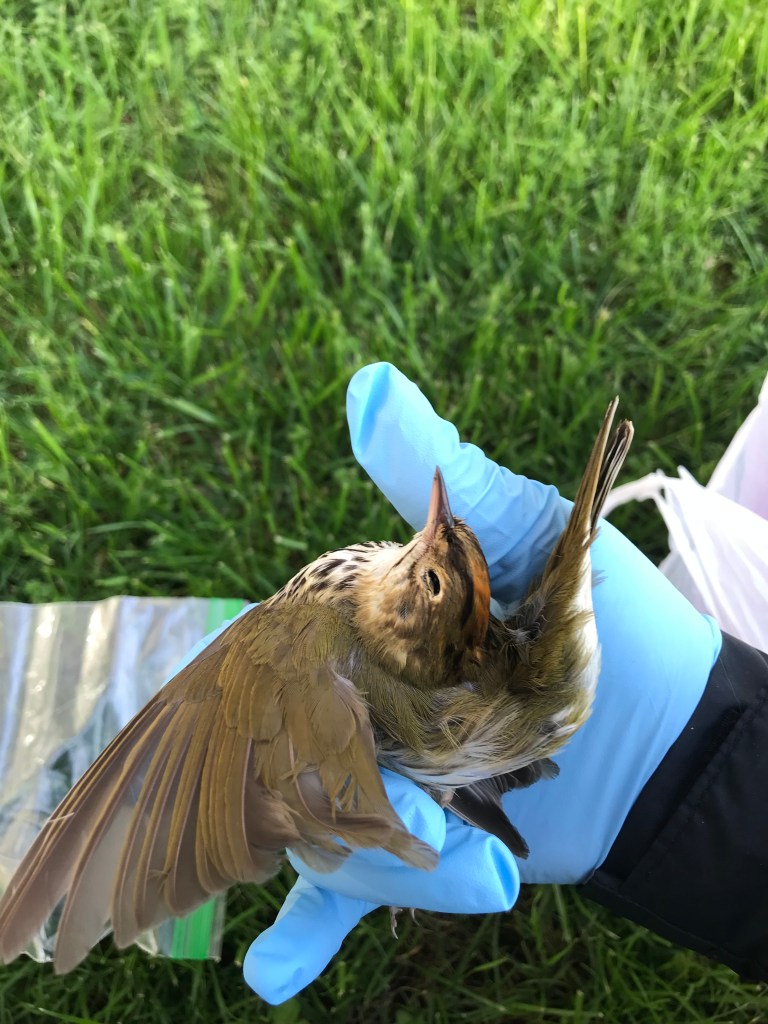
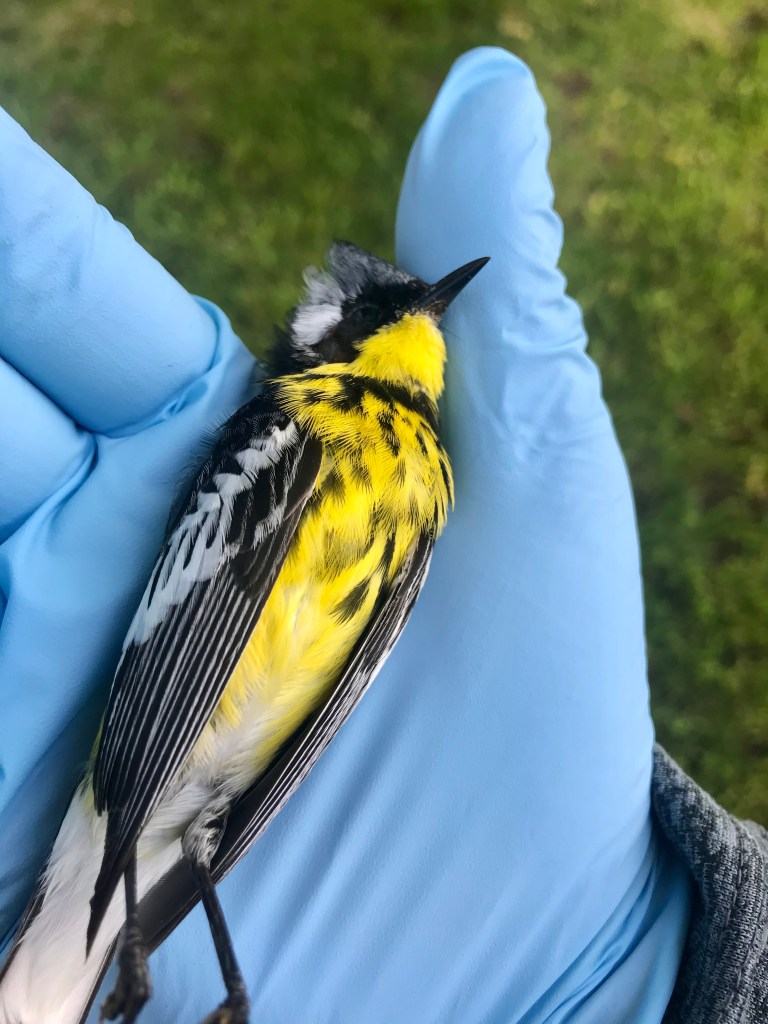
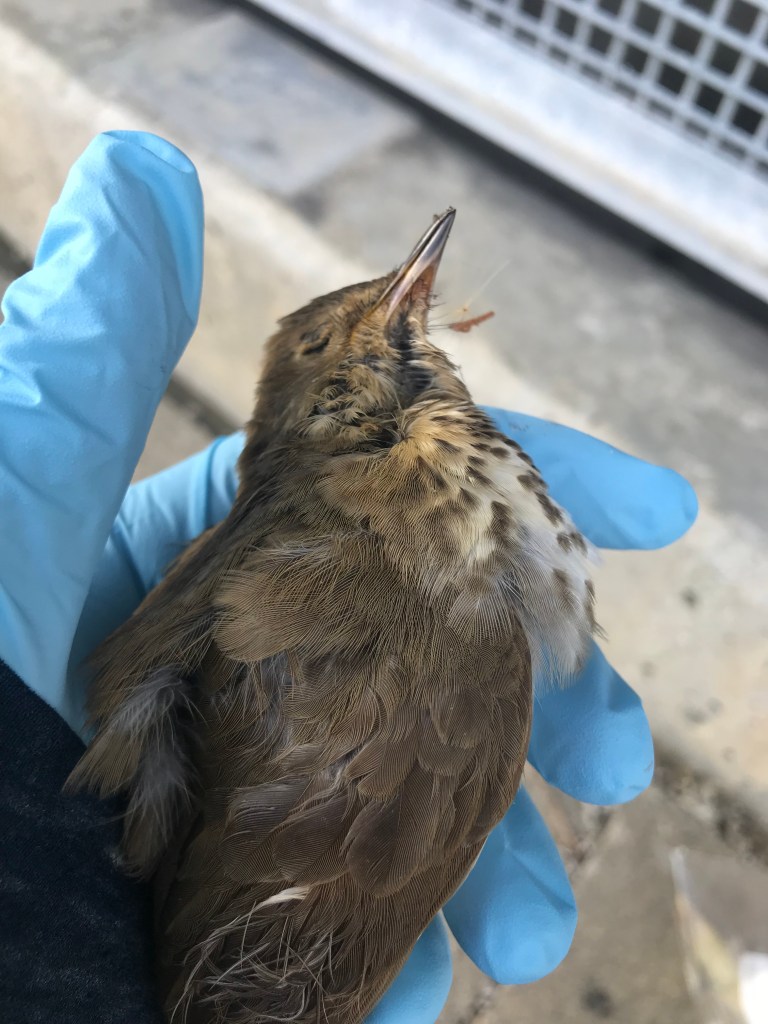
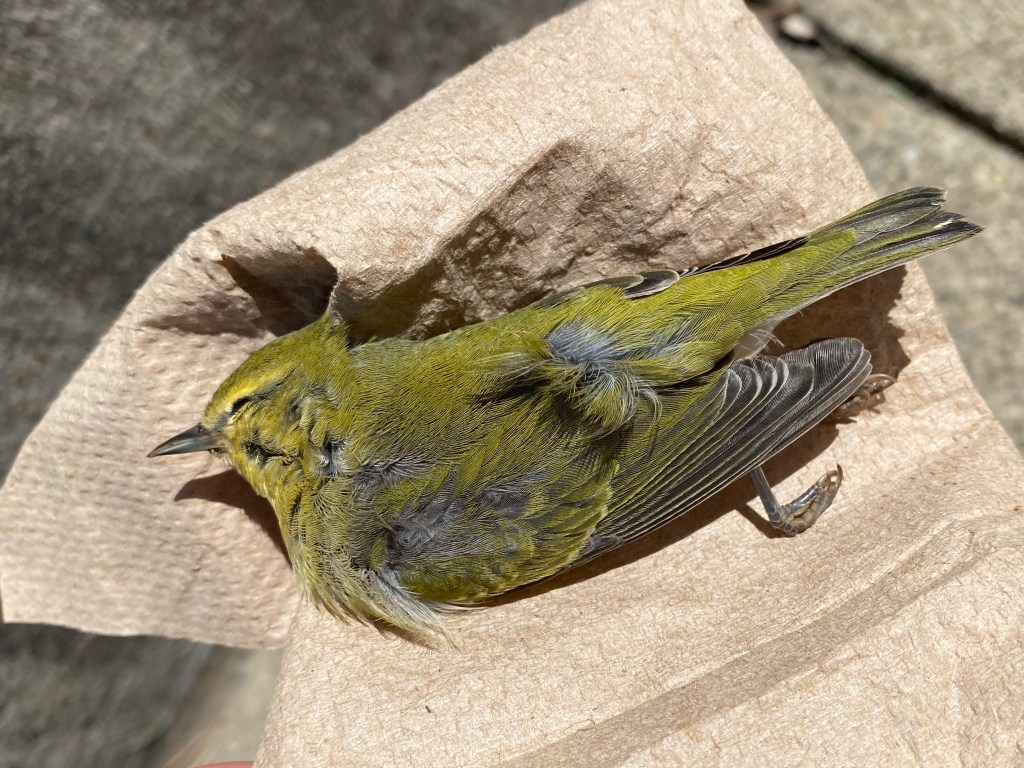
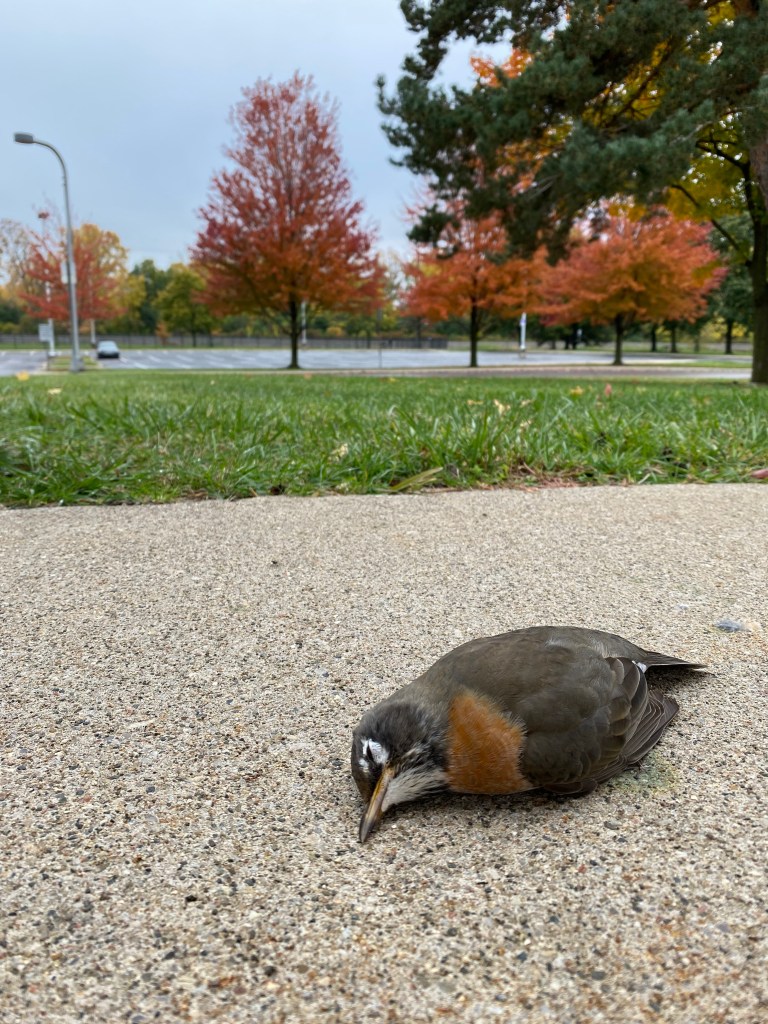
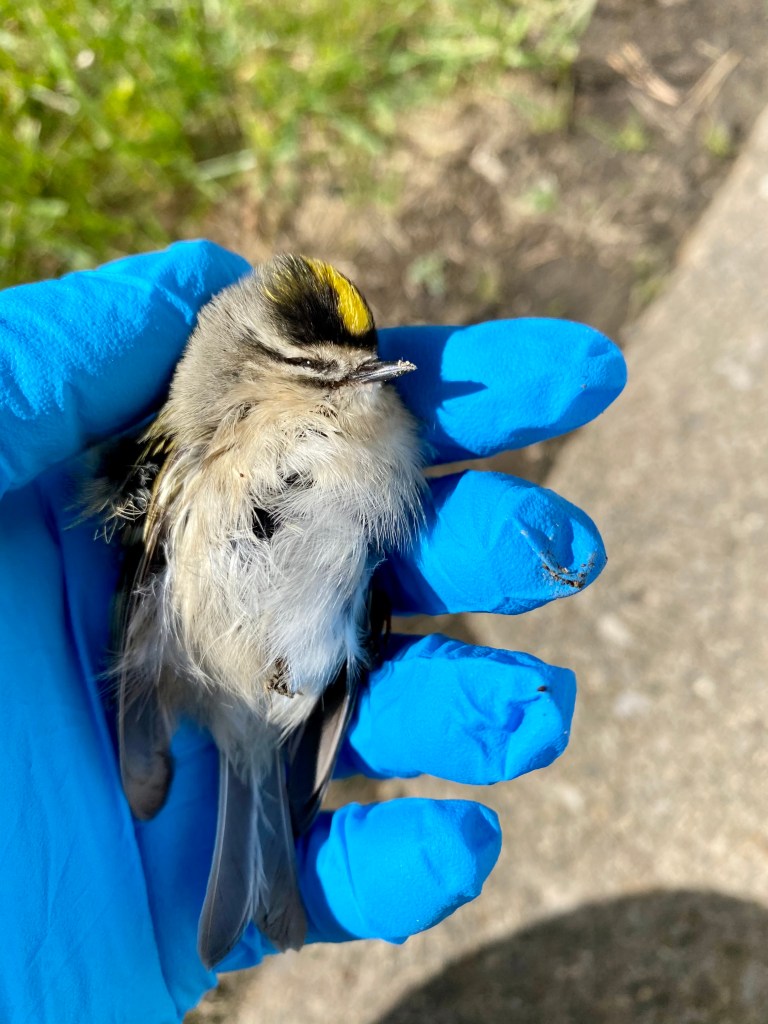
Black and White WarblerOvenbirdMagnolia WarblerMystery ThrushCommon Yellowthroat
Disheartened after 3 years of collecting data, I no longer volunteer. As far as I know, no buildings on the route I walked have been made bird safe yet. My eyes had been opened to window collisions though, and I started noticing them everywhere. I saw window strike victims on walks around my neighborhood, birds dead after crashing into public schools, government buildings, a hotel.
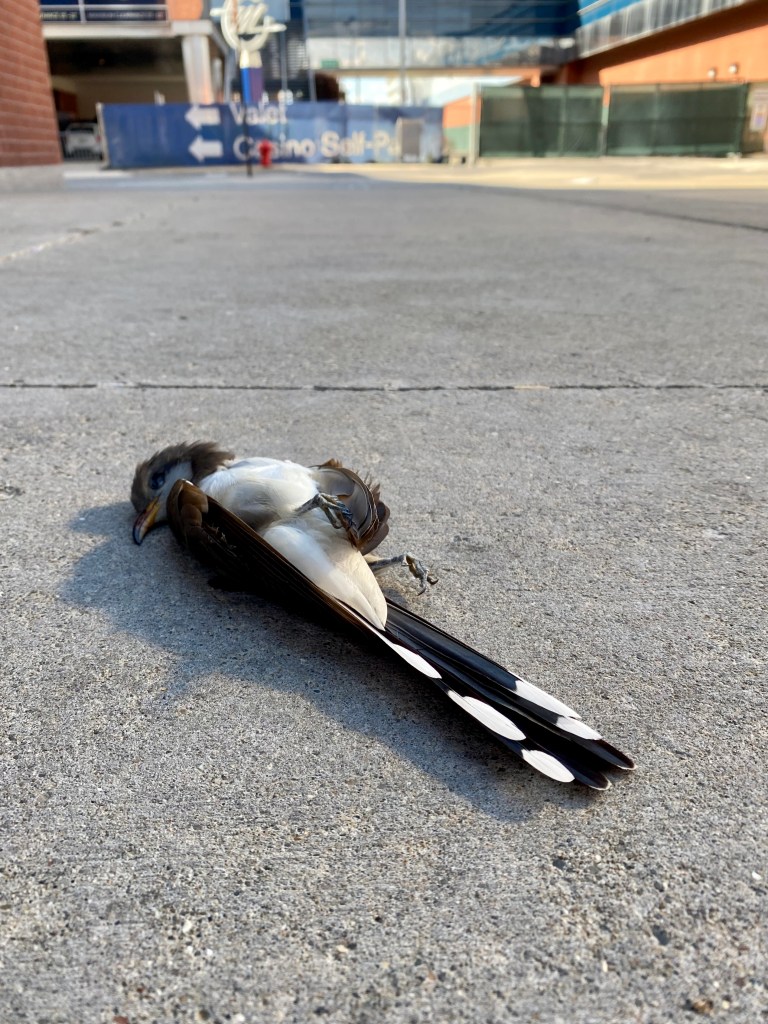
I have held birds dead that I’ve never or rarely seen alive, birds that flew all the way to South America and back, just to die here, after crashing into a Casino.
Cuckoo
They feel almost weightless in your hand, somehow still fragile. To love nature, especially urban nature can feel like being in a constant state of loss. What do you do with the knowledge that just by existing in this world you’re contributing to the death of everything else?
I am out of my element here. I am not an expert. I don’t know how much I can change. I’m not an activist, a leader, I’m not well connected, I don’t have a solution, or know how to make things change. But I do know that I can’t look away. I can raise awareness, try to make people care. I can teach what I’ve already learned, and guide others to resources I’m familiar with. Collectively maybe we can find a way to make some change.
This is a large scale problem, but we can make some changes on a personal level. Over half of all window strike deaths are attributed to home windows. We can make our own homes more safe for birds.
Have you found a dead bird in the past and thought it was a random incident? Birds fly into windows because habitat is being reflected. Some windows will be more problematic than others. Simply not having feeders and water sources near windows can make a difference. The fix could be as simple as putting up a screen or decals to break up the reflection. Do a little research and take regular walks around your home to assess which windows are a problem. There are a number of products available on the market for problematic windows.
Another thing we can do is document and collect data. There are a number of projects using citizen science to try to tackle this issue.
Last year, a local journalist contacted me while working on an article about bird window collisions. They were able to pull the data from one of these sites and use it as a source for their article. One of the questions they asked me was why all the strikes seemed to happen in one area. In fact, the strikes are happening everywhere but we were only able to collect data in one area. Imagine how much more effective the press could have been if more data were available. Now, I upload every window strike victim I find to several websites.
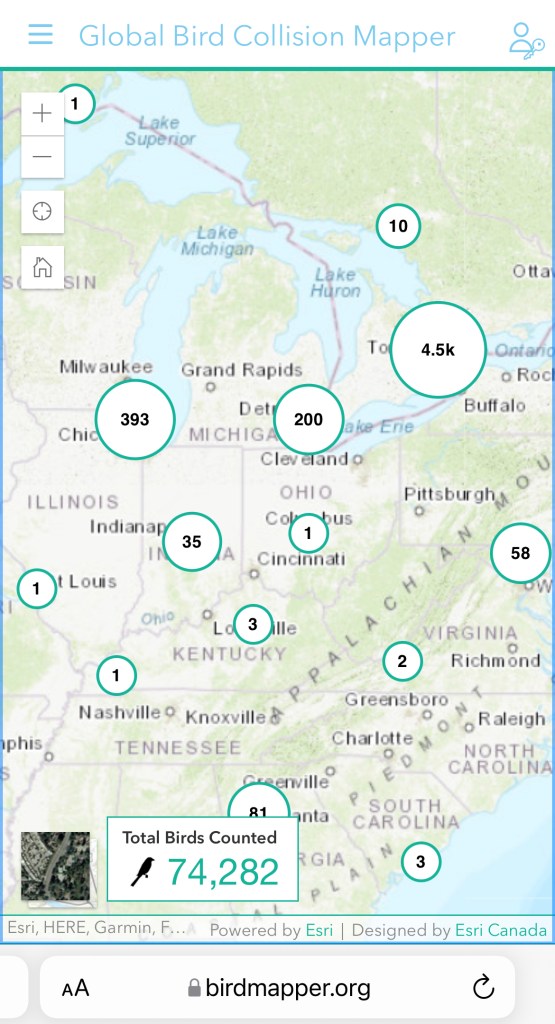
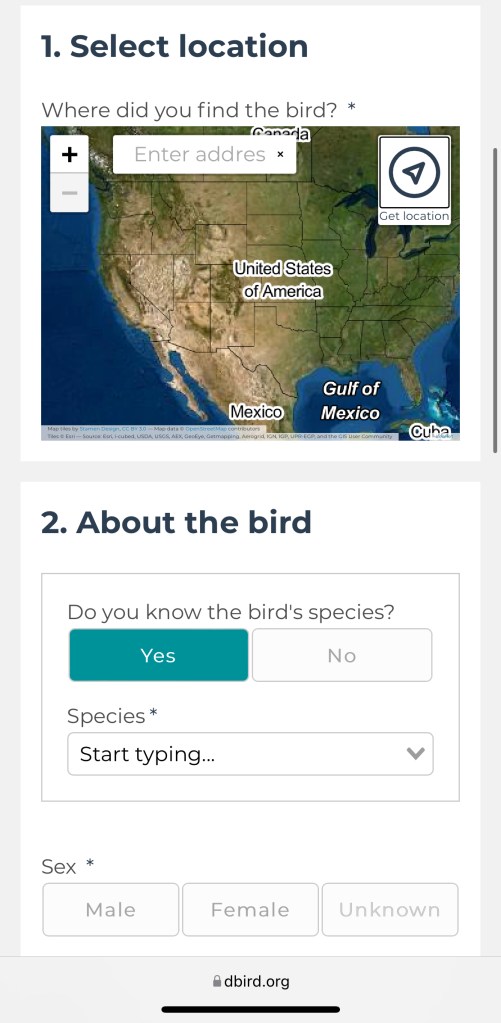
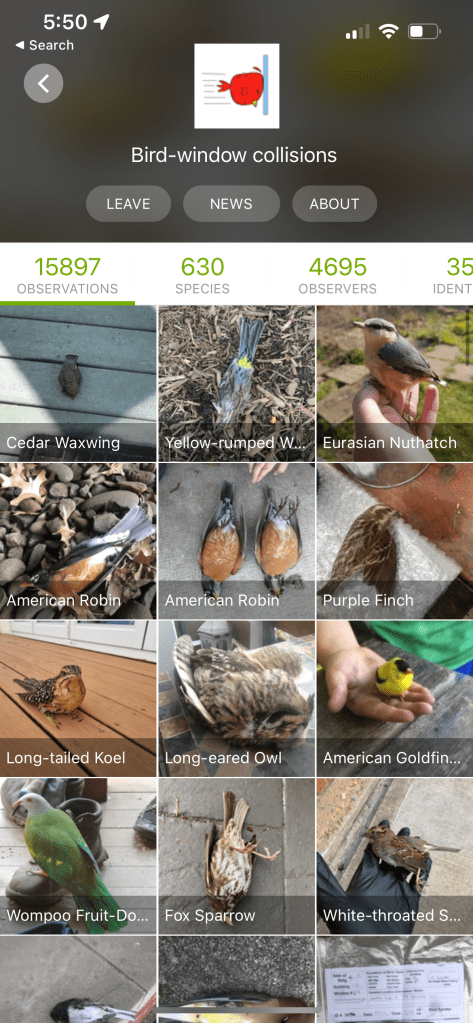
The first site I use is Birdmapper.org and is used by many organizations. A similar site that I also use is Dbird, which is similar to eBird. iNaturalist is very popular, and scientists are pulling from this citizen scientist data more regularly, so I upload it there under a Window Collision project as well.
If you use regular routes in your daily life, start surveying them for dead birds. The data will be most useful if it is consistent rather than sporadic. It is very important to know that you cannot and should not handle dead birds. It’s illegal to possess them without a permit, and diseases such as bird flu can be spread to us from birds. Sometimes I move them from the sidewalk to grass, but if you do this please wear gloves and wash your hands immediately after.
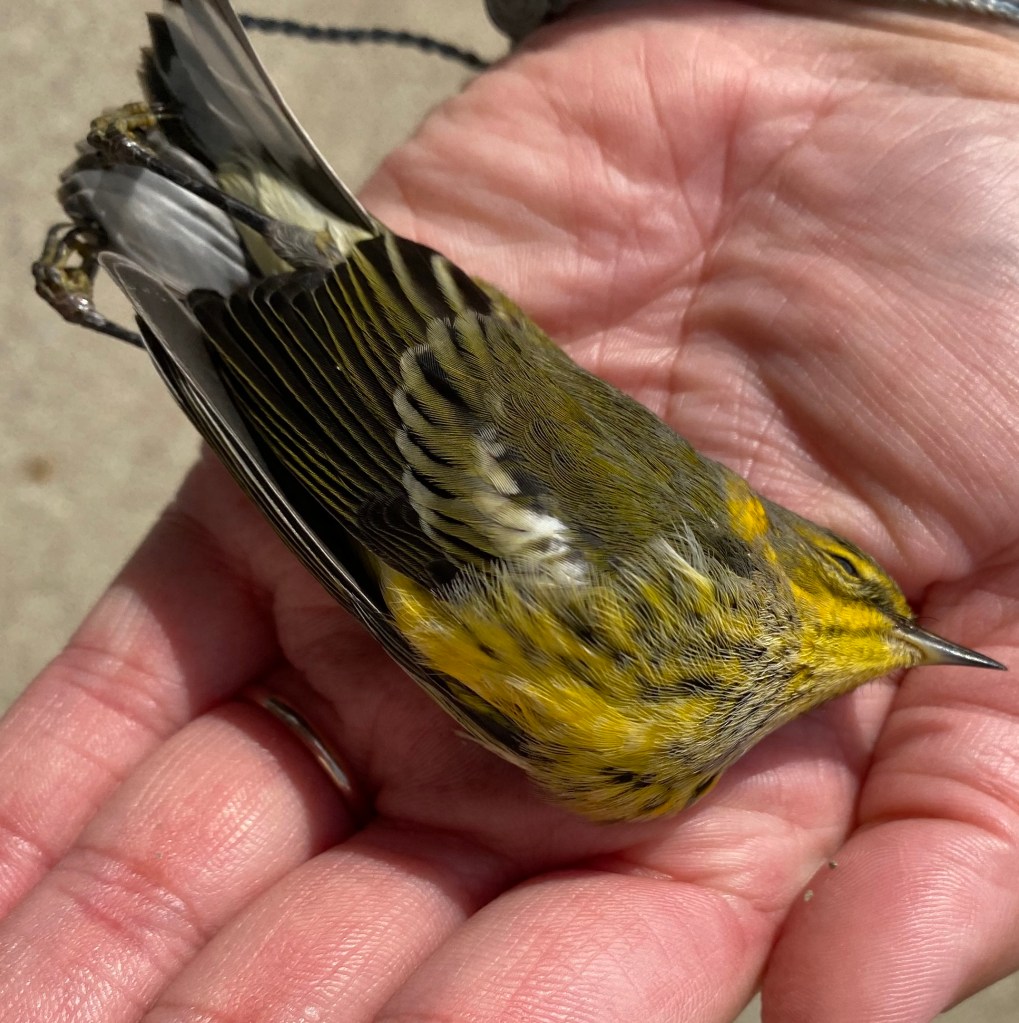
Cape May Warbler
Another thing we can do is try to make change in our workplaces. I’ve helped coworkers and family members document and write letters to leaders in their organizations outlining the problem and asking for a solution. Who doesn’t want to work for organizations whose values align to their own? I wish I could say we were successful, but at least we tried.
My last recommendation is one I have no experience with, but I’m planning to start today. Several major cities have recently passed or proposed local laws to ensure future buildings are safer for birds. Toronto was the first major North American city to require all new construction to be bird safe. New York City has a similar law passed in 2020. This year, in Washington DC, a similar law was proposed by their city council. I plan to contact my Detroit city council person today, and urge you to contact yours.
I also have to tell you the number one killer of birds is domestic cats. Cats kill billions of birds each year.
Please, keep your cats inside to help save birds.
If you find an injured bird, please contact a licensed rehabber immediately. Around here, that ‘s pretty much only Bird Center of Michigan, who does amazing work and Howell Nature Center. I love you all but please do not contact me, I can’t help.
If you have any other suggestions or if I’ve missed something, please leave a comment. There is a full page flyer available for easier reference available here. If you want to support my work please consider joining my Patreon.
“For them, the song of the power shovel came near being an elegy. The high priests of progress knew nothing of cranes, and cared less. What is a species more or less among engineers? What good is an undrained marsh anyhow?”
Aldo Leopold-A San County Almac
Without the beaver, there would be no Detroit as we know it today. The French settled this area as a fur trading post. But, this has always been beaver country. The Indigenous Anishnaabe people called them amik, long before the French arrived. Detroit today, is better known as the motor city. These two things, European settlement and industry, led to the absence of the beaver here for an estimated 150 years.
These histories collided again, when the beaver returned to the Detroit River in 2008. They were first spotted on the grounds of the Conners Creek Power Plant. It was the perfect unintentional wildlife refuge: 66 acres, fenced in, multiple access points to the river, and very little human activity. Conners Creek was so close to Belle Isle, a 982 acre island park situated in the Detroit River, it makes sense the beavers would set up there soon after. Beaver can now once again be found on the entire length of the river. They have even been spotted on Detroit’s other river, the Rouge, including at its most industrial point, Zug Island. It’s worth noting that In 2019, the Conners Creek power plant was demolished and the majority of the land will be used for a new FCA Jeep plant.
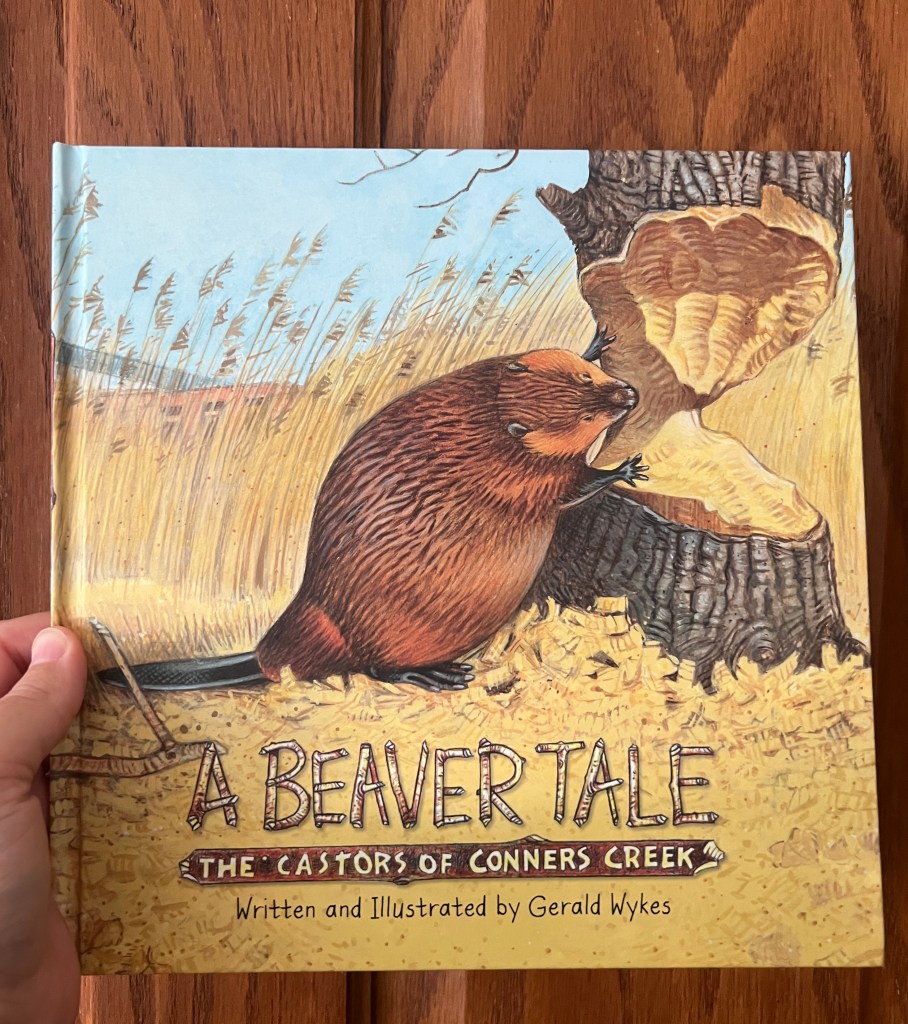
Read all about it in a children’s book
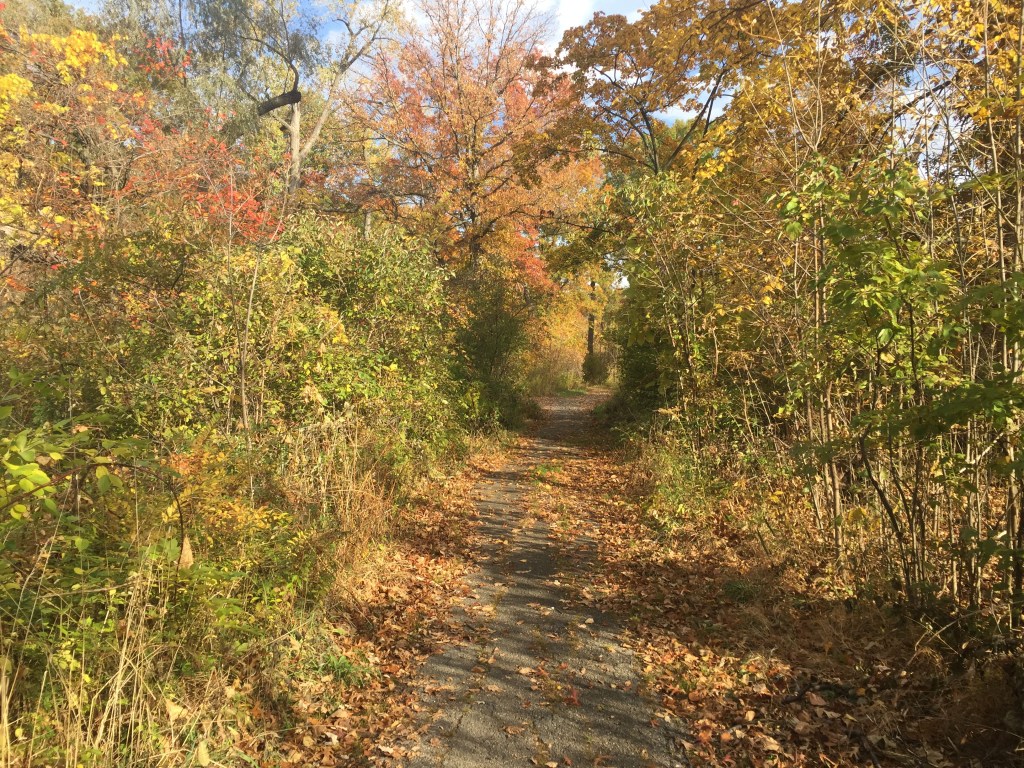
I came to know the Detroit beavers in 2015, while I was still getting to know the birds. When I began birding, I had very little experience, knowledge or skill. Growing up, there was no creek running behind my house, I didn’t play in the woods, I’ve never even been camping. But here I was anyway, with an interest in birding. So, I started spending time at the wildest place I could think of, Belle Isle. One day, I followed a pair of Hooded Mergansers from a small lake, to the canals, and ended up on a trail I never knew existed. I started visiting it 3-4 times a week.
My first photo of Nashua Creek Trail. September 26, 2015
At this time, I was still pretty early on in my birding practice. I hadn’t yet learned about bird behavior, migration, habitat, or range. I had no idea that Belle Isle is a rare mesic flatwoods forest, or that this area is an important stop for migrating birds. But I was discovering the healing benefits of nature. I don’t have the language to verbalize exactly what birding did for me, but it felt like the world had been opened up. It allowed me to shift my attention and offered me a new way to see and connect with the world. I called birding my therapy, and I needed a lot of it. Everyday I was seeing something new. I bought a small camera and started taking photos and videos so I could research what I was seeing when I got home.
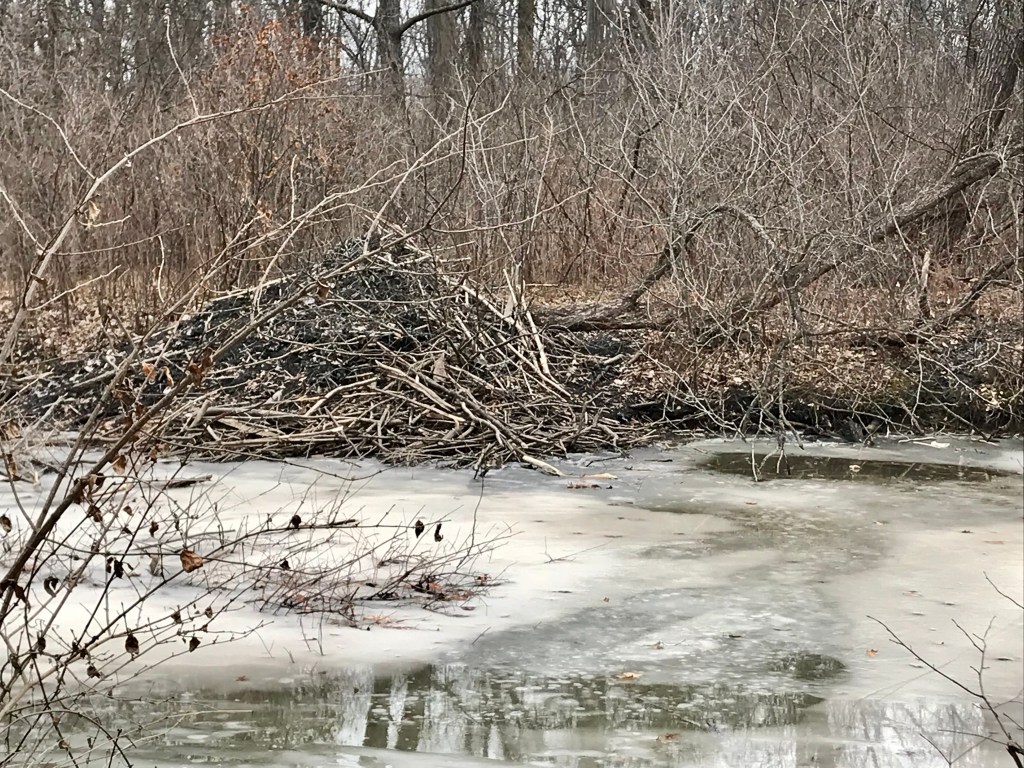
I was spending so much time outside, I inevitably started paying attention to more than birds. I started seeing evidence of the beavers on Belle Isle in the fall of 2015. I saw small trees chewed to a sharp point, and tail slides on the banks of the canal. Once the leaves fell off the trees, a lodge became visible.
Beaver Lodge
I had no idea if it was active or not, but the fire was ignited and I became consumed with seeing the beavers. I started researching them, but most information I found online centered on trapping the animal. I eventually found a blog by Bob Arnebeck, who seemed to find great joy in watching beavers. He shared a lot of helpful tracking information. After researching and searching for months, I decided to reach out to Bob to ask for his help. He had spent a few years in Detroit and was familiar with the area. He patiently and expertly answered all my questions. His work was invaluable to my development as a naturalist. I learned about the differences between lodges and dams, what a winter cache was, how to tell if a lodge is active, the best time of day and year to look for them. He encouraged me to be patient, it had taken him a year to first see a beaver. Then in March 2016, I finally observed the beaver for the first time!
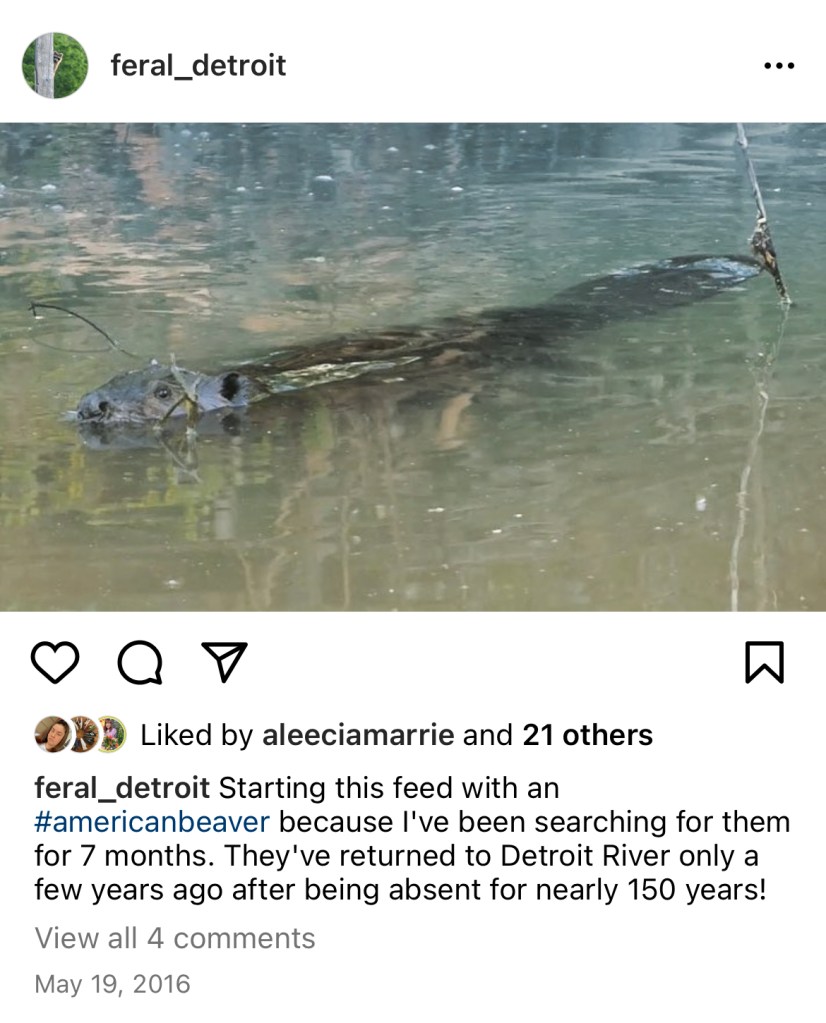
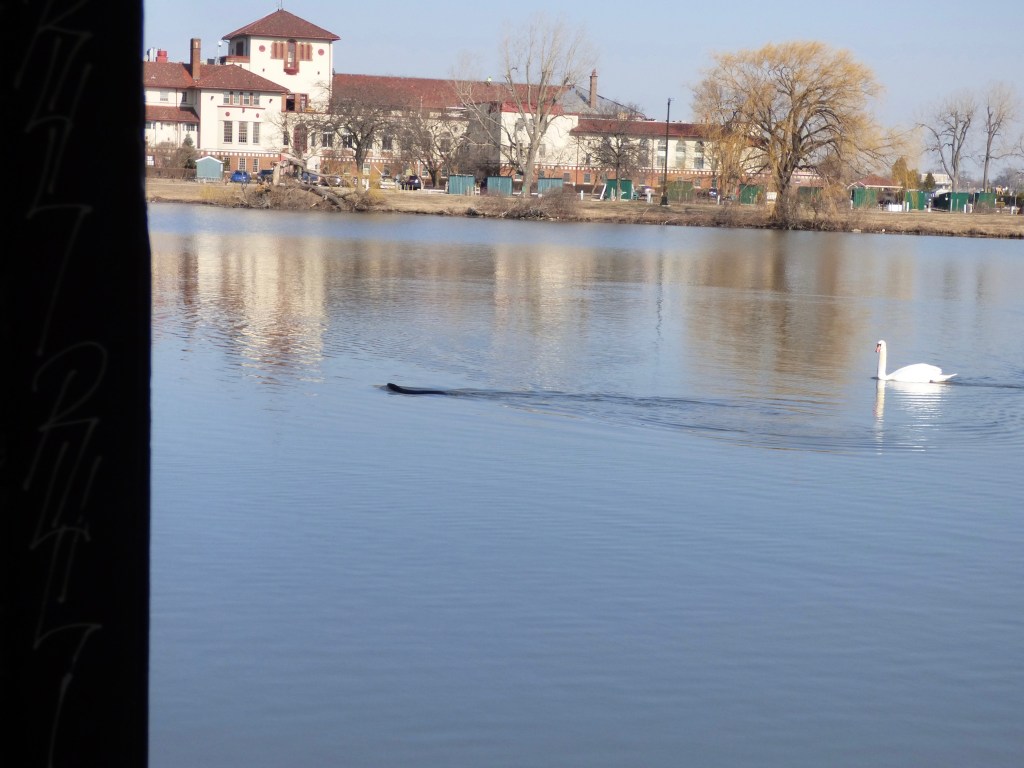
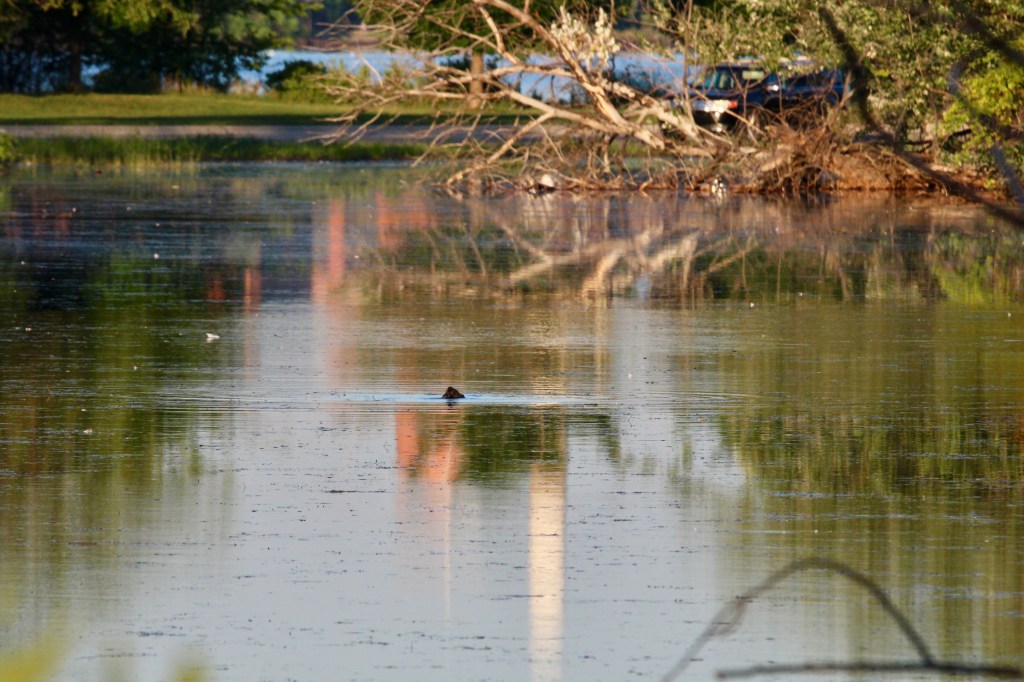
I was in absolute awe. It’s size was unbelievable, it’s tail unmistakeable. It seemed to be floating on the surface of the water, moving so natural there you could barely see a ripple. At some points, only it’s face and ears were visible, reminding me of a hippo, and it might as well have been one to me. I’m from Detroit, a city perhaps just as famous for its deindustrialization as its industry. This beaver was the wildest animal I had ever seen outside of a zoo. I had been searching for months, and here I was finally witnessing it. I could sense that they are peaceful animals, and I felt at peace watching them.
By Spring 2016 I had been observing them regularly. I was learning their routes and patterns. One morning, I was watching them from the footbridge over the canal, when a woman with binoculars came walking up the trail. I knew the sound of her steps could scare them, so I walked toward her and gestured for her to keep quiet. She whispered “what do you see?” I told her beaver, and she said very confidently “there are no beavers in Detroit.” We tiptoed back to the bridge, and there he was, floating in the water with his unmistakable tail in full view. Her jaw dropped. We stood there, in complete silence, taking it all in. When the beaver left, she turned to me, shock still on her face, and thanked me for sharing it with her.
This is one of the encounters that inspired me to start sharing my sightings. The more I witnessed, the more shocked I became that so much life has been existing alongside me, and I never paid attention to it. It seemed to me, that many other people lacked this knowledge too, and I felt called to bring attention to the birds, the beavers, the plants, the bugs. Mary Oliver once said “attention is the beginning of devotion.” That is what I was hoping for. So, I started the instagram page @feral_detroit a few days later in May 2016. My first post was the beaver.
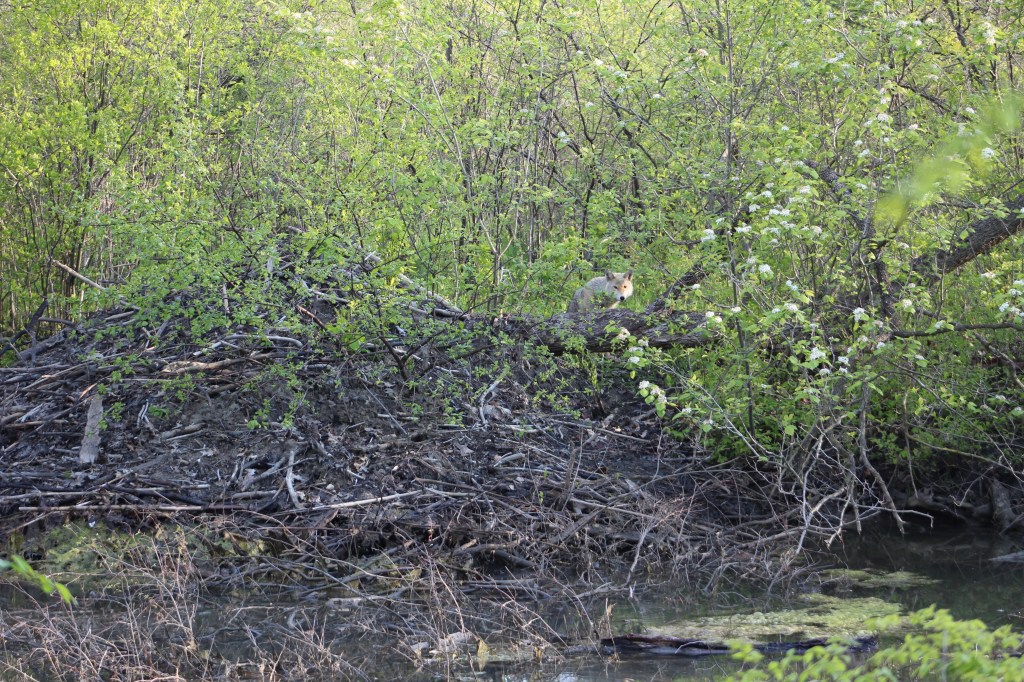
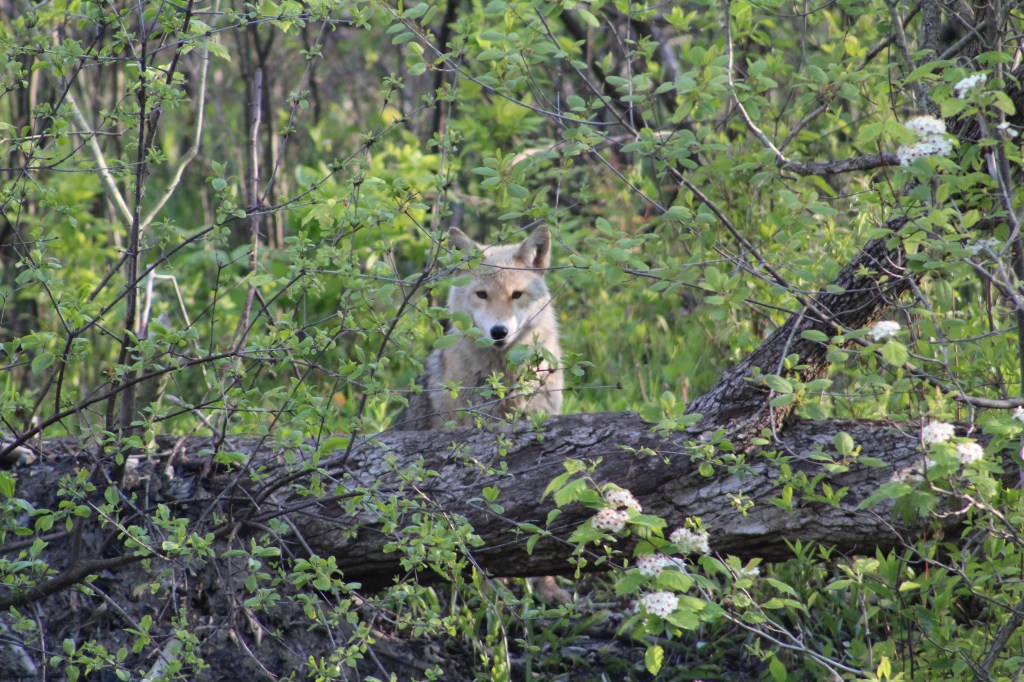
By spring 2017, I’m consistently observing, learning, photographing, posting, teaching. The seasons kept changing and I kept doing what I do. My new “nature as therapy” philosophy was tested, but nature kept providing me with what I needed. I saw a coyote on the beaver lodge, and posted the photo to instagram. A local journalist asked to run the photo in the newspaper.
May 13, 2017
I observe the beavers many times that spring and summer, and get a chance to really observe their behavior.
The Belle Isle beaver fixing up a lodge
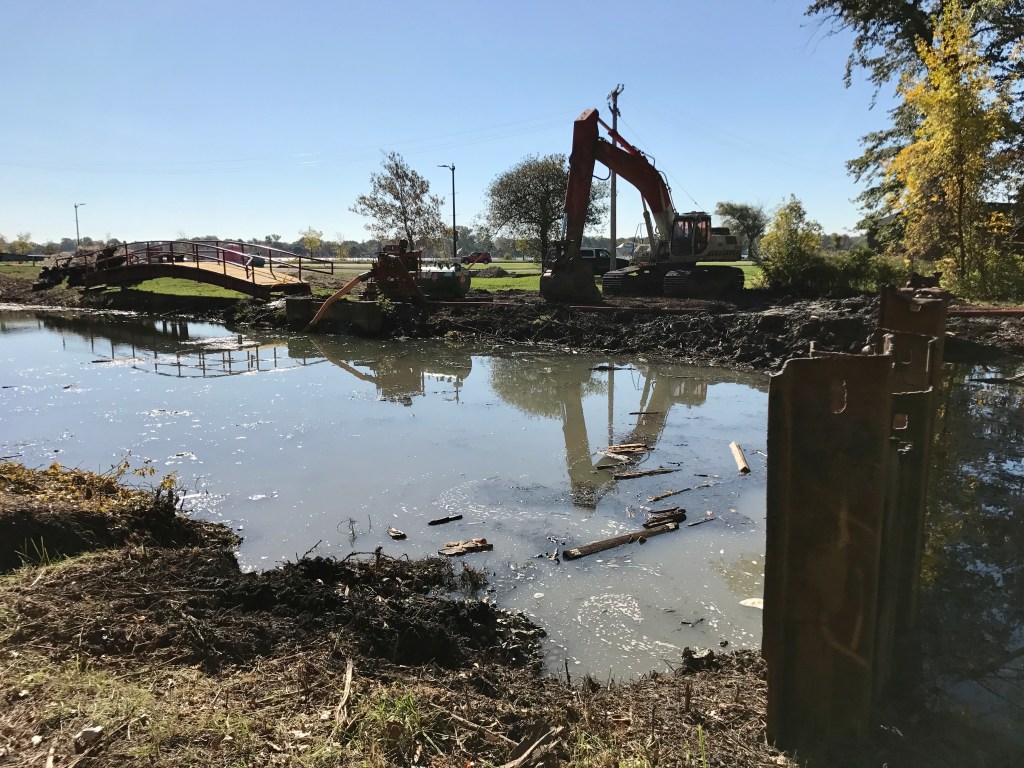
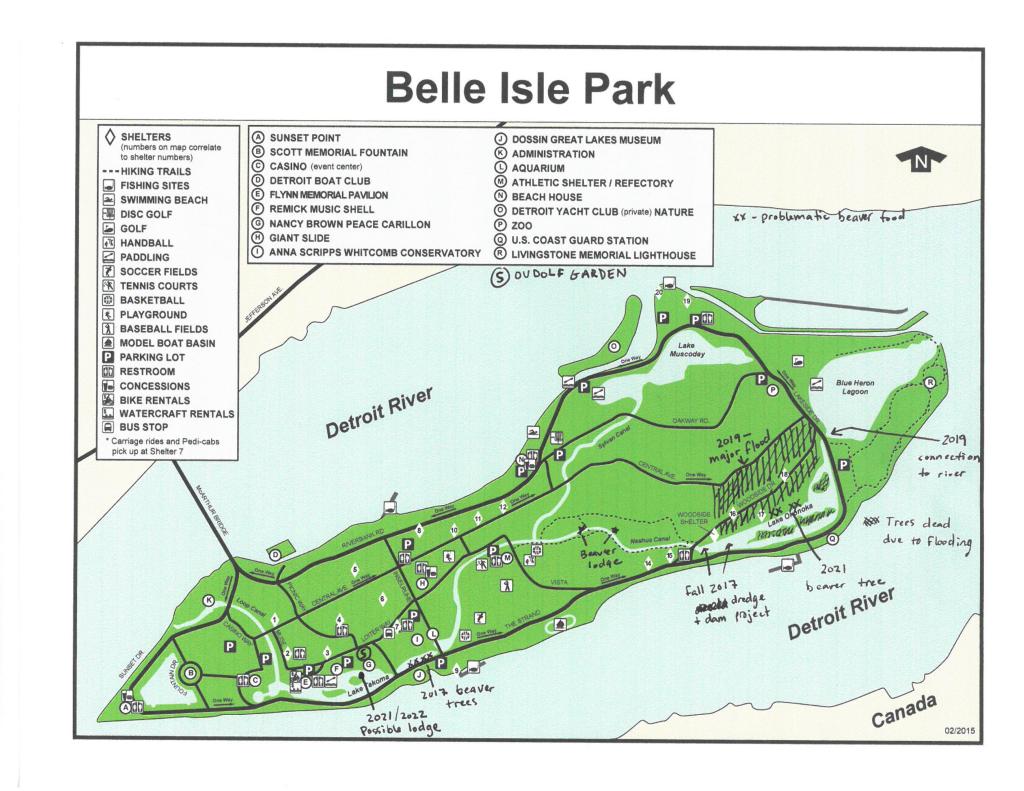
Fall 2017 is a turning point in the beaver/human relationship on the island. The Michigan DNR started a large “habitat restoration” project on an inland lake, Lake Okonoka. They have plans to improve fish habitat, and will begin dredging the lake. They cut the canals off from the lake for the project.
October 2017October 2017October 2017October 2017November 2017
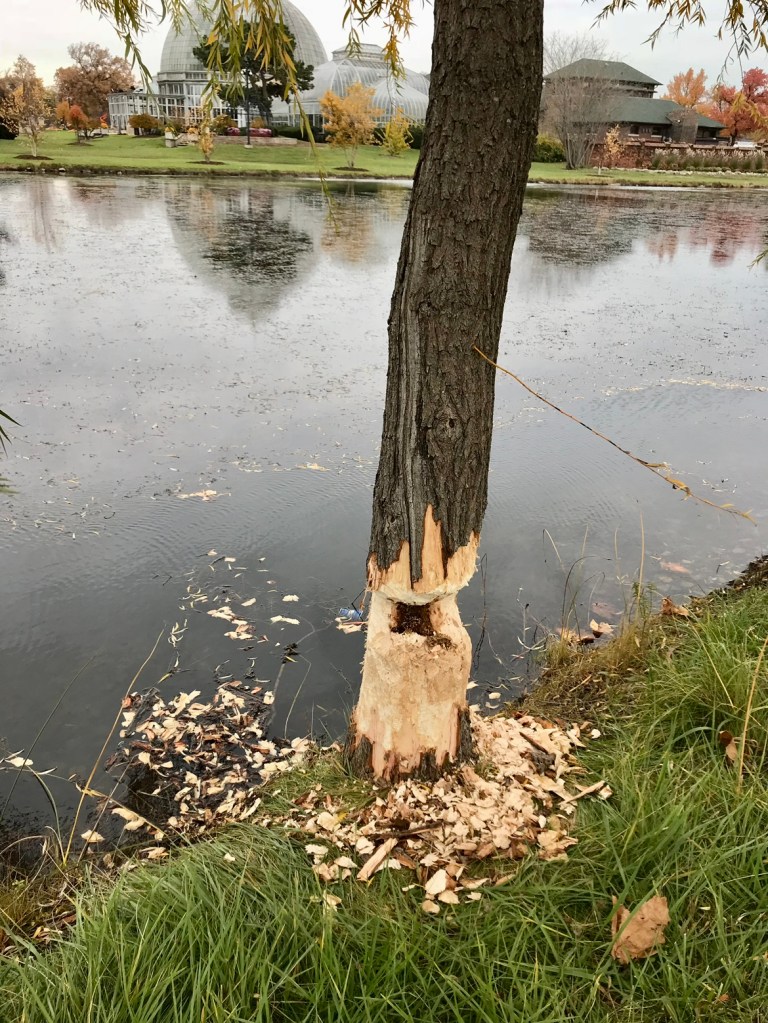
The beaver’s lodge was located in the canal, and they fed on small trees and vegetation along the trail, and also in Lake Okanoka. Now, cut off from the lake, and needing to eat, they must travel west through the canals, to the more developed part of the island. So the hungry beavers take two small Willow trees in front of the Conservatory, a main attraction on Belle Isle.
Nothing exists in a vacuum right? Detroit is rapidly gentrifying, and like the city, the park is changing. Belle Isle is getting busier, and it’s getting whiter. So now, we’ve got park users who are unhappy with beavers for eating trees, as if the trees do not belong to them. The DNR takes notice, and there is talk of removing the beavers to save the “important ornamental trees.”
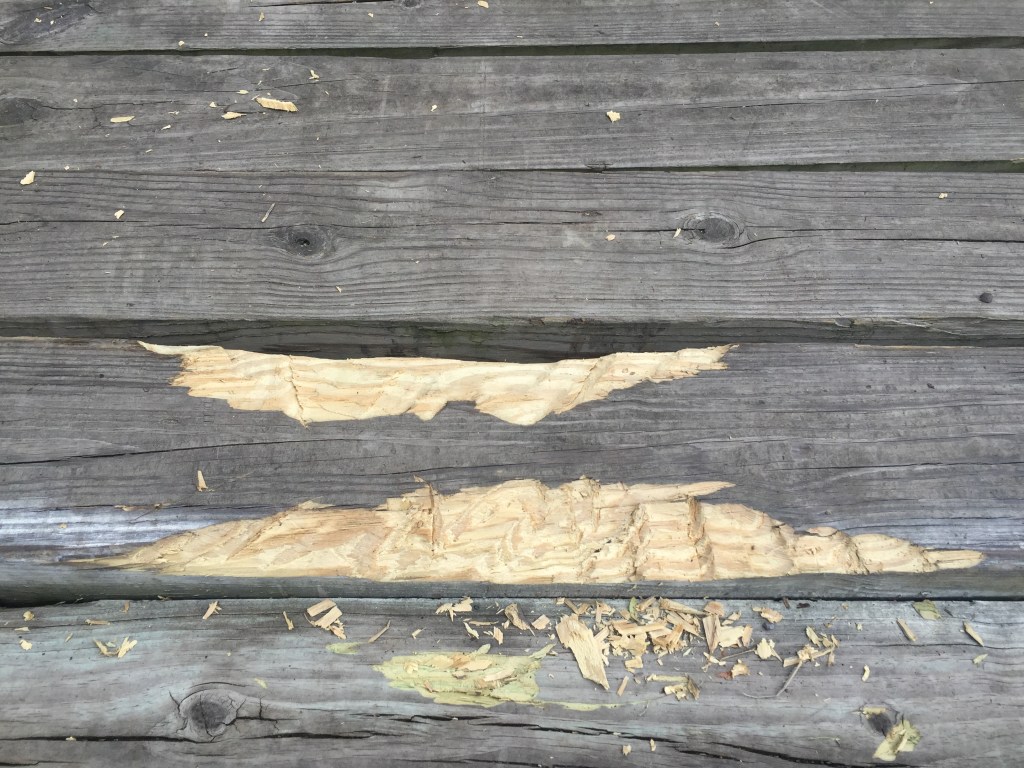
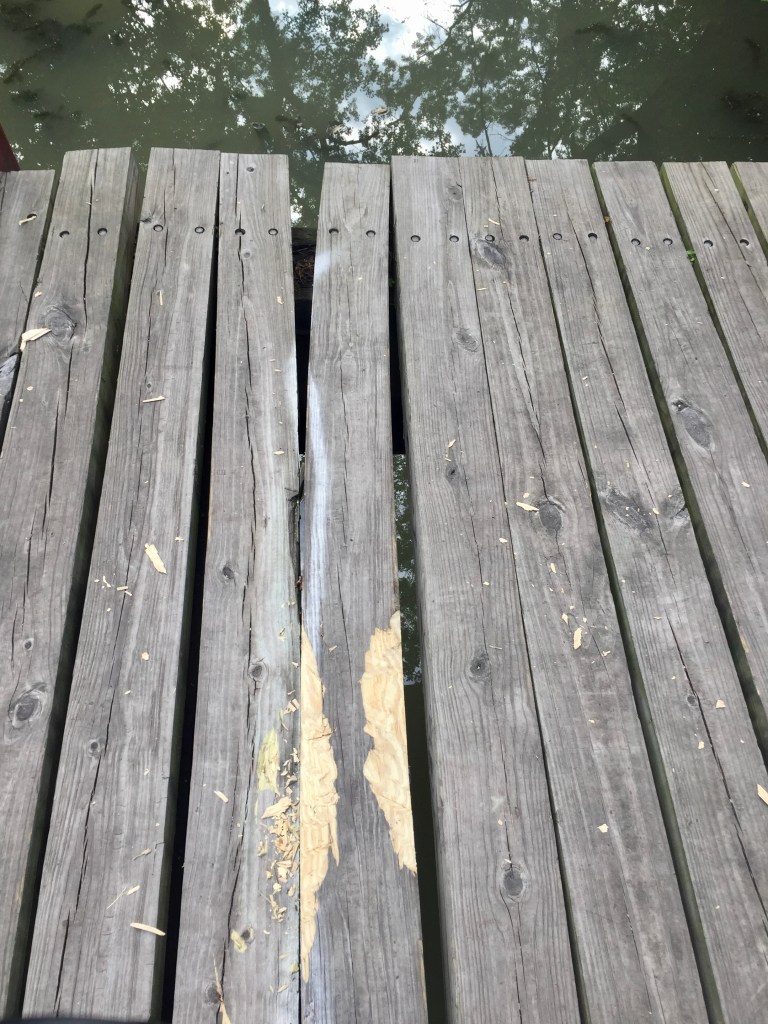
The local paper runs a story about it, and contacts me for a photo of the beaver. They also ask my opinion on their possible removal. To me, there was no beaver problem. There was no imbalance between beaver and trees, the willows belonged to them. This was all a matter of cosmetics. The head of the park acknowledges in the article that the beavers had been cut off from the lake due to their construction. The remaining willow trees in that area were wrapped in beaver proof fencing and the beaver kept traveling to find food. They even taste tested the bridge to see if it was edible.
So the seasons keep changing. I keep doing what I do. The DNR keeps getting grants, and keeps making its “improvements.” I am only seeing the beavers sporadically now, I’m no longer able to track their movements. The beavers are still here, but we are on different paths.
Lake MuskodayLake Muskoday
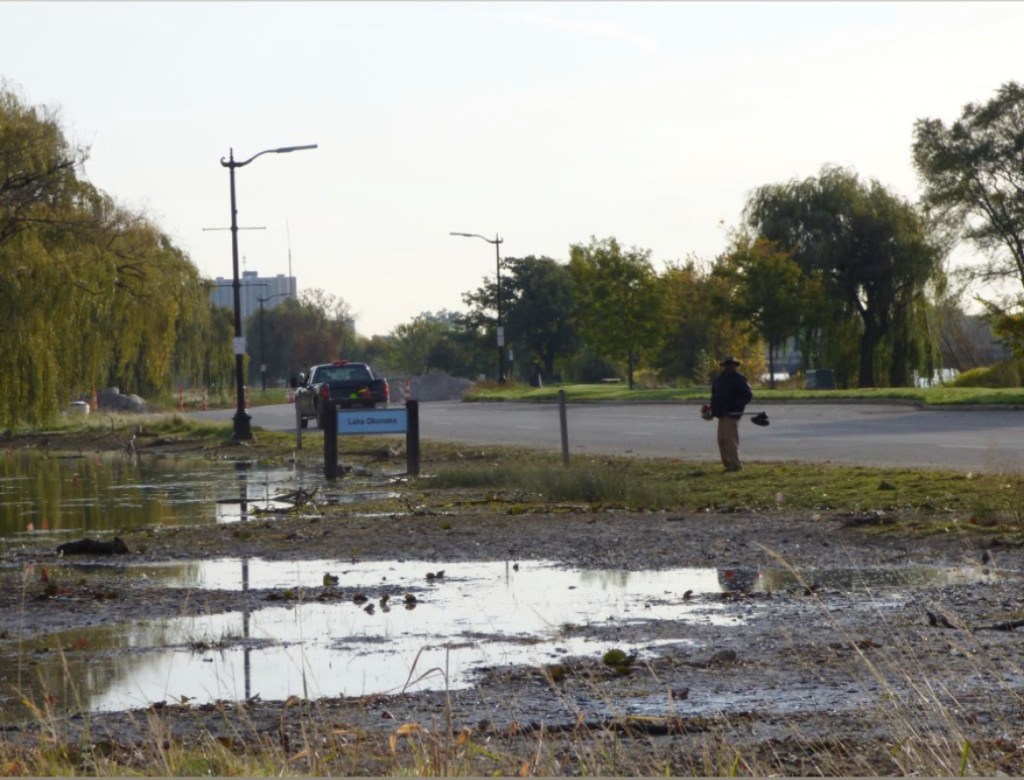
In 2019, state completed another large project on Lake Okonoka, connecting it to the Detroit River. Coincident or not, the forest starts to flood and the trail is now inaccessible in the spring and summer.
The constant construction and never ending roster of events starts getting to me. I start feeling frustrated and stressed when I go to Belle Isle, and I can’t find the peace I once felt here. I starts felling like extension of the gentrification in my neighborhood. I start spending more time birding other places in the city to escape it. Cemeteries and railroad tracks become some of my favorite places.
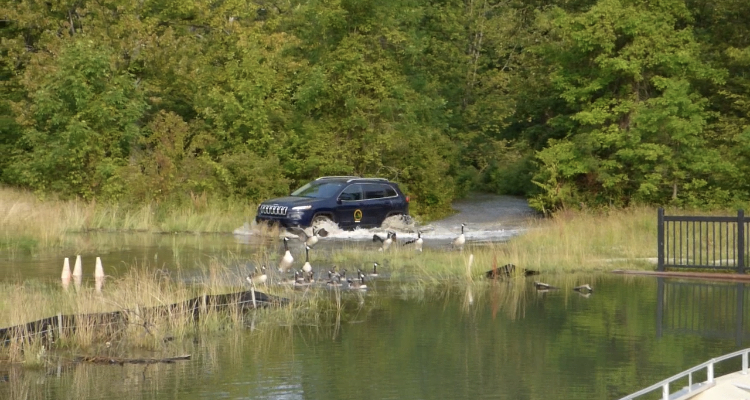
In 2020, I am outside almost daily and find myself back at Belle Isle. The island is facing more historic flooding, and again I cannot access the canal trails. Most of the roads are flooded now too, and a large portion of the island is inaccessible. I see the beavers sporadically, in Lake Okonoka once or twice. And now for the first time I see them regularly in Lake Tacoma, on the more developed west side of the island, near the trees they ate in 2017. I am happy to see them, like seeing an old friend.
Like so many, I spend the fall and winter of 2020 to 2021 just trying to stay afloat. On a very cold sunny day in February in 2021 I am able to finally get outside again. I see a beaver on Belle Isle for maybe the last time. It’s just as memorable as my first encounter. I was walking along the canal trail, now frozen. One of the things I like to do in winter is find water, and see what birds come to drink.
Waxwings on Ice-2019
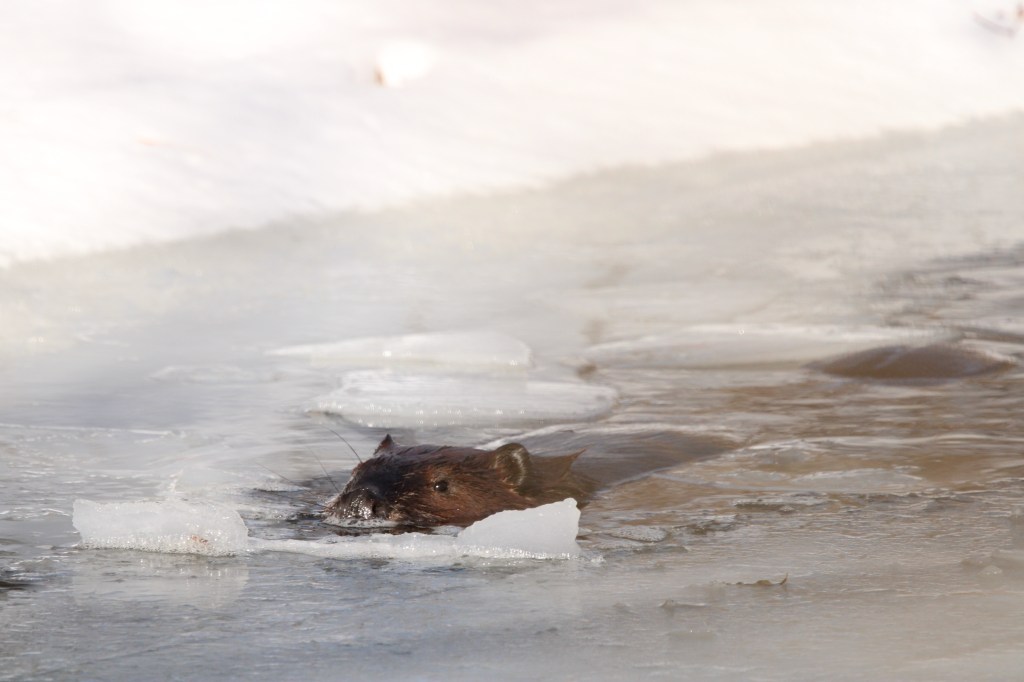
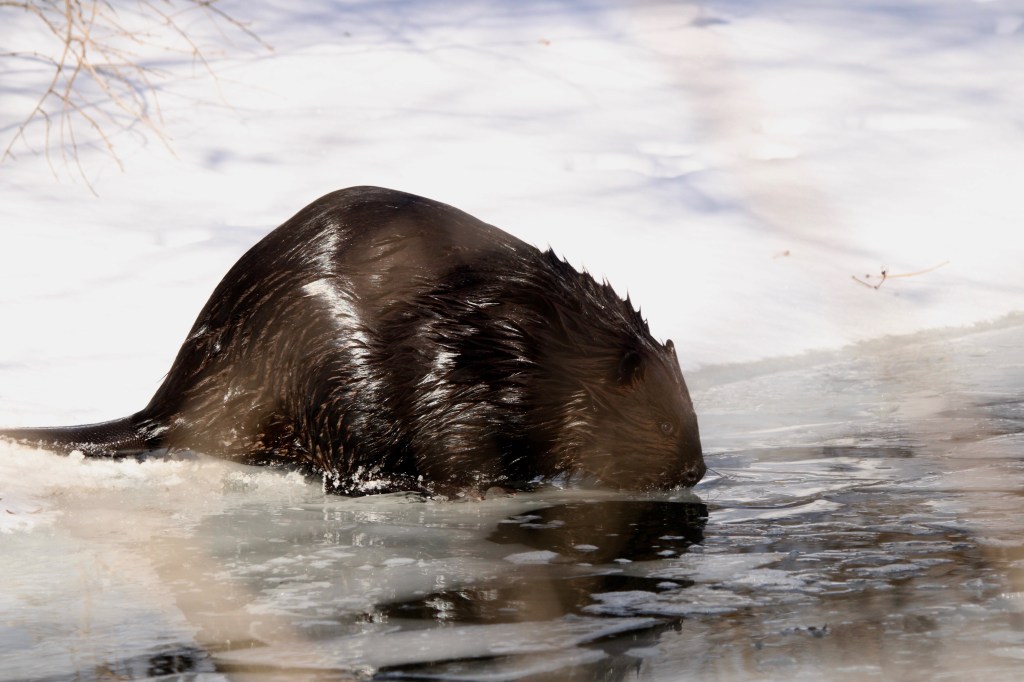
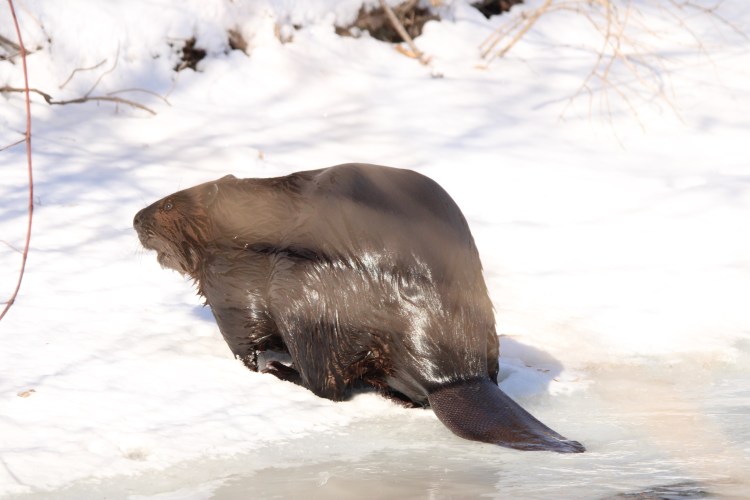
On this day, I found a hole in the ice and watched as Cardinals and White-throated Sparrows visited for a drink. I saw the water move, but I didn’t feel a breeze, and it wasn’t windy. I crouched down thinking something would pop out of the water, a mink maybe. To my surprise it was the beaver! He was so close to me he reacted to the sound of my camera shutter, we both paused. I am not sure I’ve ever been this close. I feel the peace like the first time I saw him. It feels like maybe we are the only two outside today, and I find solace in that. He starts trying to lift himself out of the water and onto the ice.
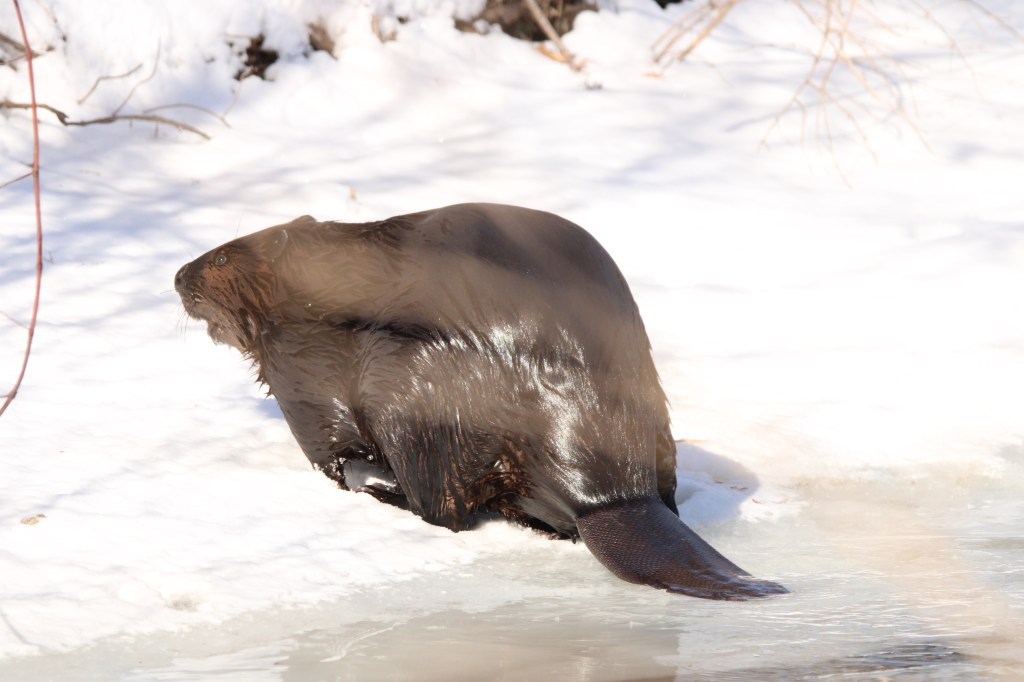
Once he finally lifts himself up, he takes a drink of water, and starts walking toward the woods. I give him the space he needs, and we go our separate ways.
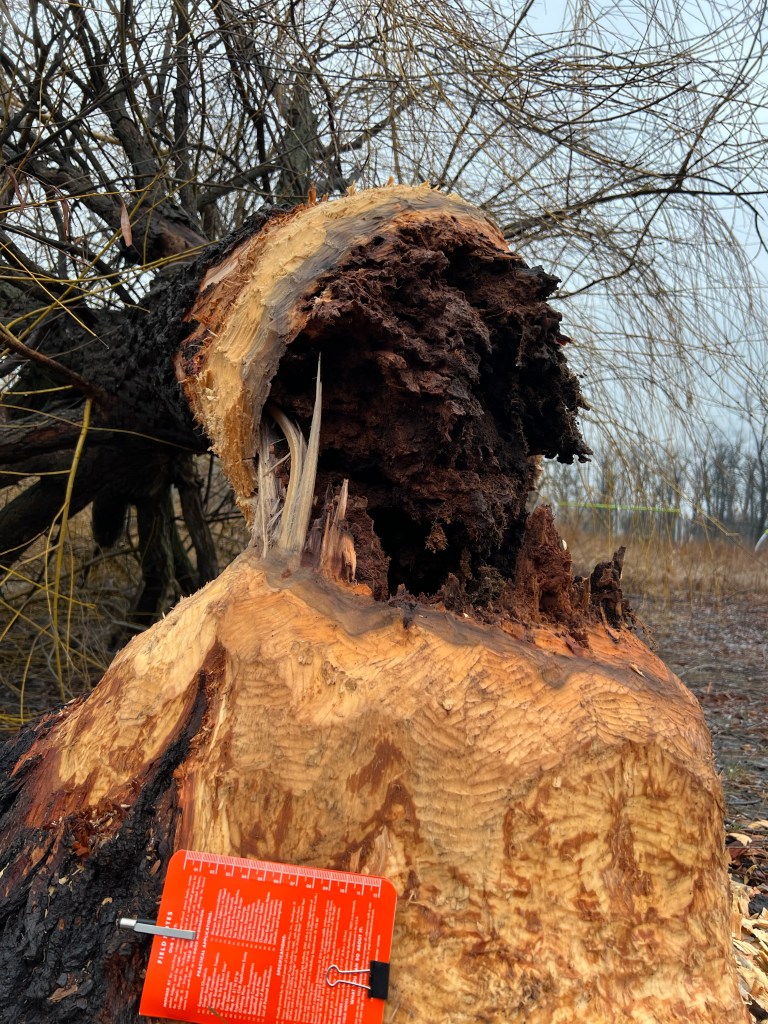
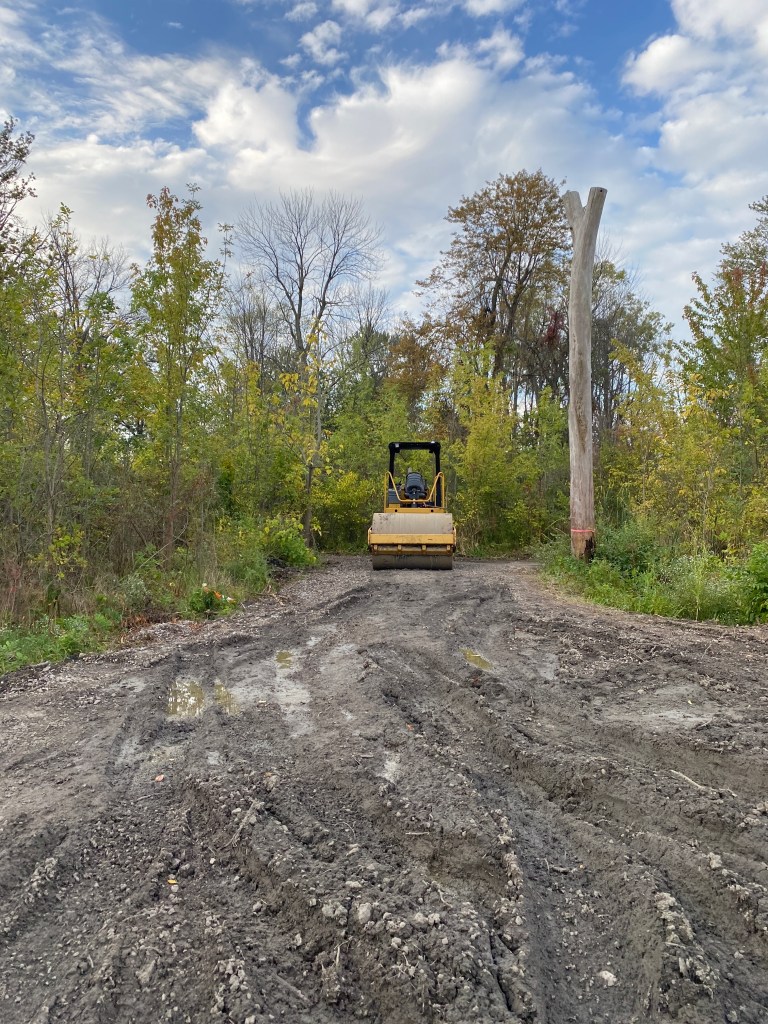
In spring 2021, the DNR begins work to restore the Mesic Flatwoods. Another multi million dollar project. More major construction, this time all over the Nashua canal trail. One of the bridges I’d often watch the beavers from was removed. Roads are unearthed, removed, and left in piles on the side of the trail. By spring 2021 Belle Isle feels like a place I don’t know anymore, and I rarely go. I walk the lighthouse trail more often than Nashua Canal. Come fall, I notice the beavers have taken some Aspen Trees off a small island in Lake Tacoma, near the new garden. I suspect they’re building a new lodge. I also notice two large, old, willows that they’ve chewed on the east end of the island, in Lake Okonoka. I know this will be an issue and I make a video to document it. These are the largest trees I’ve ever seen them take or chew on the island. Still, there is no dam on Belle Isle, only lodges.
In February 2022, the DNR unceremoniously traps and kills the Belle Isle Beavers. A journalist from the Metrotimes calls me to ask for photos to use in the story. He also asks my opinion on the DNR killing the beaver. I start almost every interview, meetup, and conversation these days by saying that I am just a person with a camera. I say that partially as a point of pride, I am a self taught urban naturalist from the hood, and I get to speak for the beavers. But it’s also to say that I don’t know everything, that I may get it wrong. I have the photos, I have the knowledge, I have taken the time to get to know the beavers, I have found a way to connect to nature in this place, but I do not have power or credentials.
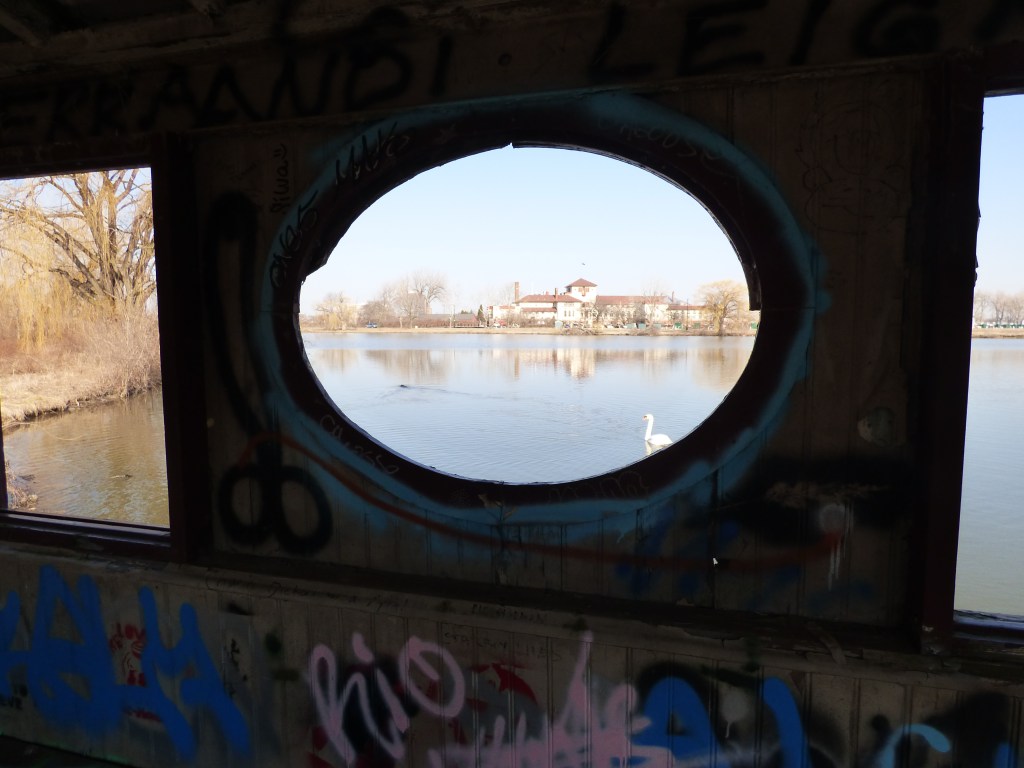
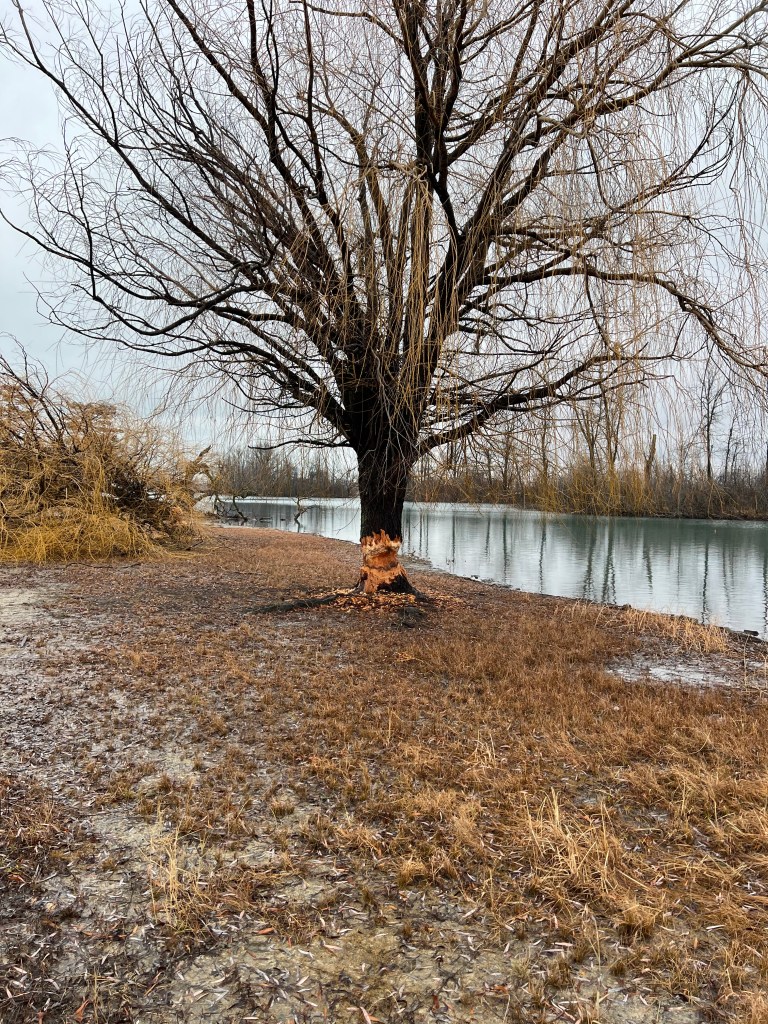
In the article, Ron Olson, who does have the power and the credentials, speaks for the state. He is the head of parks and recreation for the Michigan DNR. Olson makes a few statements in the articles that I disagree with. He says that there were about 8 beavers on Belle Isle, and that would be my guess too. But he says “that’s a lot.” And that I do not agree with. He says that “each mated pair will have up to four offspring.” True, beaver families are typically around that size, but there is only one mating pair in the group, who mate for life. Beavers like most animals have and defend territories. I trust the beavers to decide amongst themselves how many beavers is too many. He suggests that beavers have been causing flooding on the island and that feels like a straight up lie. The beavers on Belle Isle were bank beavers, and there is no dam on Belle Isle. He says that beavers “belong in the wooded area,” and they do. But when we are constantly encroaching on “the wooded area” who gets to decide where it starts and stops? There is exactly 339 feet between the edge of the woods to the edge of the water where the beavers ate the willow trees that got them killed. I measured it myself. Perhaps the playground installed as part of a “habitat restoration” project is what doesn’t belong.
He says the beaver cull is a calculated management strategy. In a Detroit Free Press article he says that the state’s “mantra is to steward the land. With that comes prudent and proper management plans.” He goes on to say “these kinds of things, they are difficult for some folks to cope with.” And he’s not wrong, it is difficult to cope with the death of the beavers I’ve been observing for several years. But it is even more difficult to cope with the arrogance of the state. He says that live trapping the beavers would have been too traumatic for them. I guess death is somehow less traumatic to the beaver than trying to live on land stewarded by the state.
The state does not own this park by the way. In 2013, Belle Isle was leased to the state of Michigan for 30 years by an emergency manager, appointed by governor Rick Snyder, the guy you who poisoned Flint. The Detroit City Council unanimously voted against this deal, but lost. So the state gave itself the park, and the people never got a say. W are supposed to trust all their decisions?
In his book Where the Water Goes Around, Bill Wylie tells the story of a sacred tree that was cut down on Belle Isle by the state. When questioned, they responded that had they known, they could have saved it. In the essay “From Wahnabazee to Penskeland” from his book, Bill says “that’s the deal, you have to know the story, the layered meanings of a place. Sacred trees, like sacred rocks, may not speak for themselves, but their destruction can turn to curses.” Sacred too, is the beaver.
It’s insulting that Olson would suggest that we are just too sensitive, and that we just don’t understand their management plans. I have seen with my own eyes that they do not care about this land. They allow billionaires and millionaire real estate developers to sit on their advisory committee. They allow an Indycar Race here. They mow native wildflowers every year, Spring Beauty, Fawn Lily, Milkweed. They take weedwackers to a wetland. They pay millions to “improve” our trails and then drive their cars on it.
the mix planted for native bird habitathummingbirds nested here
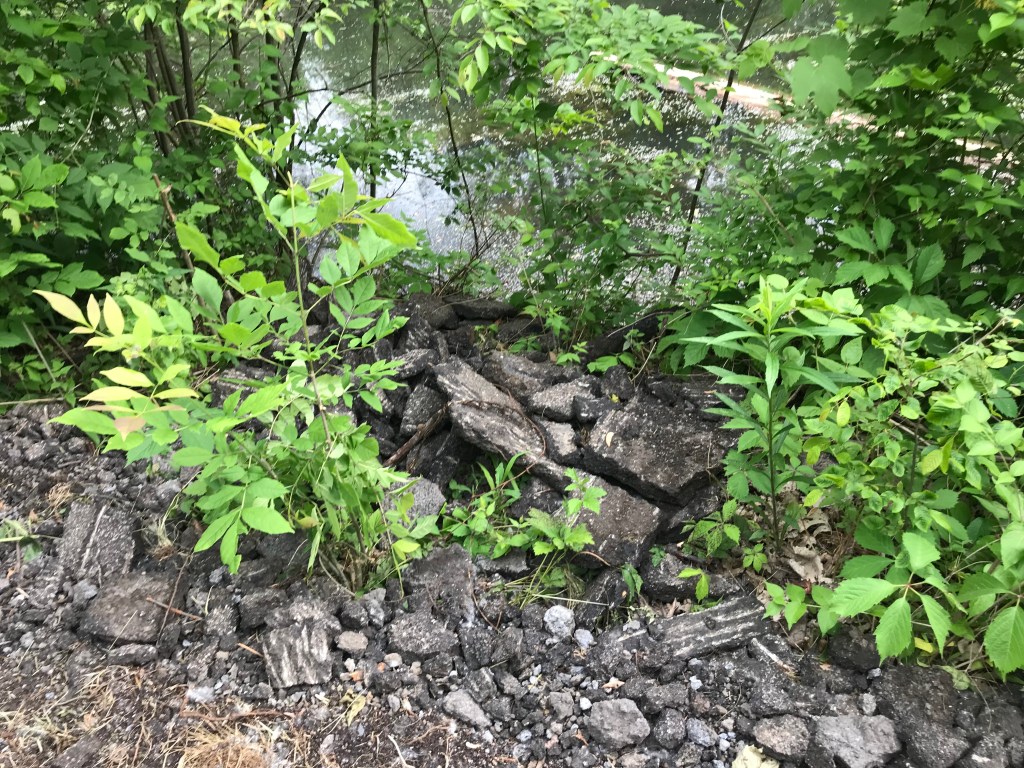
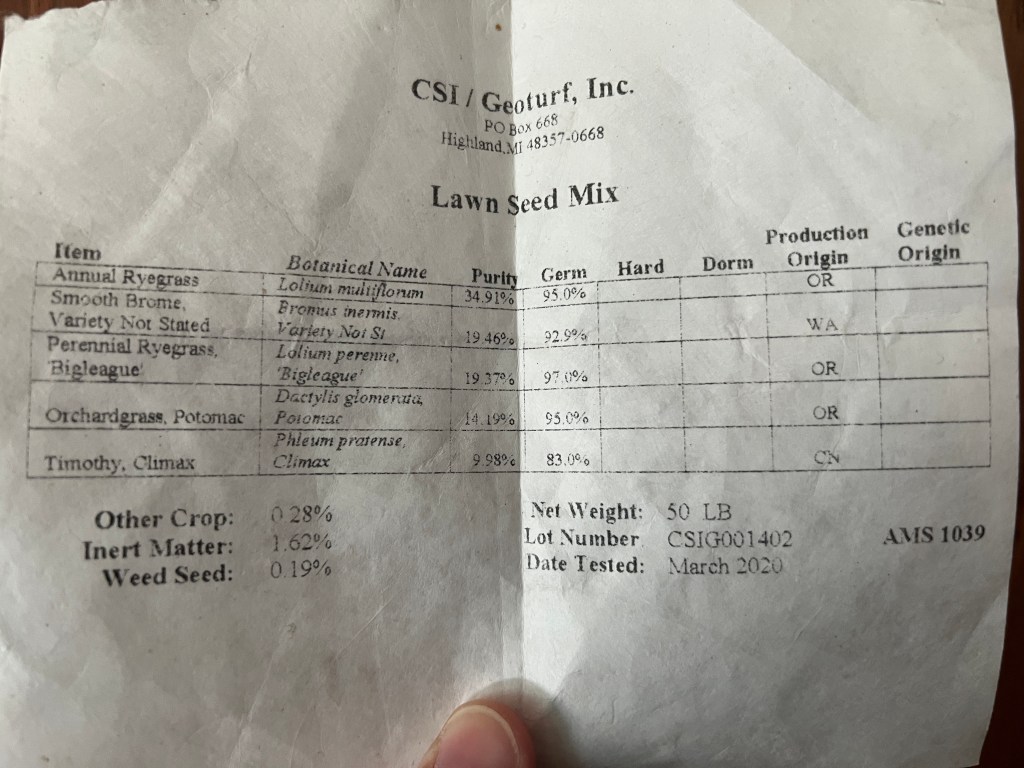
They tear out asphalt trails only to leave the asphalt sitting on the bank, while the other hand looks for money to control erosion. They repave that same trail with new asphalt two years later. They refuse to protect the first Bald Eagle and Osprey nests in a generation, because they’re not legally obligated to. They “restore” native bird habitat, by planting European grasses, against the advice of experts. They disrupted a Great Horned Owl’s Nest and an entire spring bird migration with heavy construction. They connected an inland lake to the Detroit River and flooded and kill the oak trees that makes this forest special. I could go on, but this post has to stop somewhere. The state sees this park as property, as a resource to be extracted from. They cannot fathom our love for this place.
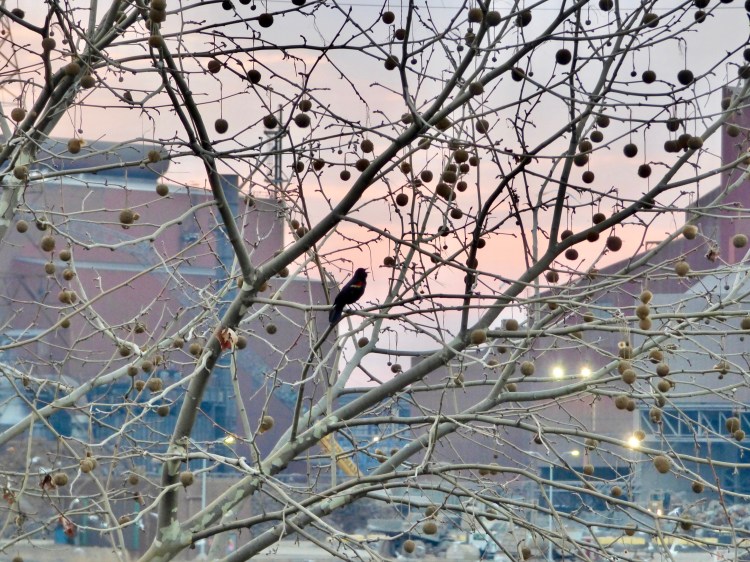
I went to Belle Isle yesterday. The Red-winged blackbirds have returned, like clockwork. It was hard to hear their song over the machines of so called progress, but they sang anyway.
“This is a prayer to the One who flows around us, over us, in us. Come. Come in judgement and mercy. Come home like the sturgeon. Glide as a swan and strike. Slither like a snake unexpected. Reegineer this world only as the beaver. Come as wild grass that grows through the cracks. Break from below the concrete idols. Dance on its rubble at a wedding. Grow like truth at the poor one’s door. Unite as all relations. Burst forth like the buried stream. Rage like a bridge afire. Let the gatehouse crumble. Let the governor and his petty minions fail. Let the cop cars stall and the guns go silent. Let the wounds release their victims. Set the bathhouse prisoner free. Let the invasive species wither at their roots. Let the island be sown or go feral with love. May the sacred commons spread. And yes, may the waters go round. Amen.”
“Where the Water Goes Around: Beloved Detroit” by Bill Wylie-Kellerman
“Histories are shaped by who owns the camera and where they stand to shoot.”
Bill Wylie-Kellermann
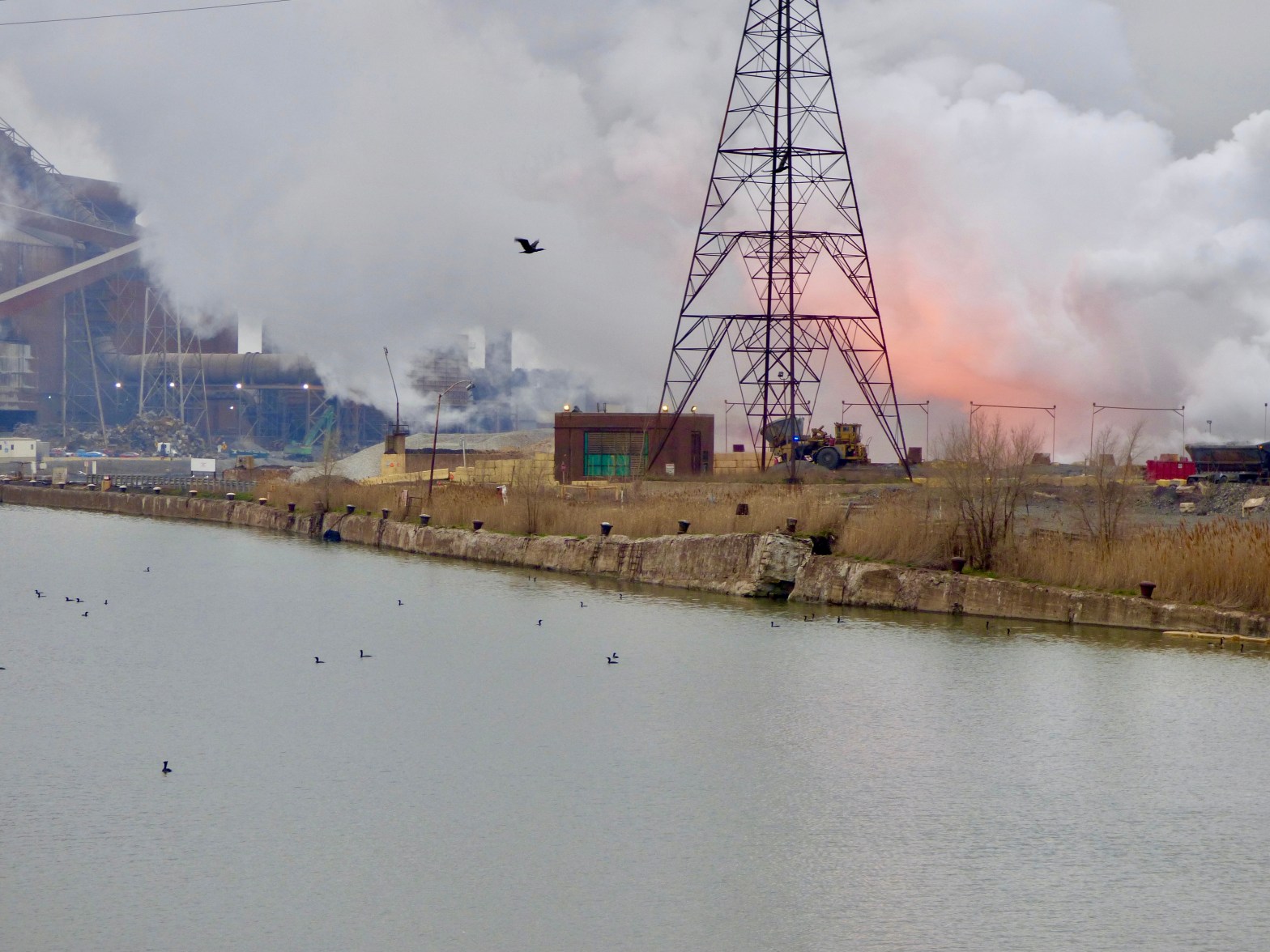
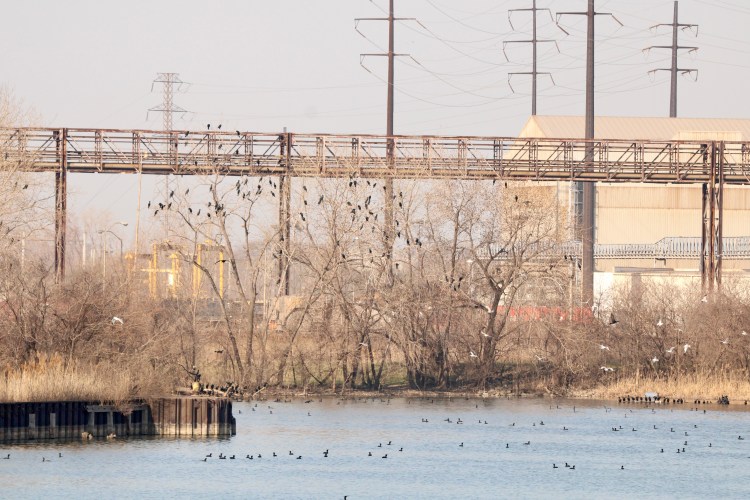
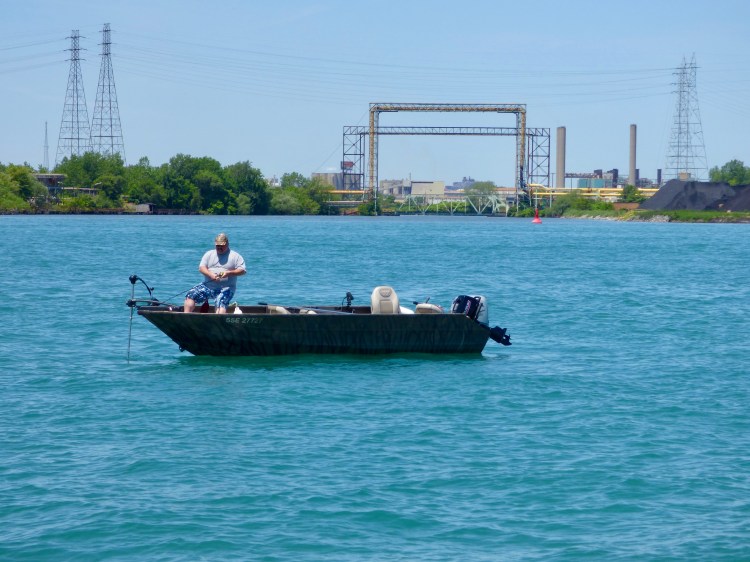
I spend as many mornings in April as I can standing on a 100 year old drawbridge. This street is one of the main thoroughfares in the neighborhood I grew up in. The river below me was once so polluted it caught fire. In front of me, the factory that changed the the world. Behind me, is a refinery that makes fuel for the factory’s product. This heavily industrial area is not exactly pedestrian friendly, this is the motor city after all. There are no accessible sidewalks. There is no public parking, or access to the water. I am almost always catcalled walking in the street. It smells like rotting fish and pollution. In such a harsh landscape, you probably wouldn’t expect to find much life, but there is so much life here.
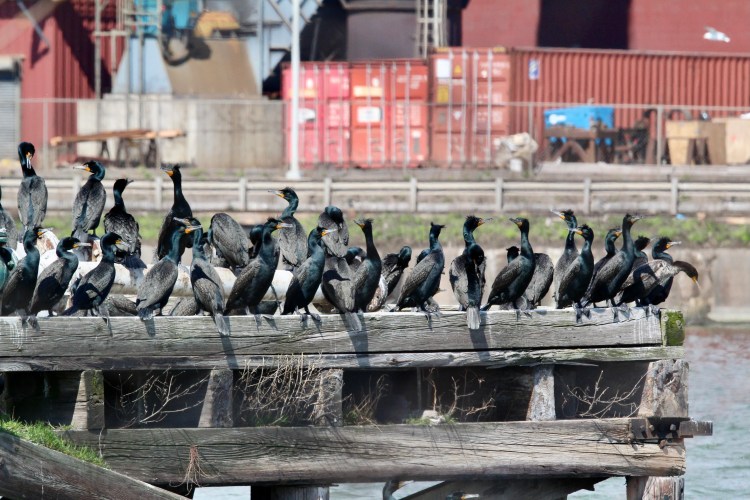
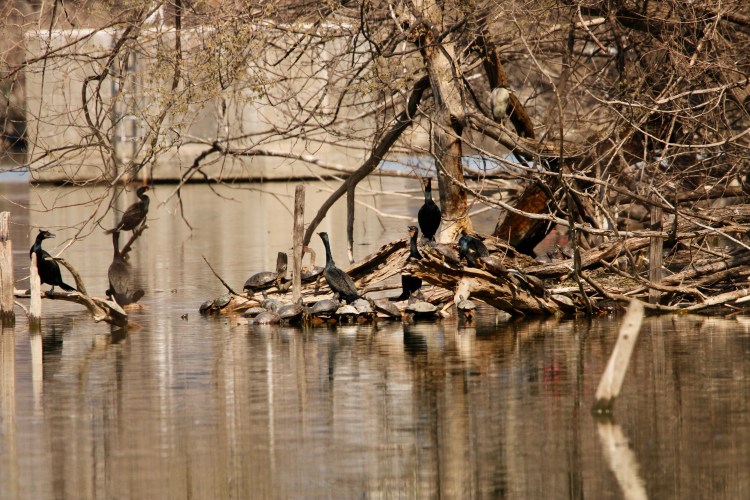
I’m here to witness and observe a large Double Crested Cormorant colony. This river is apparently an important stop on their migration route. I have more questions than answers; how long have they been coming here? Generations? Centuries? Longer? Have they been stopping here my entire life? Just existing alongside me and I never noticed? Have others stopped here on this river to witness this? On this bridge? Does anyone else care? I noticed the Cormorants about 4 years ago, when I was first getting to know the birds. To get a closer look, I have to duck behind giant crude oil storage tanks.
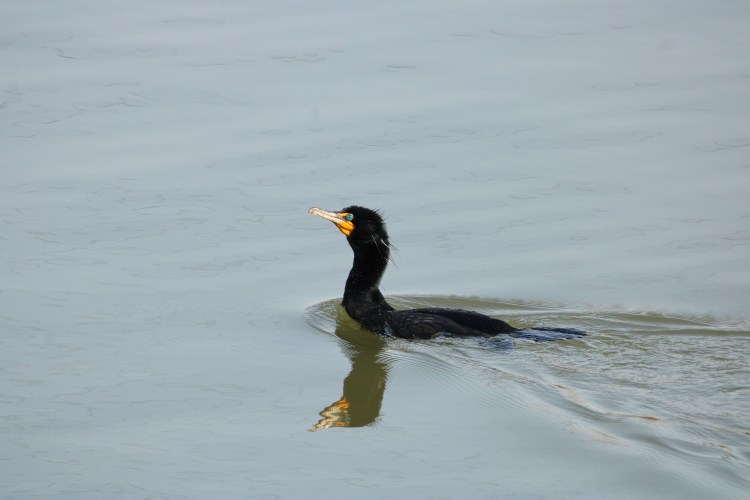
Double Crested Cormorants are large, black, fish eating waterbirds. They have an S shaped neck, and crests that are only visible during their breeding season. If you look closer, you’ll see their jewel-like aquamarine eyes, and a mouth that is bright blue. They’re expert divers, chasing fish and capturing them with their hook like bill. Their populations have rebounded after European settler persecution, and pesticides. Some would even say they’re a conservation success story. They’re now the most common and abundant cormorant in North America. I guess now they exist too much, and their population is being managed to preserve sport fish, as if the fish don’t belong to them.
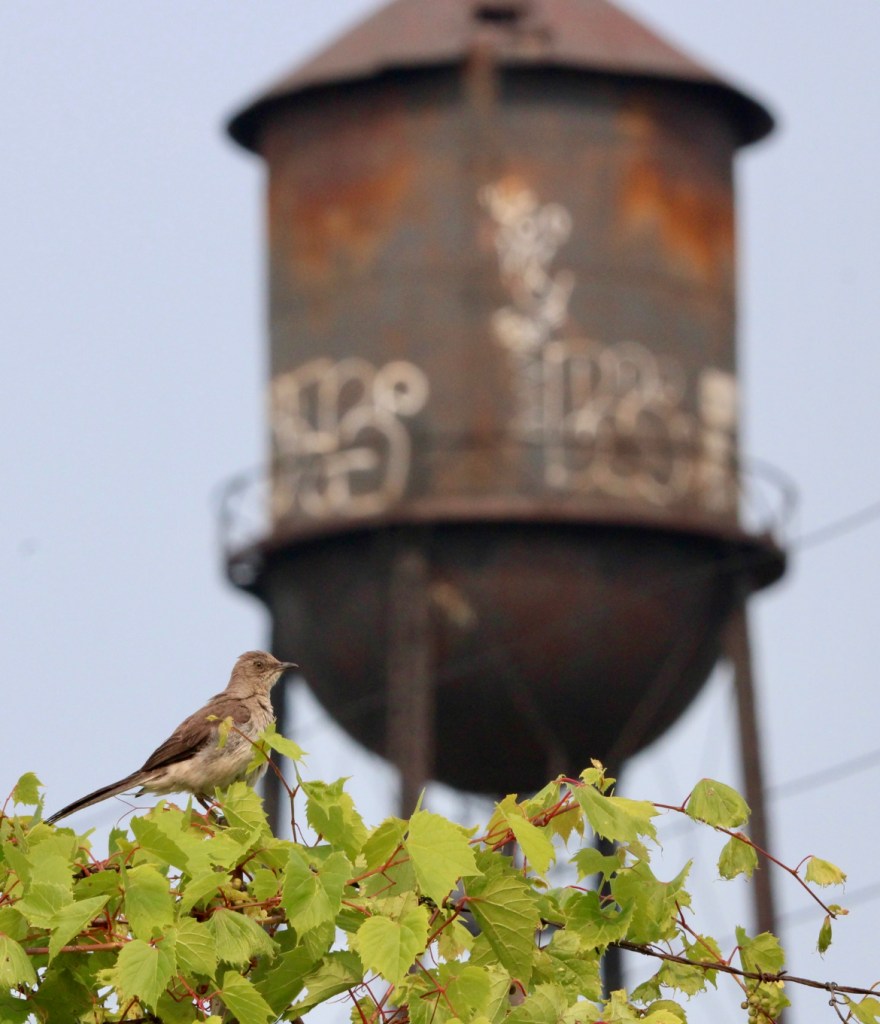
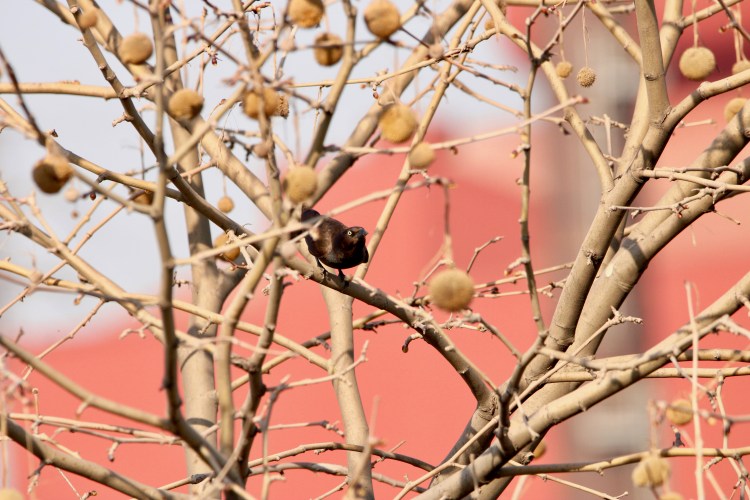
To some birders, seeing a very common and abundant bird may not be exciting, or worth their time. To me, connecting with nature is also about connecting to place. Next to me, in a dusty sycamore tree, there’s a Song Sparrow singing. He can live almost anywhere in the world he wants to, but he chooses this place over and over again. Does he remember when this was a Beech and Sugar Maple forest? Like the red-winged blackbirds and the goldfinches that are also here? Like the wood duck that instinctively follows a now buried creek to find water? The Kestrel and the Grackle? The Swallows that will arrive here in a few more weeks? Is this place in their DNA? Or are they like the Mockingbird, who has only recently arrived, looking for a more suitable piece of land to live on?
Red-Winged Blackbird singing from a SycamoreGrackle in the same Sycamore
Between the factory, and the refinery, there’s a neighborhood. Most of the residents have been displaced and relocated by the refinery. But the birds are still there.
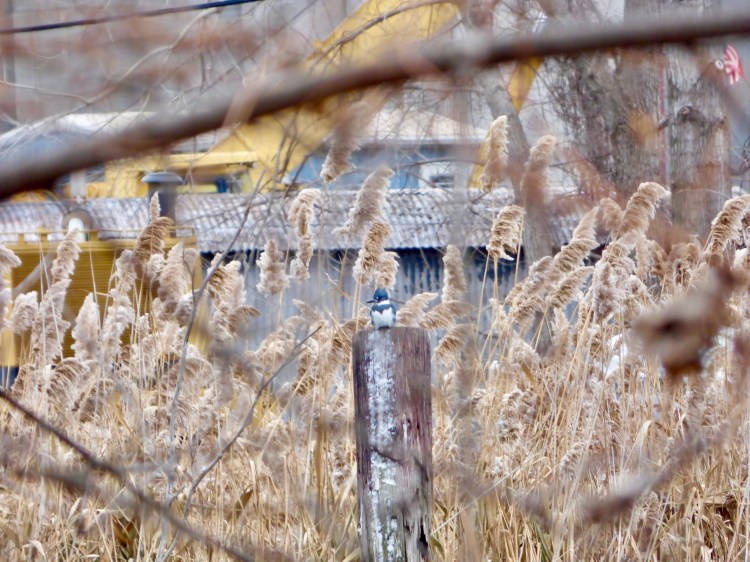
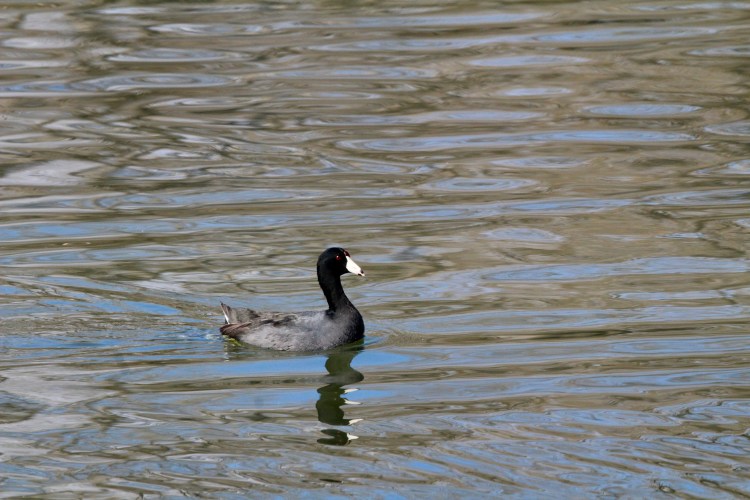
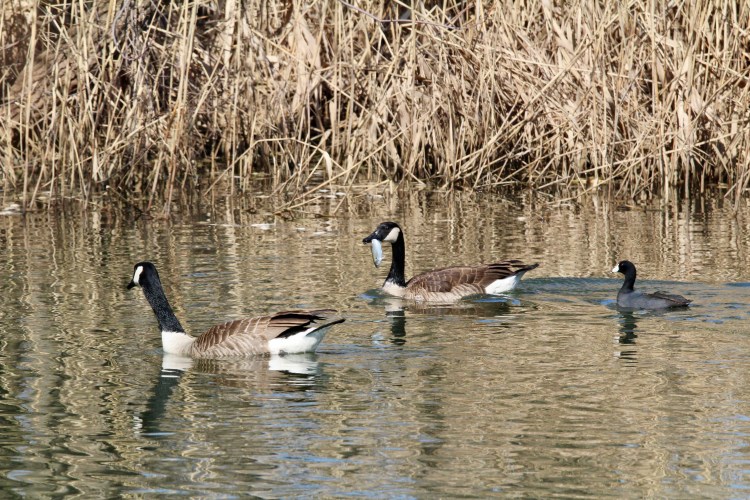
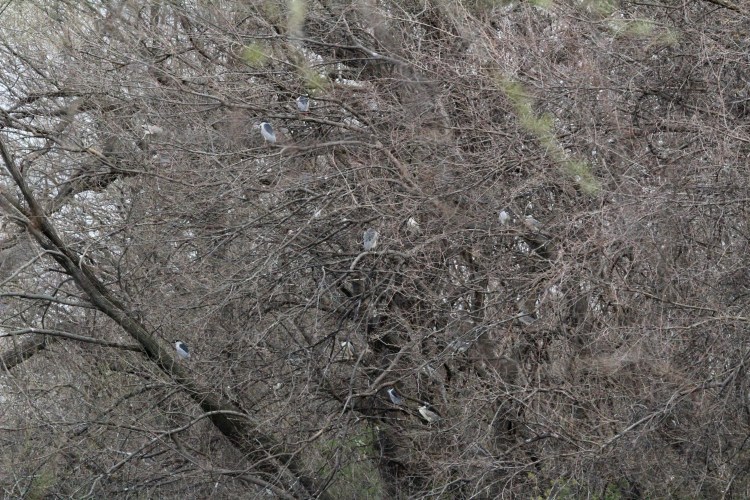
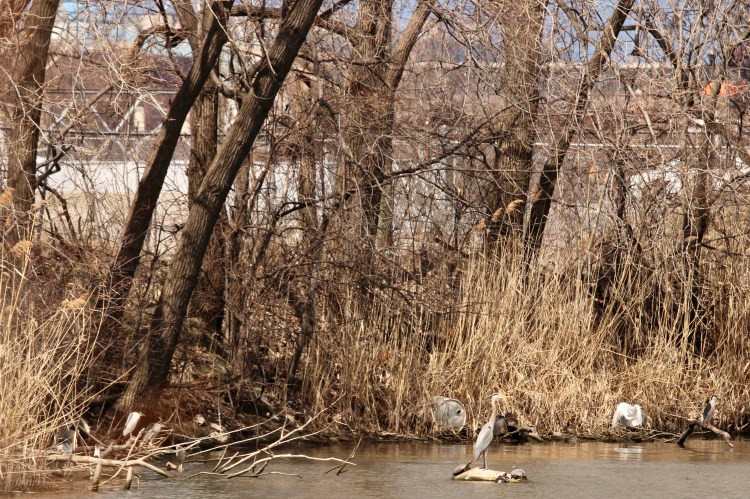
Great EgretBelted KingfisherRing-necked DuckAmerican CootApparently Geese eat FishTons of TurtlesOspreyBlack-crowned Night HeronsBlack-crowned Night Heron, Great Blue Heron, Great Egret, turtlesTurtles using a tire as a log
I love the “rose that grew from the concrete” narrative. I love showing life thriving where it shouldn’t be able to. Nature always finds a way, but imagine what would be possible if we didn’t make it so hard.
Red-winged Blackbirds are back so to me that means Spring is here. It has been a LONG winter. I spent a good portion of it focused on my family, or asleep honestly. I forced myself to get out at least once a week most weeks but I didn’t always have the energy to share what I found, so here’s a quick winter recap.
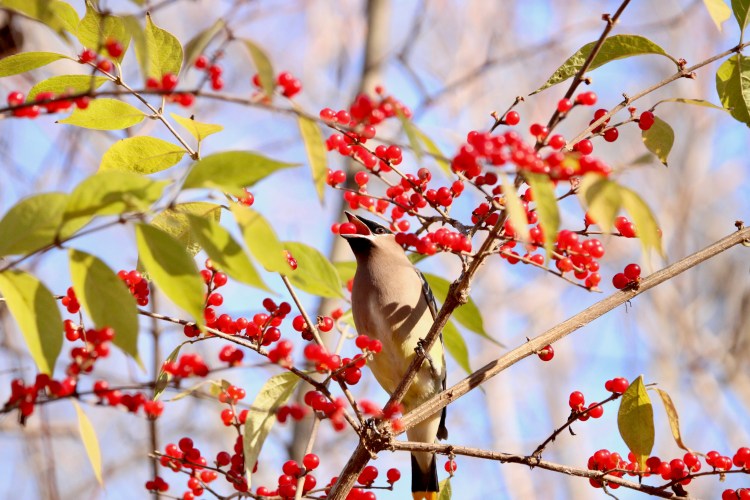
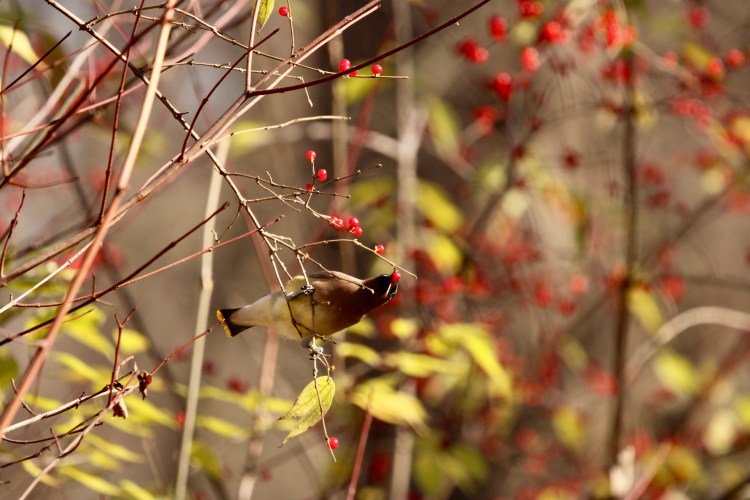
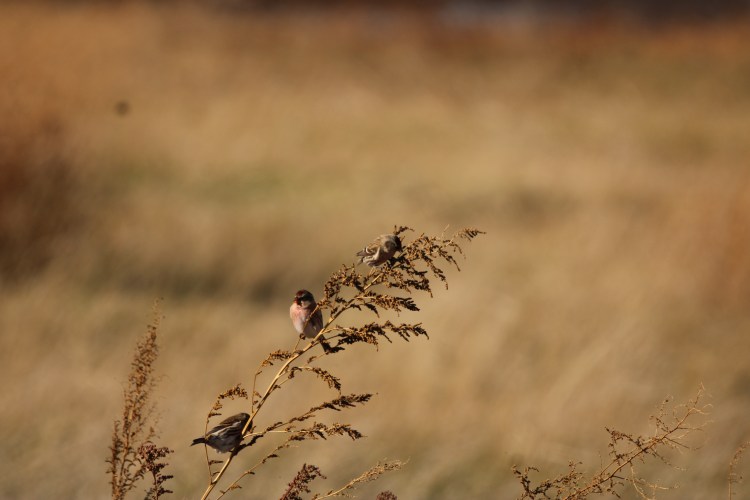
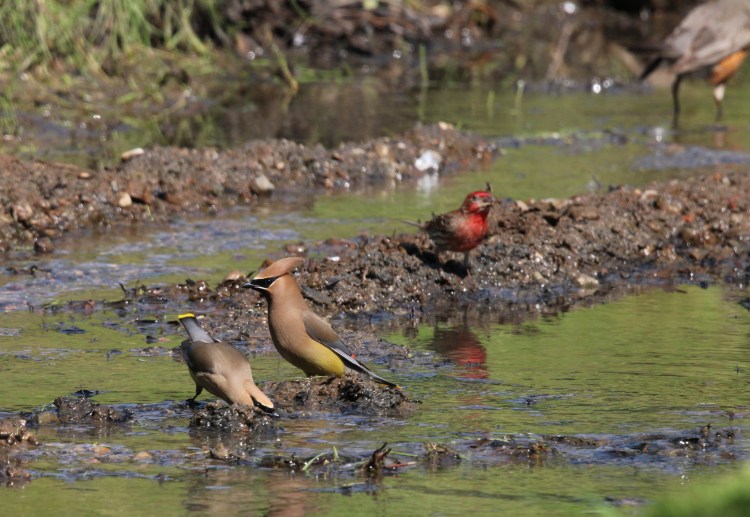
November highlights included Goldfinches in their winter plumage, eating seeds from Sweetgum Trees. And, my closest ever encounter with Cedar Waxwings. I spent about 30 minutes with a flock of around 20, and they seemed completely unbothered by my presence. I also had a lifer (new sighting), Common Redpolls, which are not actually that common around here.
I saw lots of the birds you’re likely to find here every winter:
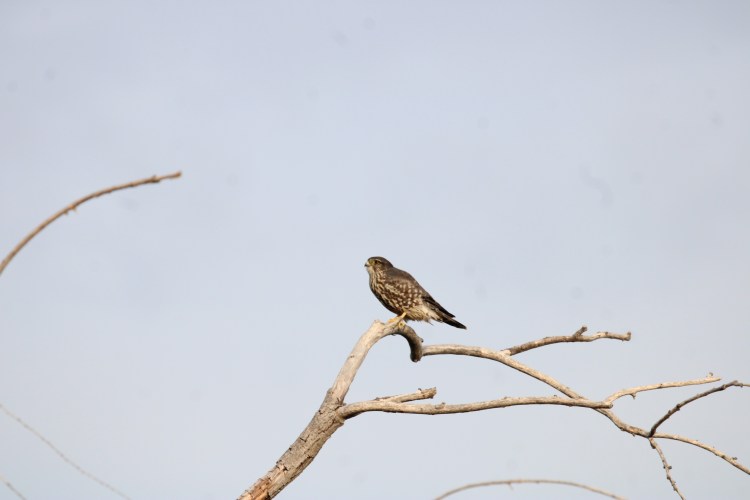
Merlin
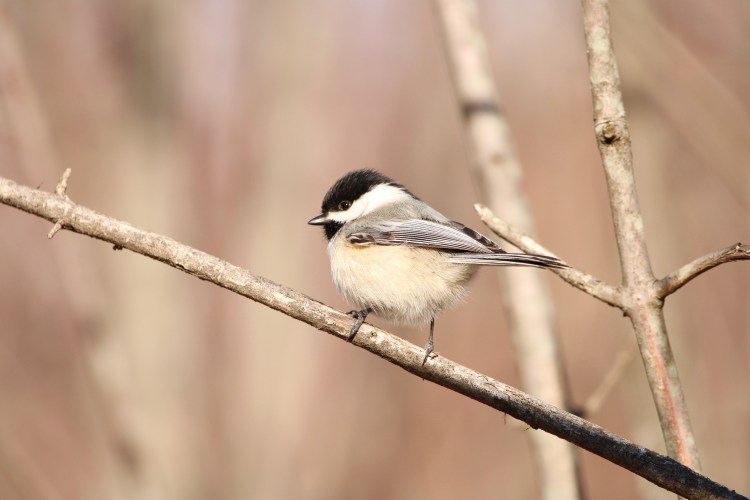
Chicadee
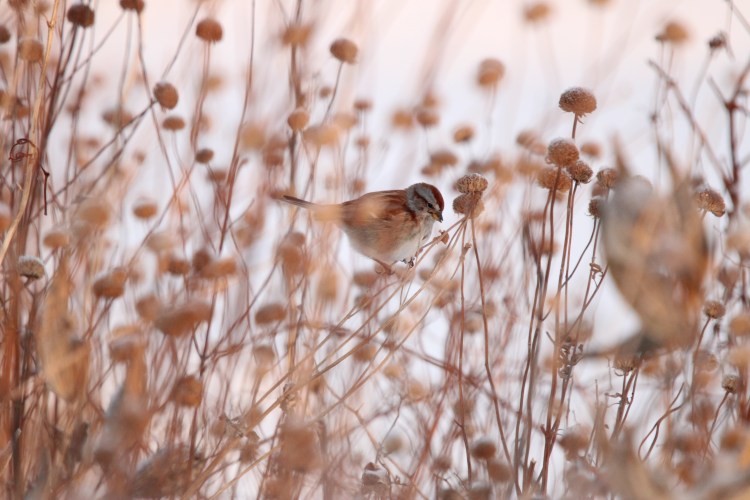
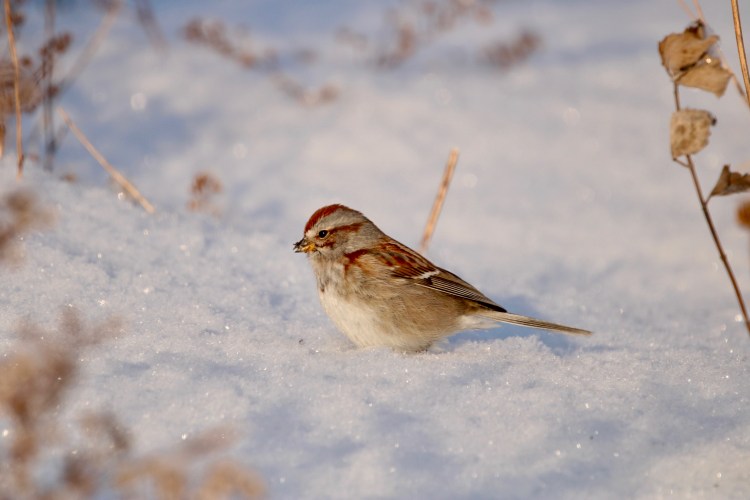
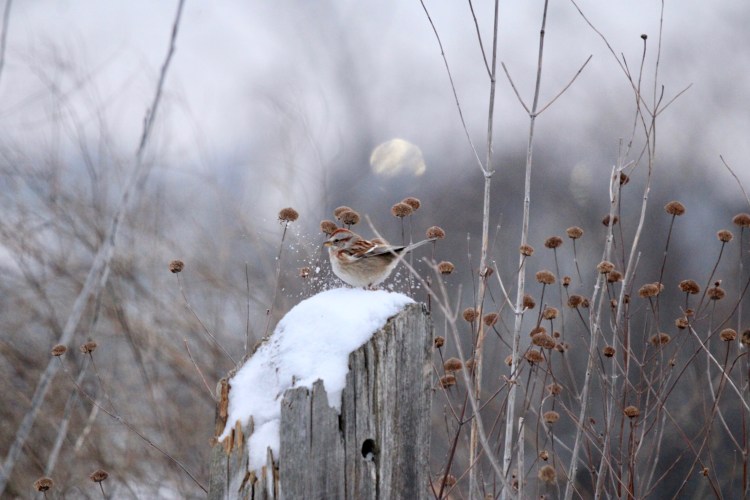
American Tree Sparrow
American Tree Sparrow
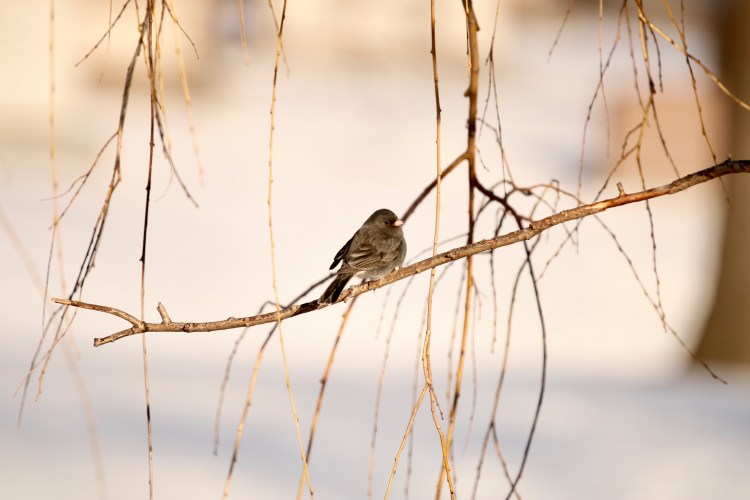
Juncos
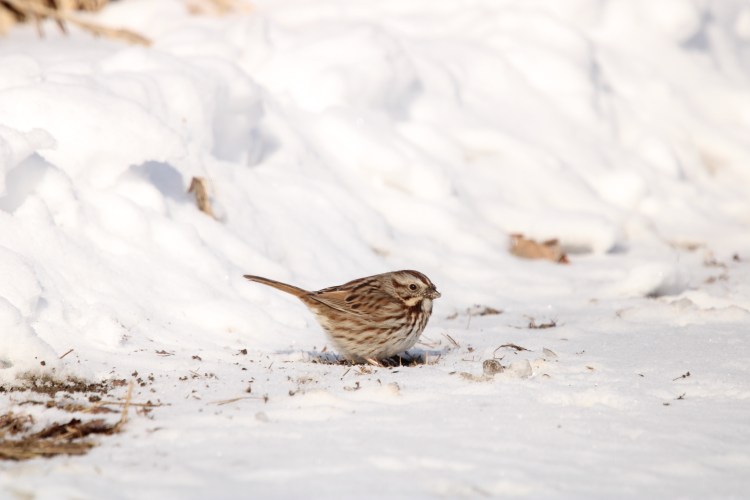
Song Sparrow
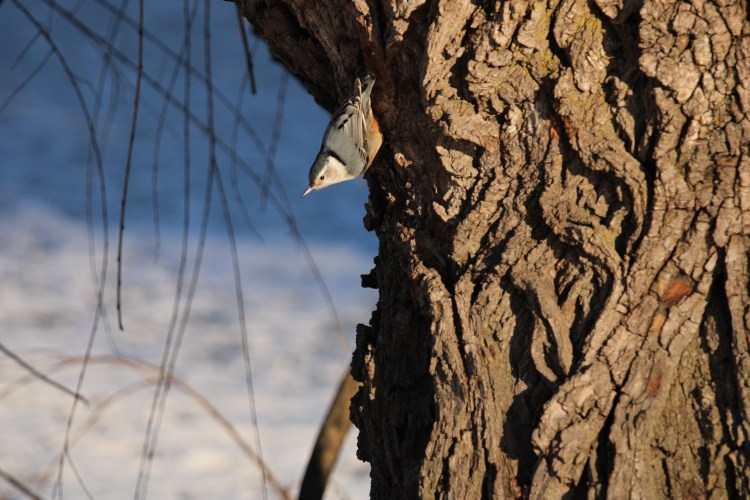
White-breasted Nutchatch
Tree Sparrow
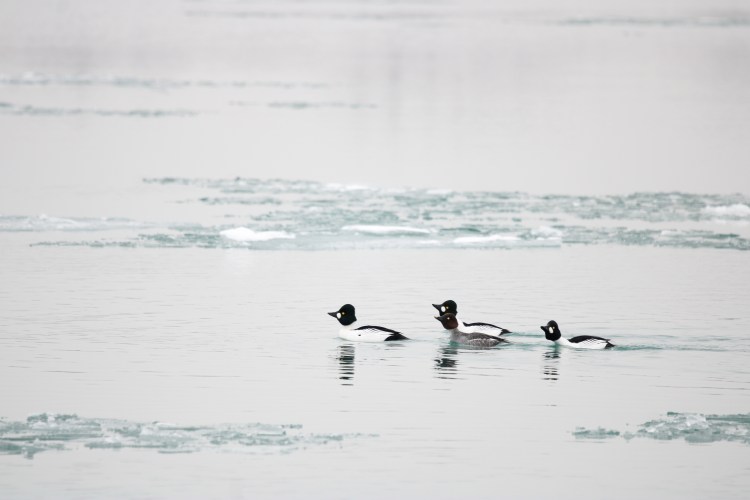
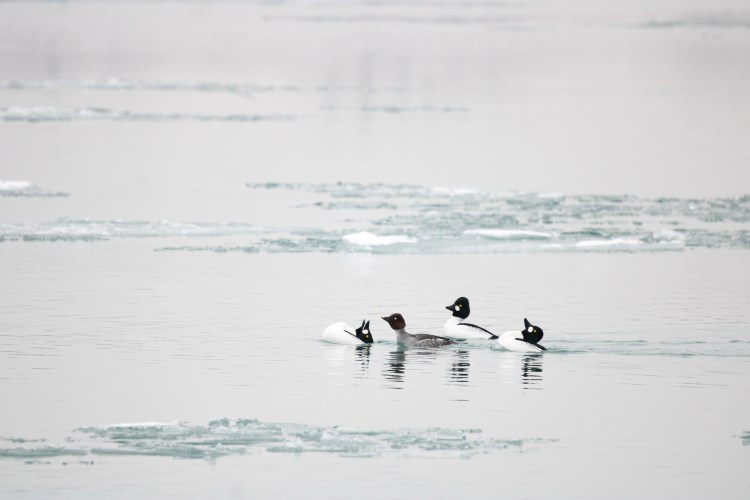
Common Goldeneye
Common Goldeneyes
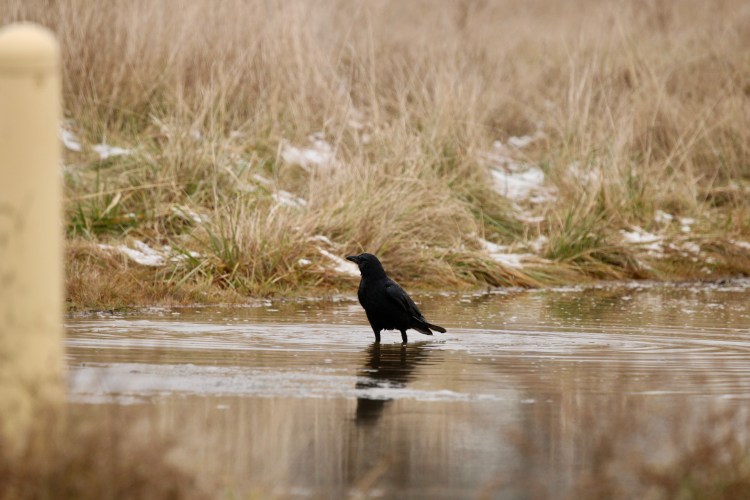
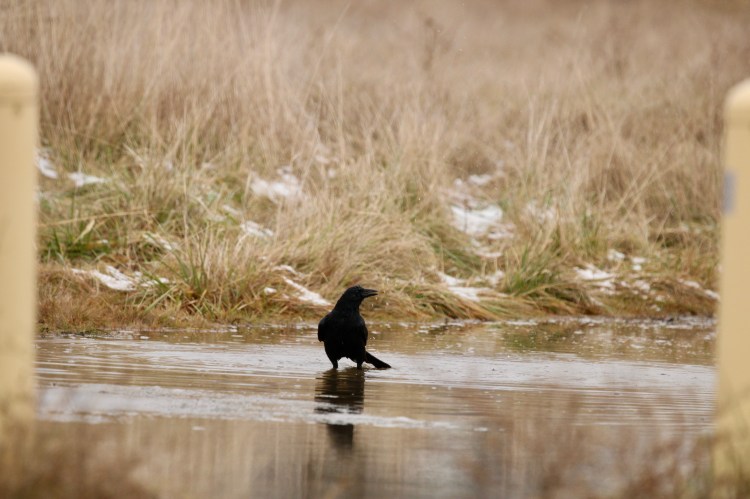
American Crow bathing in a puddle
American Crow bathing in a puddle
Winter Wren
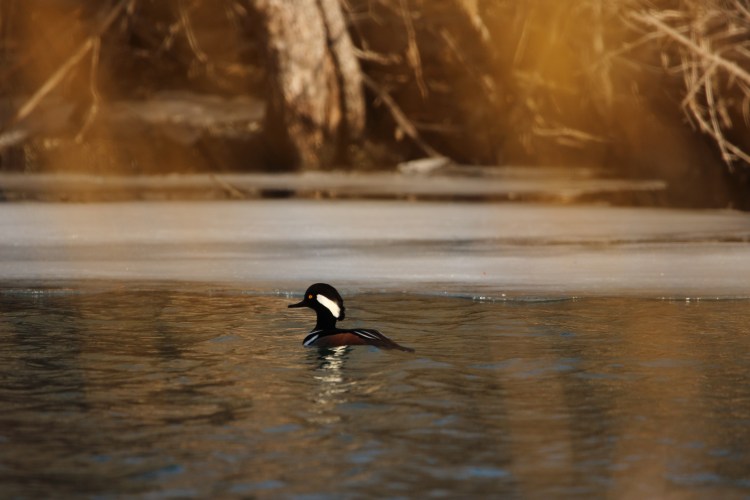
Hooded Mergansers
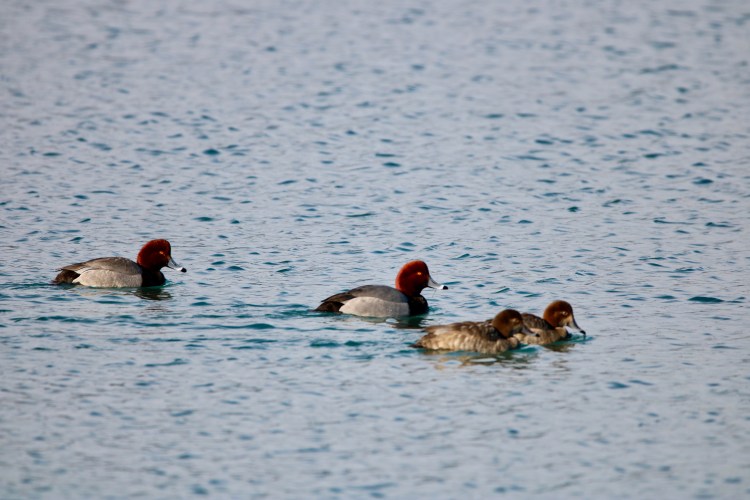
Redheads
Scaup
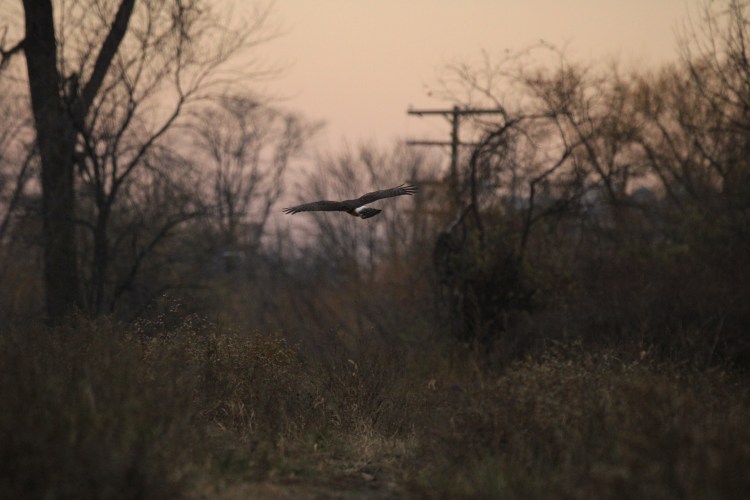
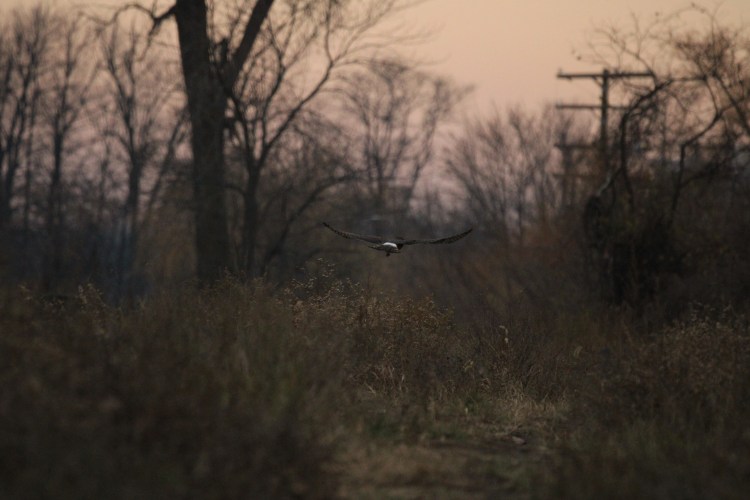
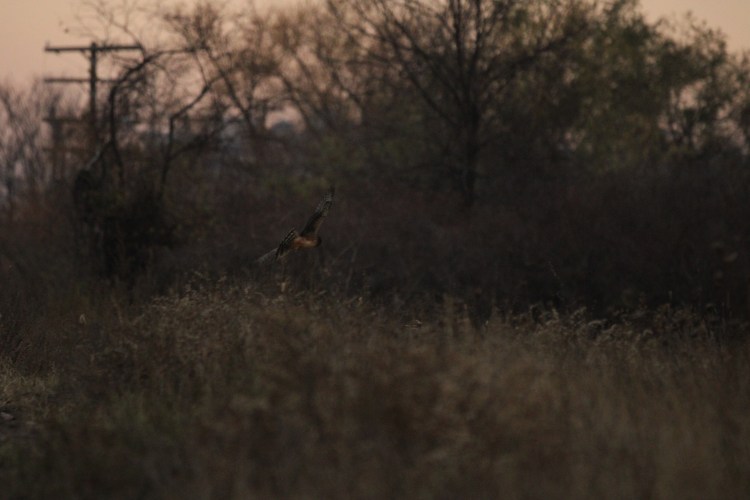
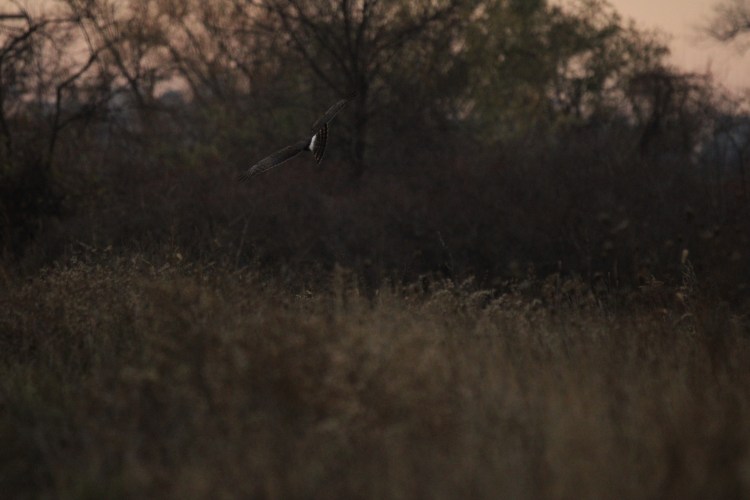
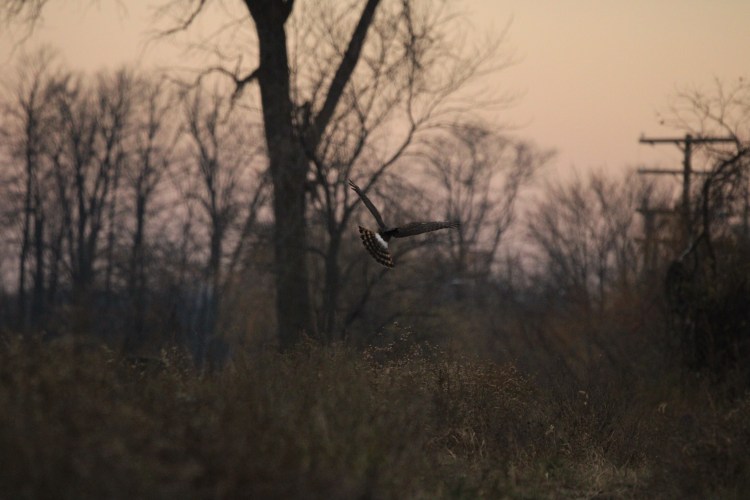
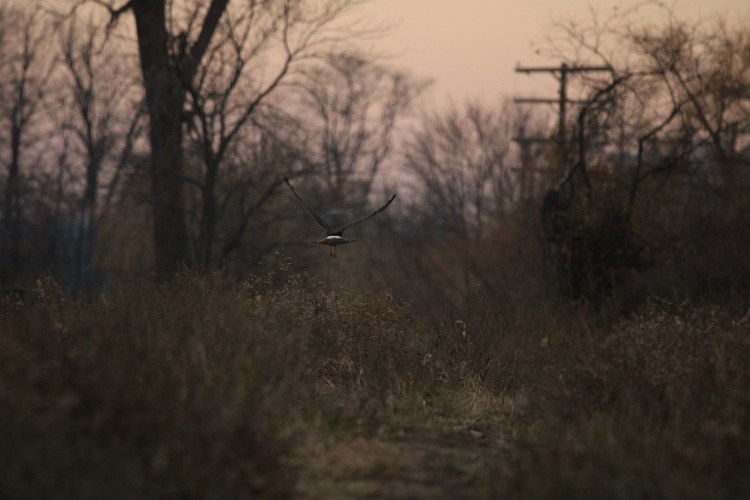
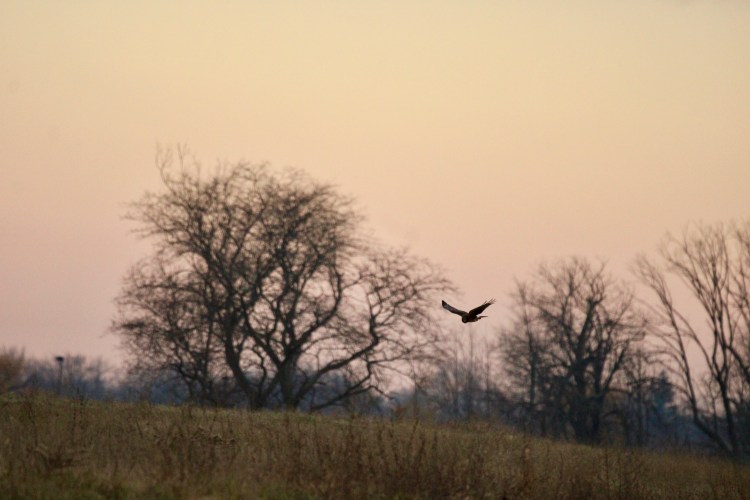
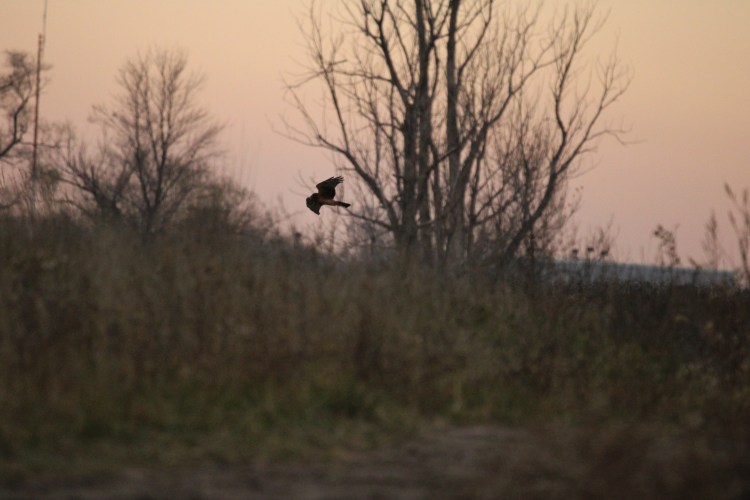
I had a few raptor encounters I will probably never forget. First, the Northern Harrier, a hawk with an Owl like face. They hover close to the ground when hunting. Although I didn’t get many “usable” shots, it was quite an experience! At one point I crouched on the ground, and flew just a few feet from my head.
Then, there was the Short Eared Owl! It was way out on the river, and at first I thought I was looking at a Northern Harrier, based on it’s behavior and the fact that I’d seen one a few times this winter. According to Ebird, one has not been sighted here since 1970, and only one other time in Canada since then.
I had a few surprising Beaver encounters.
And I’ve been seeing the loneliest neighborhood deer. It has been so funny getting and giving the reindeer report around the neighborhood though!
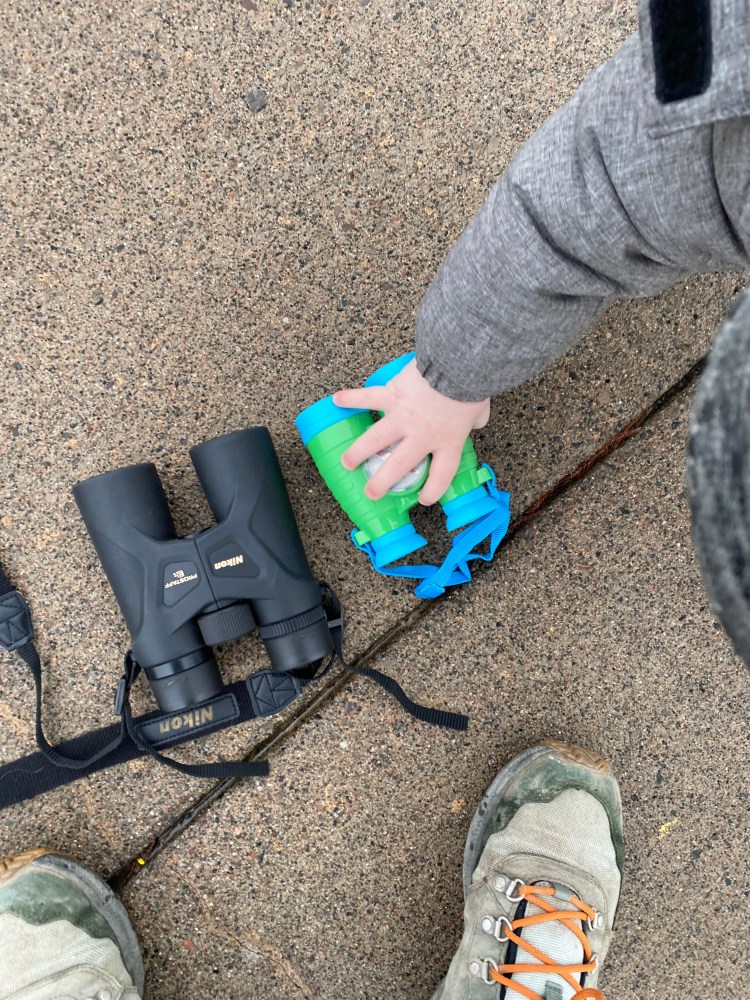
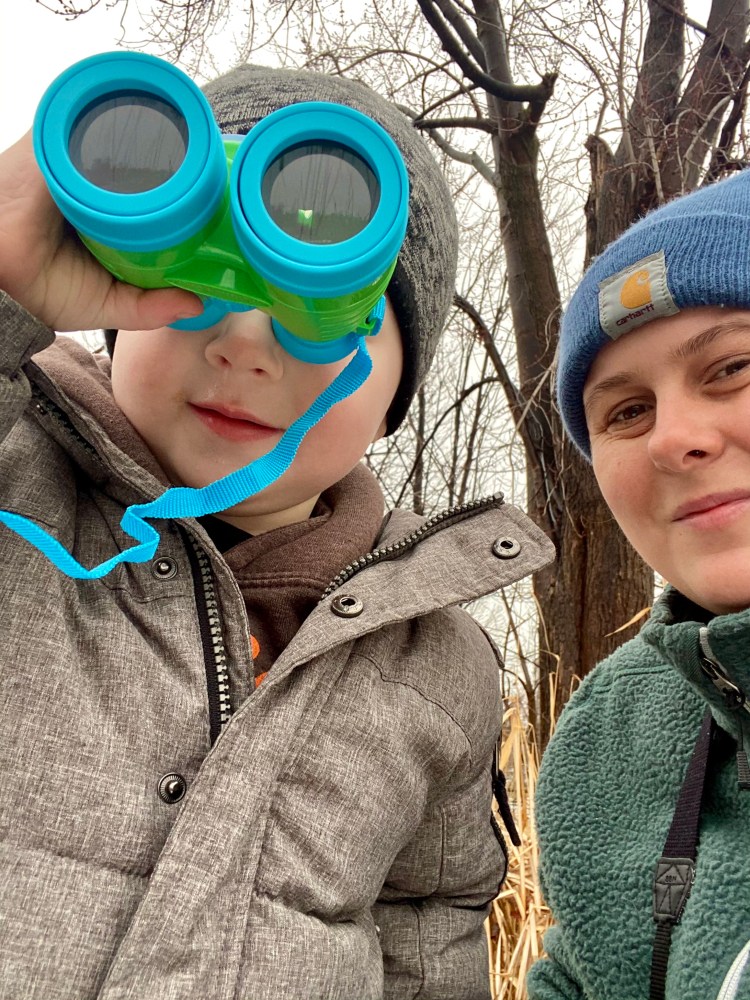
I’m usually very selfish with my birding time, I joke that it’s my therapy. But, this winter had me wanting to share more. I’m trying to teach my nephew the healing power of nature and birds early. So far, I’ve learned that toddlers do not make the best birding partners, but that’s okay.
“A man’s interest in a single bluebird is worth more than a complete but dry list of the fauna and flora of a town”
Henry David Thoreau
“Attention without feeling is only a report.”
Mary Oliver
If you click on the “About me” section of this site, you’ll see my official Bio. I didn’t really have an official bio until a few weeks ago, when I was asked to write one. I was sent a sample page to model my bio after and I was a little overwhelmed when I compared my story to previous contributors. I’m no scientist and I don’t have any formal education or training related to birds or birding. And yet, here I am, about to be published in their magazine. So, I decided to use my 100 words to tell them who I am, and what I believe in, rather than where I work or what I do. I don’t measure the value of a person based on their job or their education level. Anyway, I got an email from the editor telling me my bio was confusing, and they needed clarity.
So, if the bio in my bio is unclear, here’s my UNOFFICIAL bio, a recreation of one I made for Instagram in an attempt to be seen as a whole ass person and not just a bird account.
I’ve bounced back and forth between Southwest, Cass Corridor and North Corktown (we didn’t call it that) my entire life.
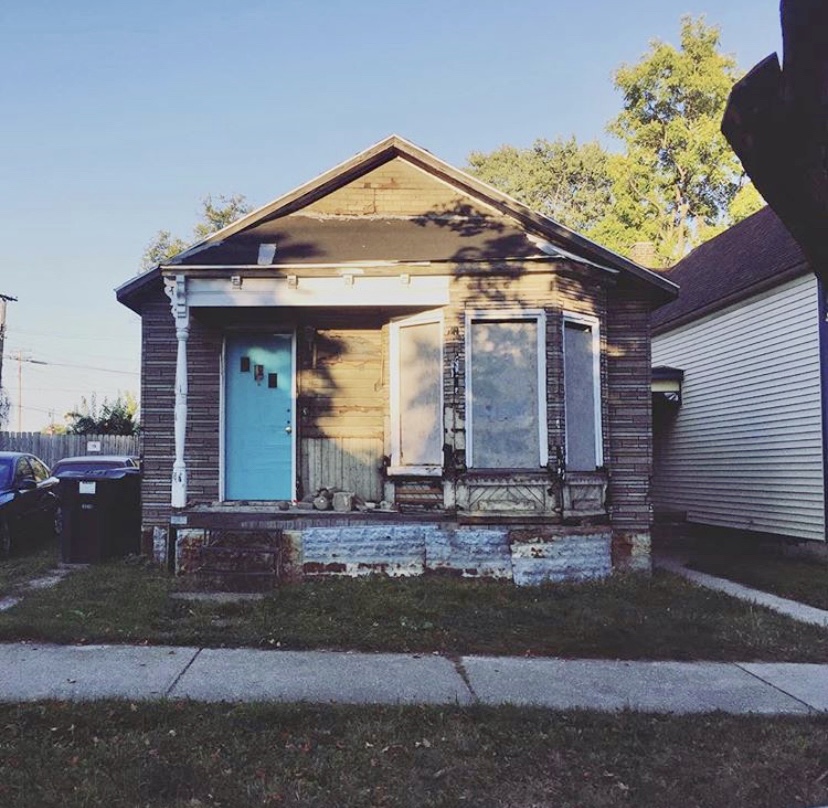
We lived in this house, but we didn’t own it.
When I first started getting into birding, I believed nature was elsewhere, and I had to go find it.
My brain had been well trained to believe there is nothing here. That idea extended to nature.
I didn’t have the means to drive an hour or more to look for birds. The few times I had done that, I felt I had nothing in common with the people I encountered there. So in true Detroit fashion, I decided to go it alone.
This was once my Elementary School, now one of my favorite birding locations.
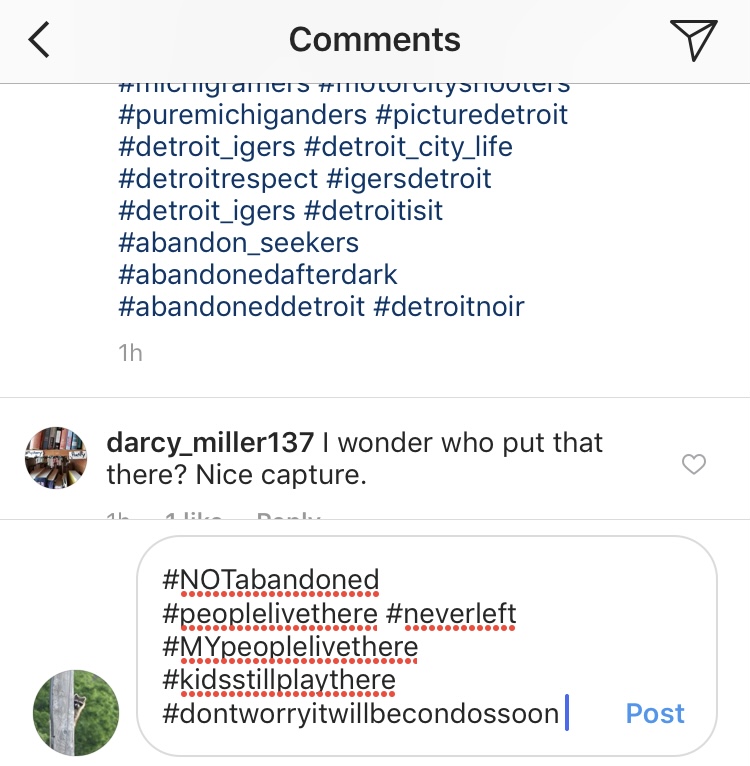
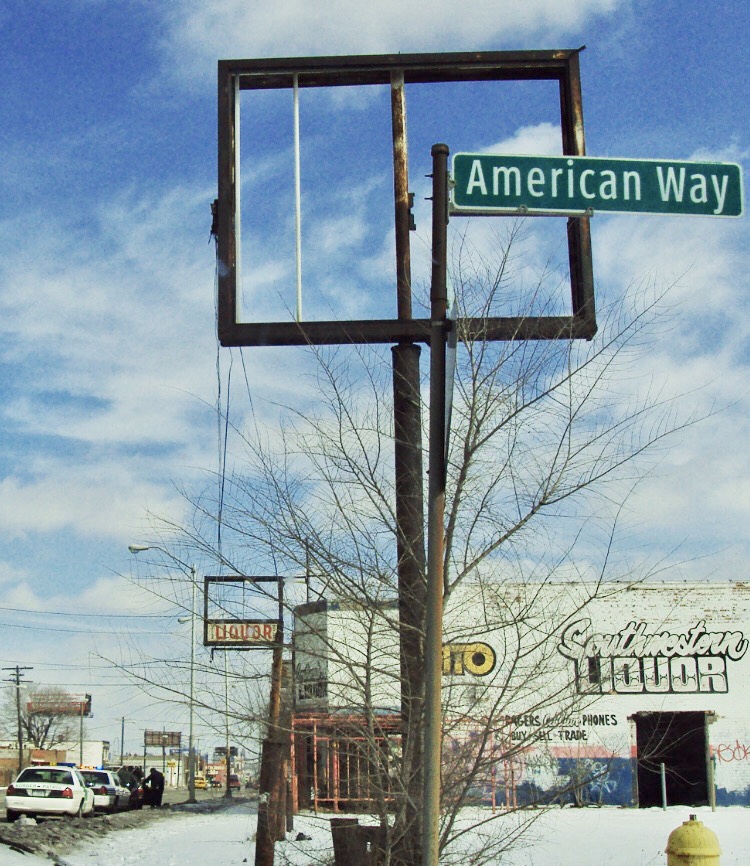
I do my best not to show the ruins. That story has been told many times, and often not by the people who have lived it.
The first time I saw a Cedar Waxwing I knew I was on the right path.
I couldn’t believe something so beautiful was from the same place as me. In that moment, I decided to buy a camera and find a way to share this beauty with others.
When I first got to Instagram, I was content with telling the birds’ stories.
When I saw other people telling OUR stories, and I knew I had to say more.
Sometimes I talk shit on the internet. And in real life. This is my family’s home, 3 generations have lived in this exact house. This was our basketball court. And yes, it really is condos now.
I take other kinds of photos sometimes, trying to document my reality.
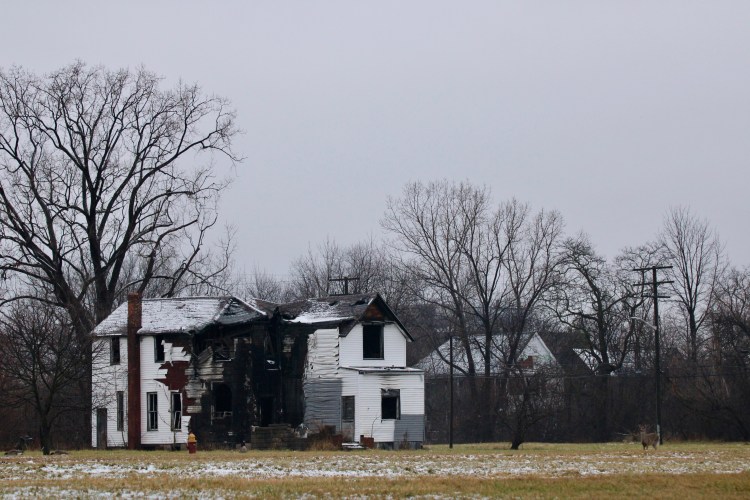
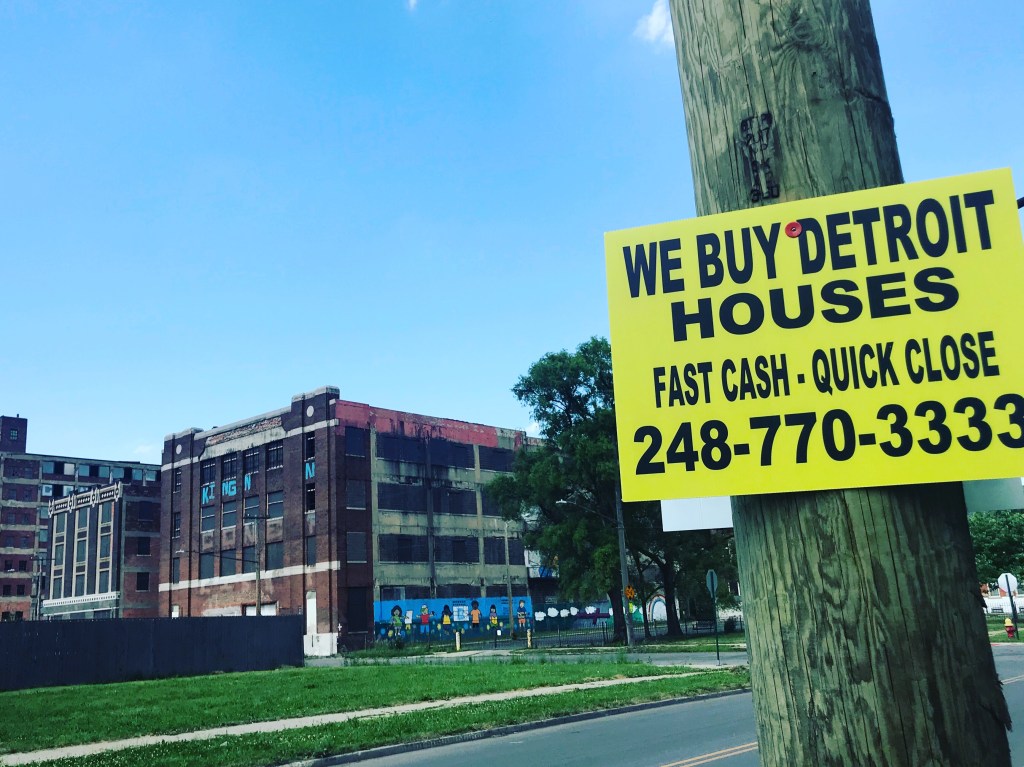
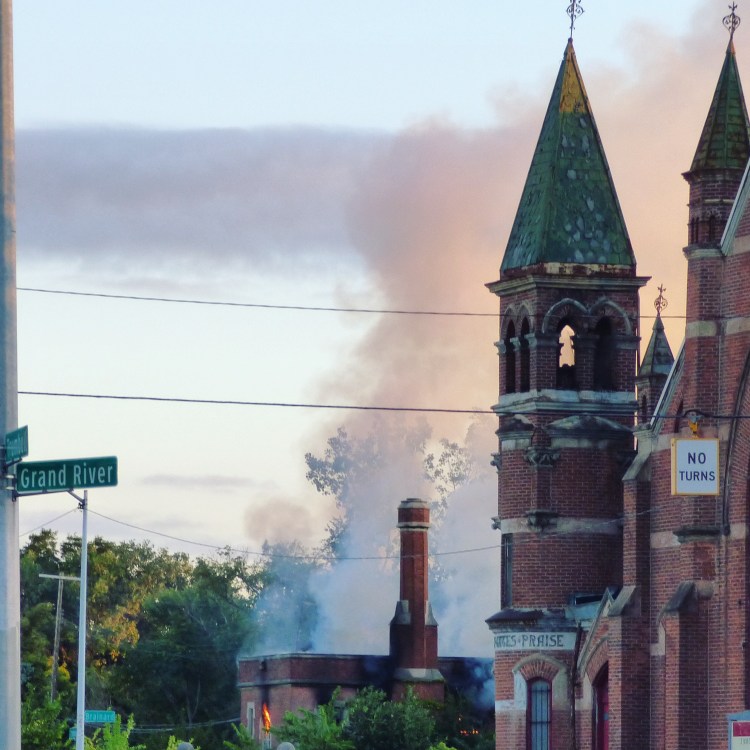
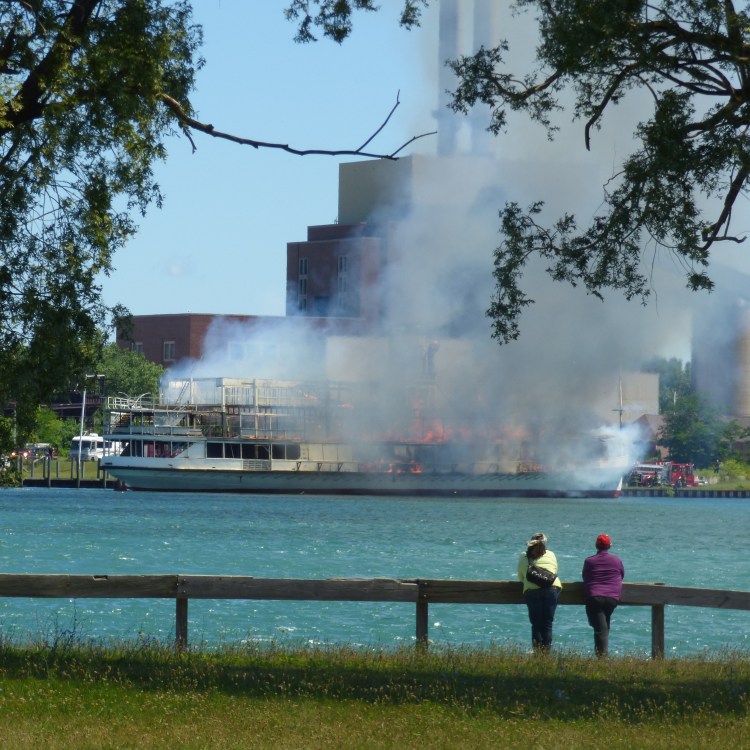
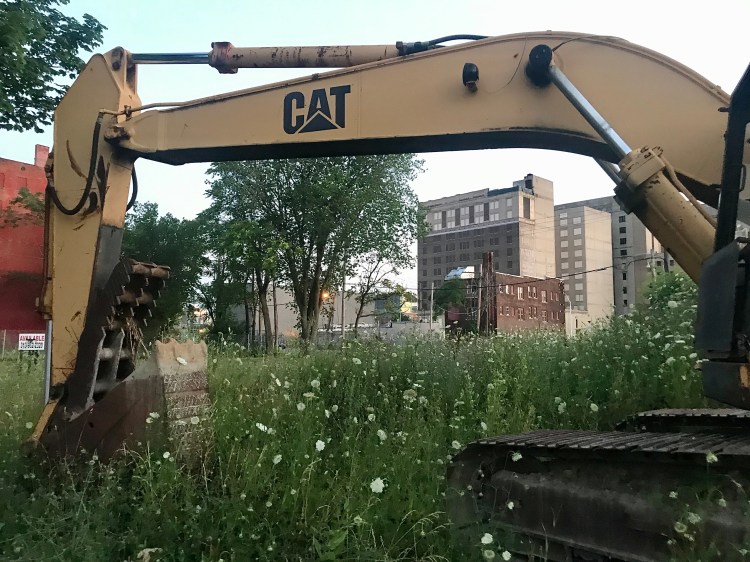
Detroiters have a difficult relationship with Fire
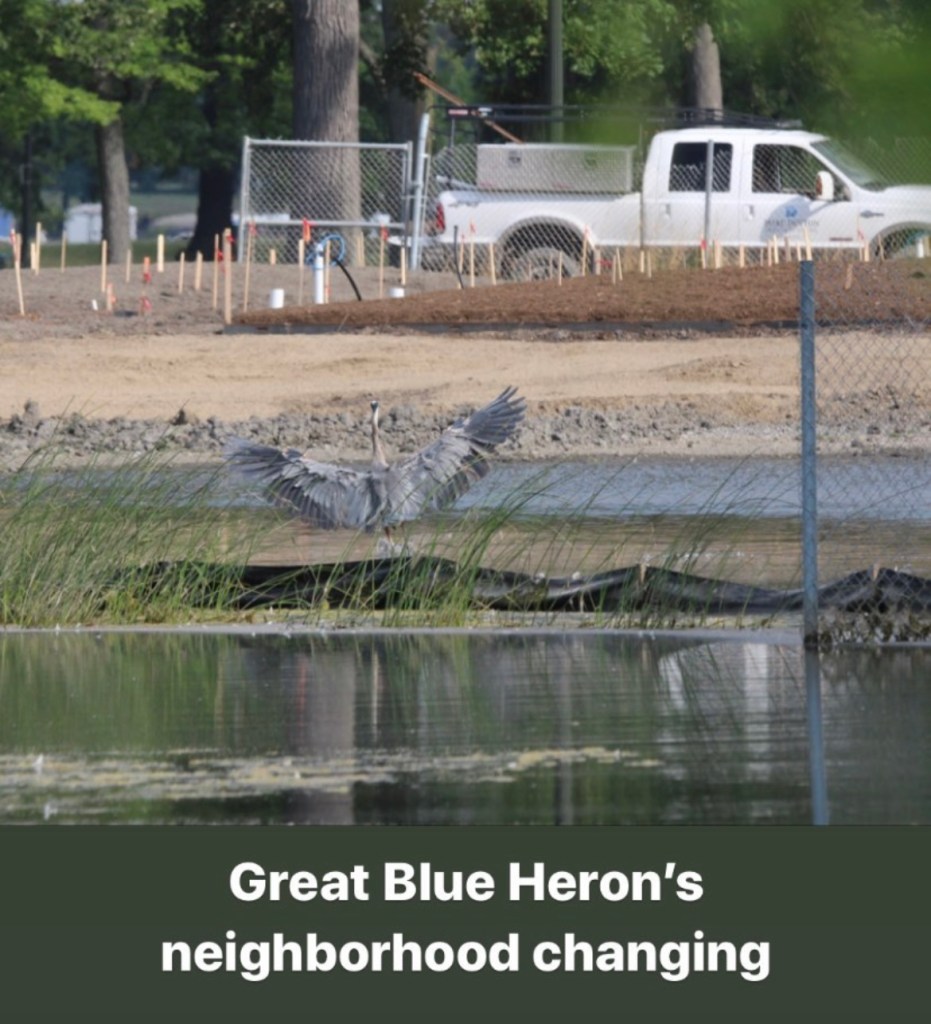
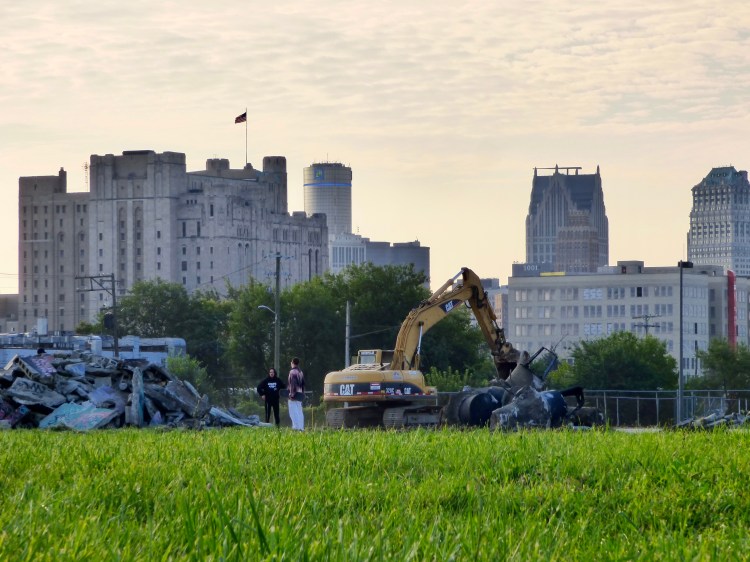
A few days ago the Detroit City Council voted against rezoning residential neighborhoods in Southwest Detroit to heavy industrial use. The rezoning was requested by Central Transport and the Moroun family. The proposed changes came up when the city swapped land they owned in SW for land the Moroun’s owned near the new FCA plant on the East side. After months of speculation, worry, rumors, backdoor deals, attending public hearings, the people have reportedly prevailed.
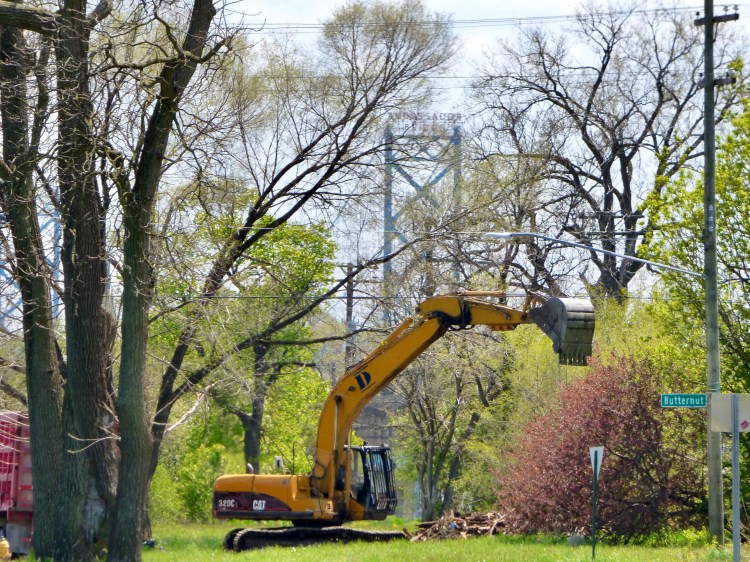
The corner of W Grand Blvd and Toledo was primed to become yet another truck yard. The proposed rezoning to heavy industry would’ve had numerous negative effects on the mostly poor, mostly Latinx neighborhood. It would’ve effected my family directly. My mom lives on the street connected to the almost truck yard, and I spent my teenage years here. The neighborhood once had a sizable Lithuanian population, and my mother’s husband bought their house from some of his family members there about 20 years ago.
On one hand, I feel like we’ve won. On the other, the physical landscape has still been altered. Billionaires still “own” the land now. They’ve cleared it, and erected a fence. I think a lot about these cycles, how our memories are tied to seemingly unimportant places. And how easily these places are erased. How those unaffected call it “progress.”
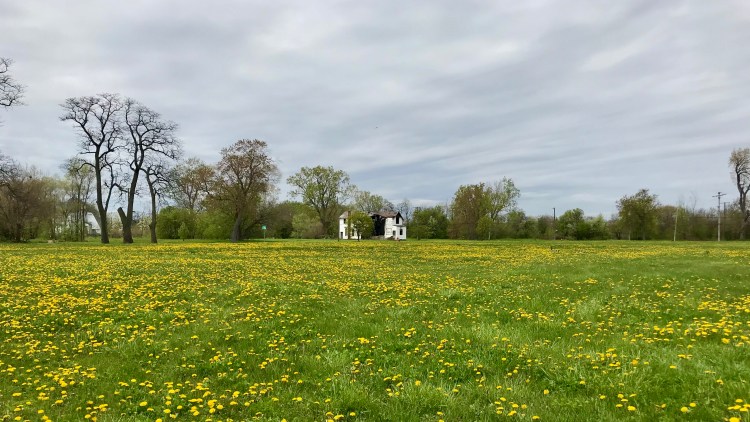
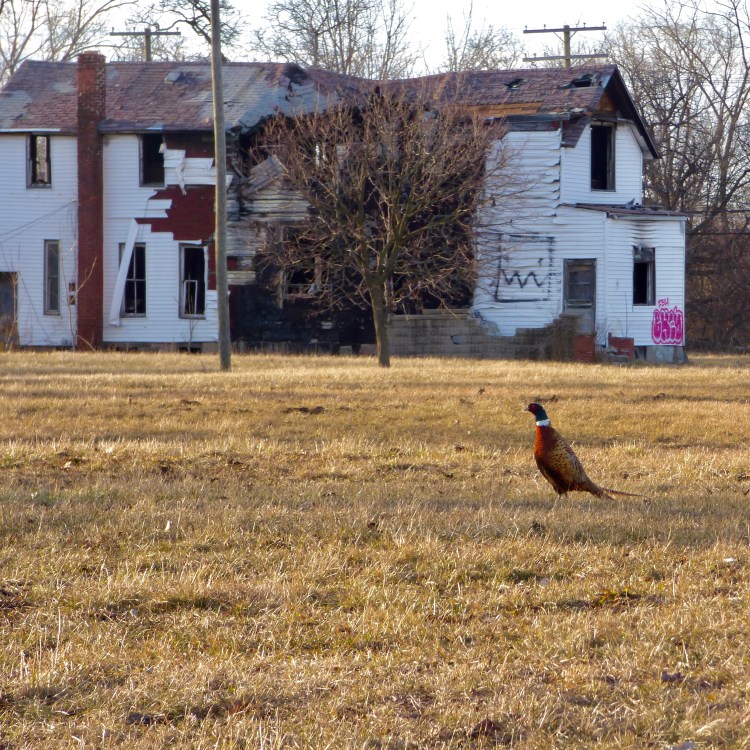
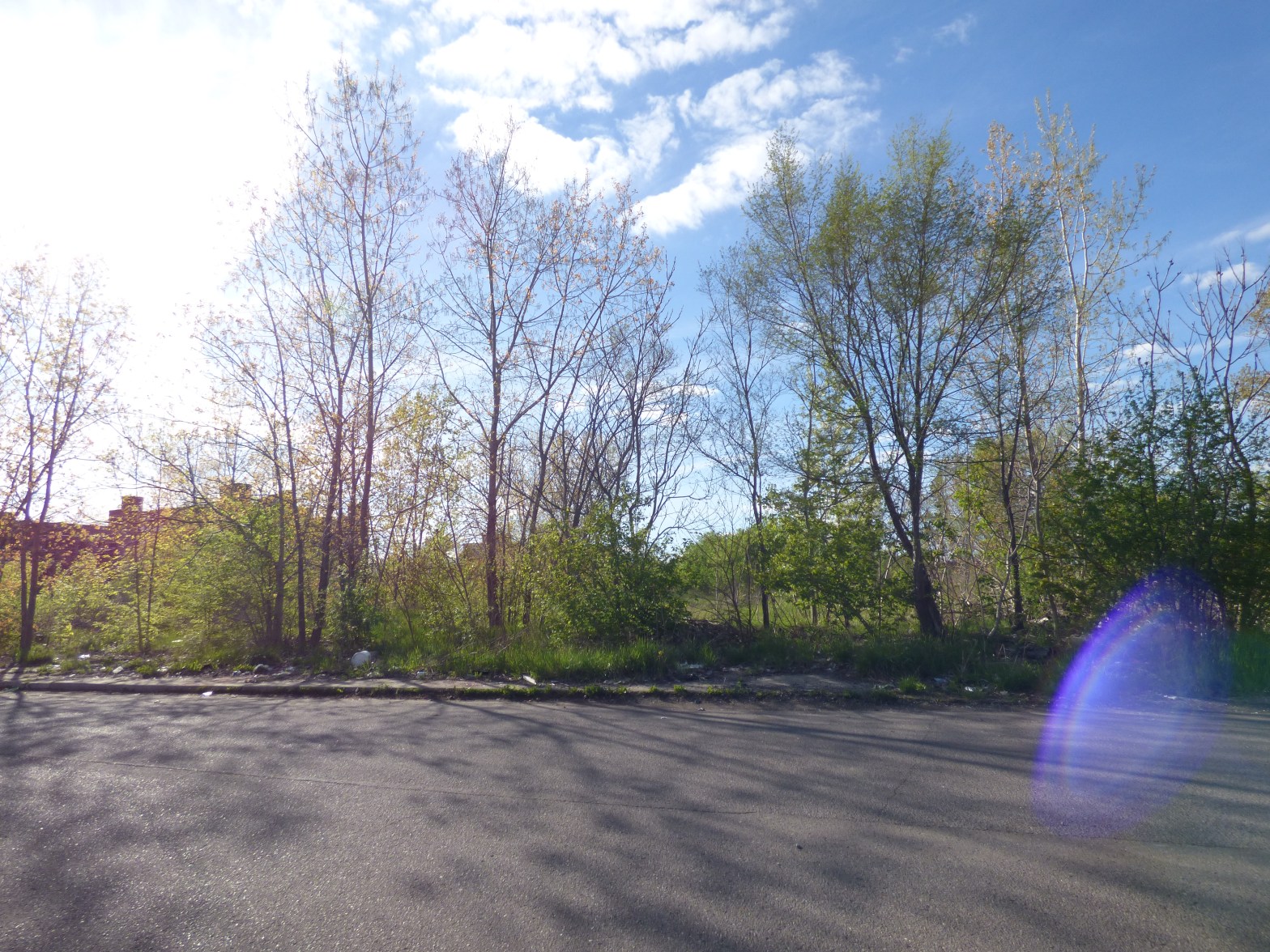
Truth is, this is Anishinaabe land. Europeans built a railroad, factories, and a whole neighborhood on this stolen land. I came to know it after deindustrialization, and during the complete disinvestment in this city and its mostly black people. During this period, I imagine this land was closer to what it once was. “Vacant” some would say, but providing, for trees, plants, bugs, and the migratory birds who have always seemed to know its location. Providing until now, now that this neighborhood is rapidly gentrifying and capitalism and industry has deemed it valuable again.
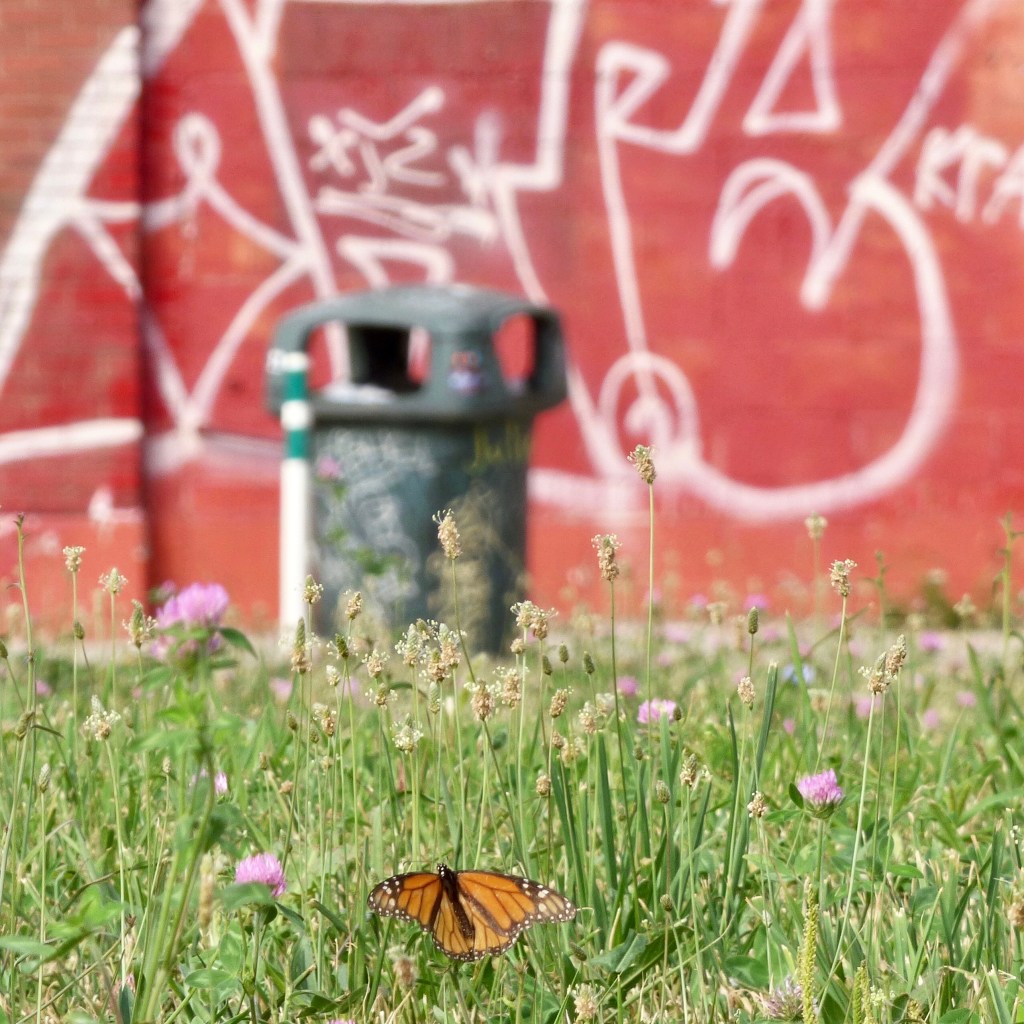
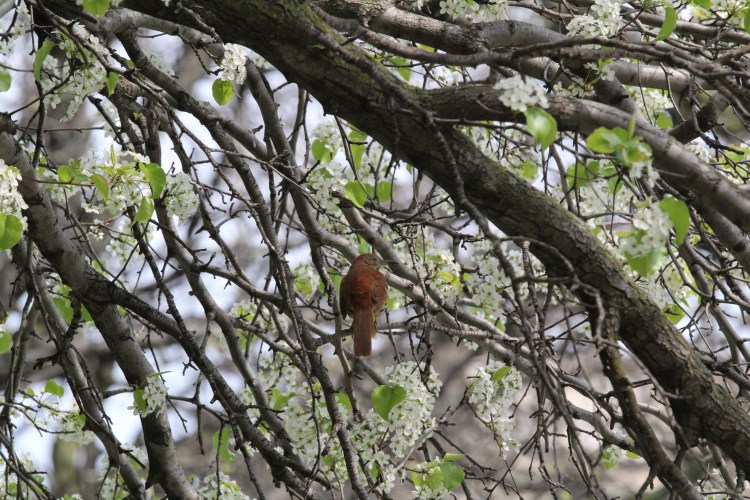
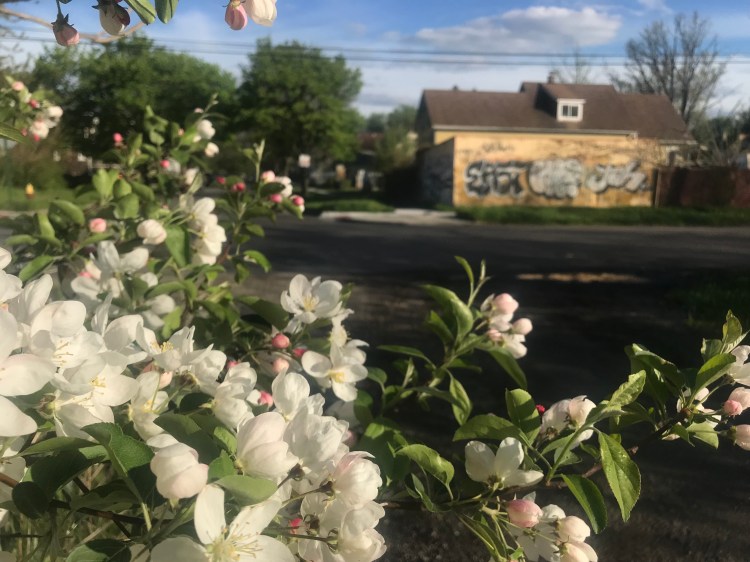
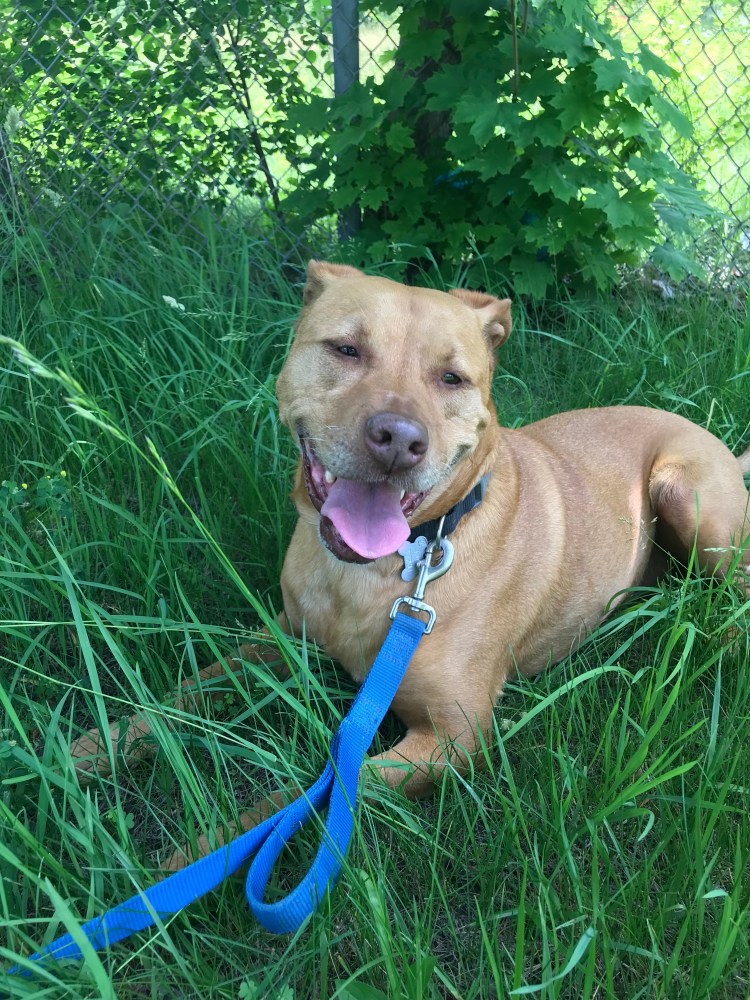
Below is some of the life I was able to document happening here.
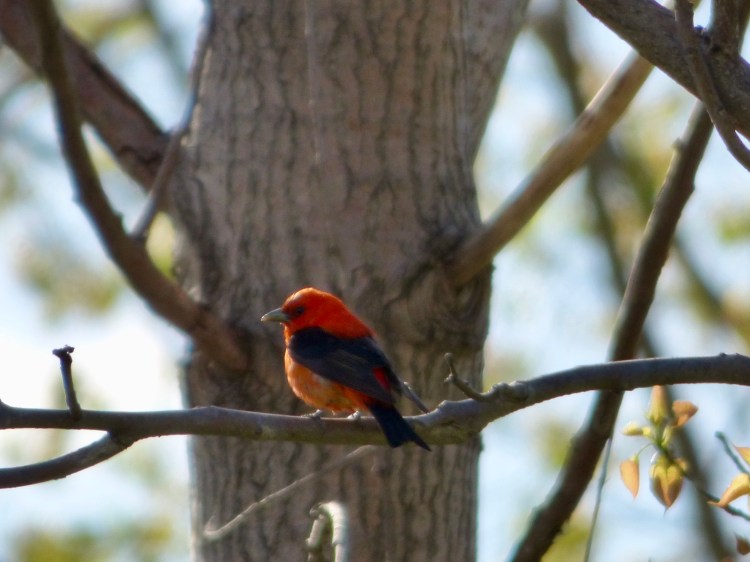
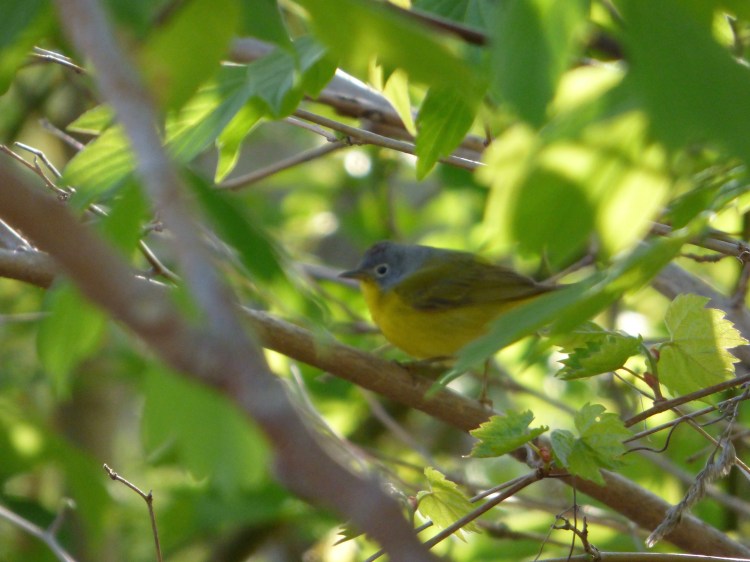
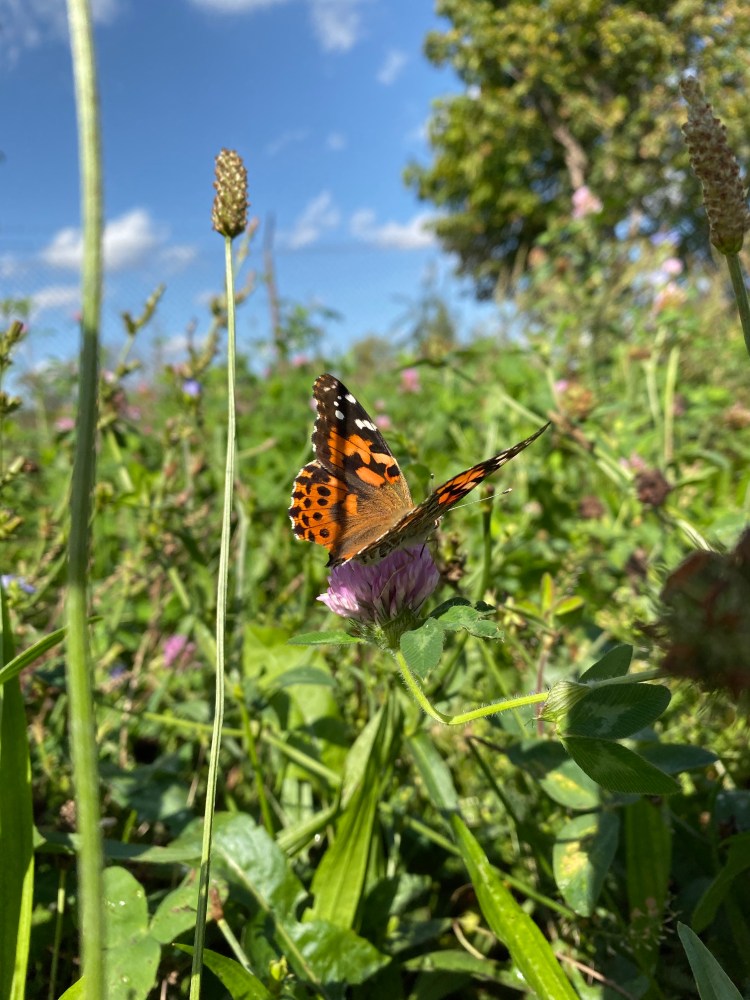
Brown ThrasherScarlet TanagerNashville WarblerPainted Lady ButterflyChico
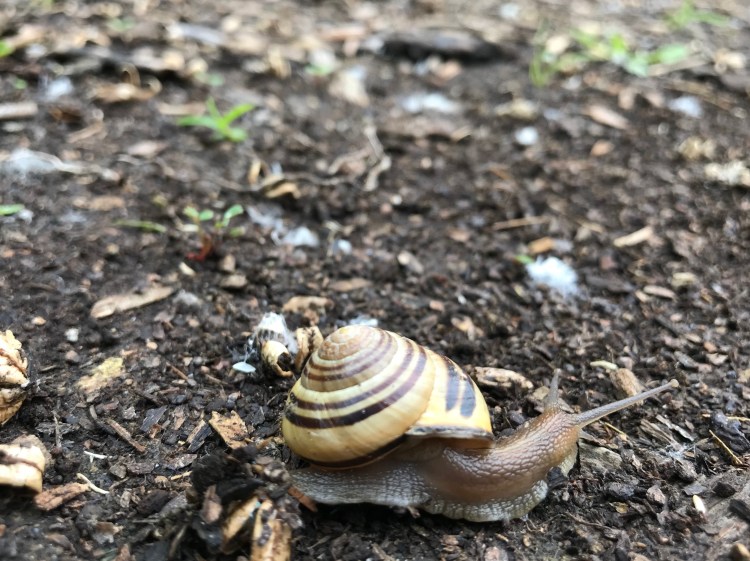
Invasive Snails
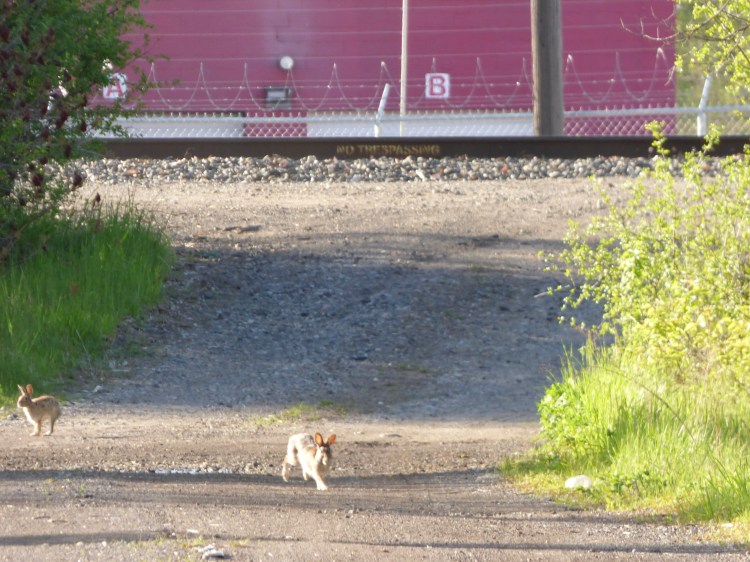
Cottontail Rabbits
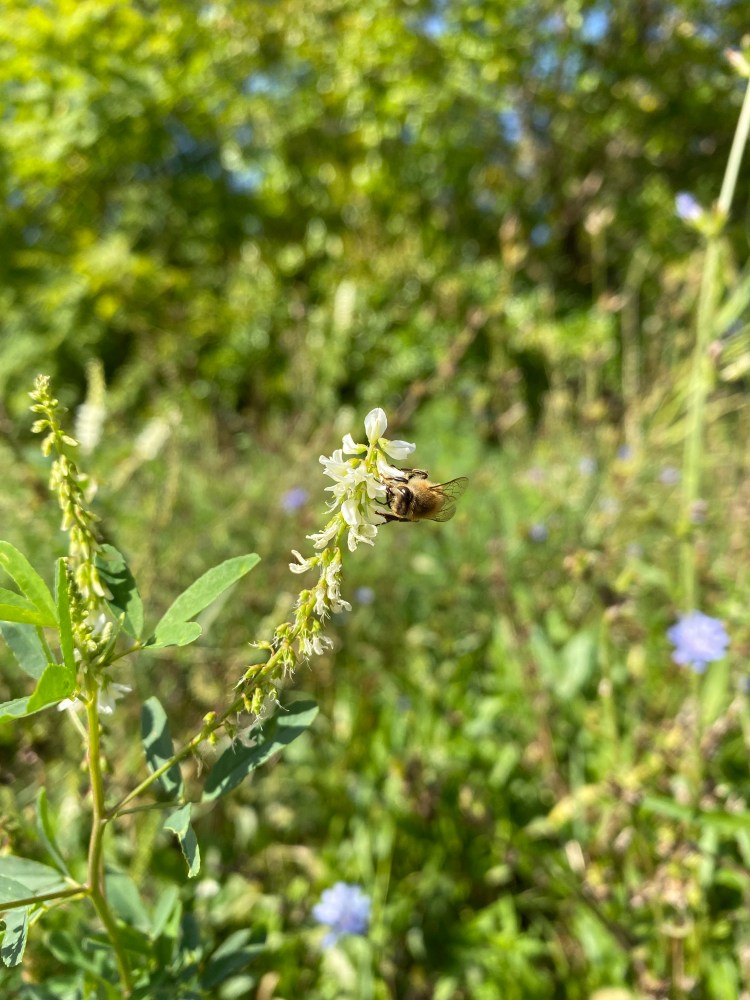
Bee on White Sweet Clover
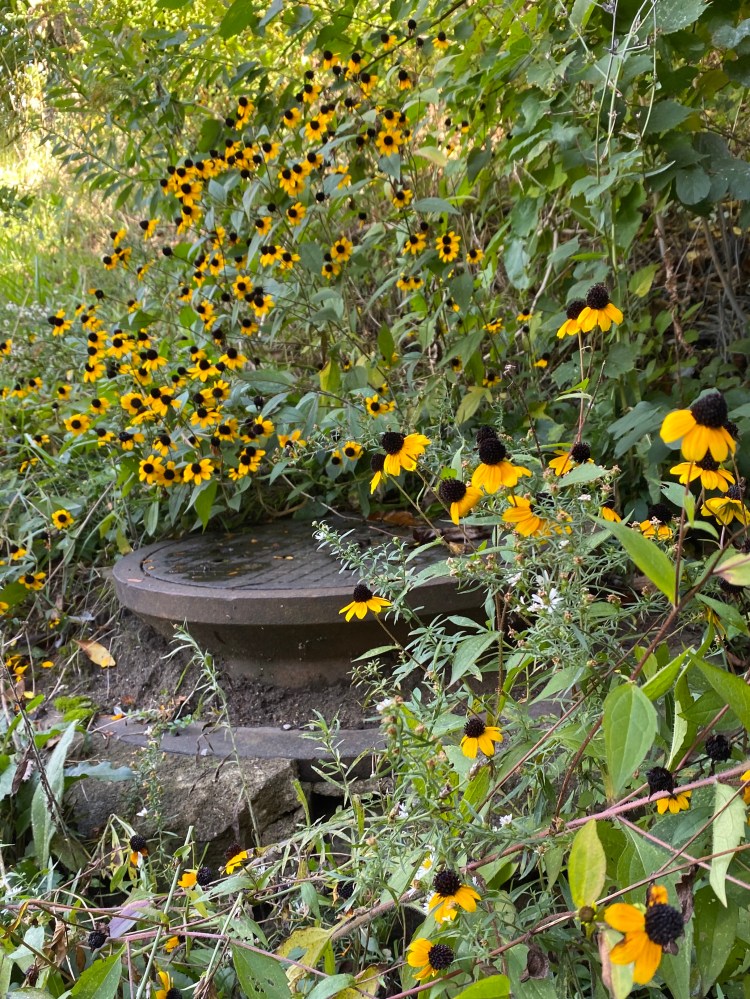
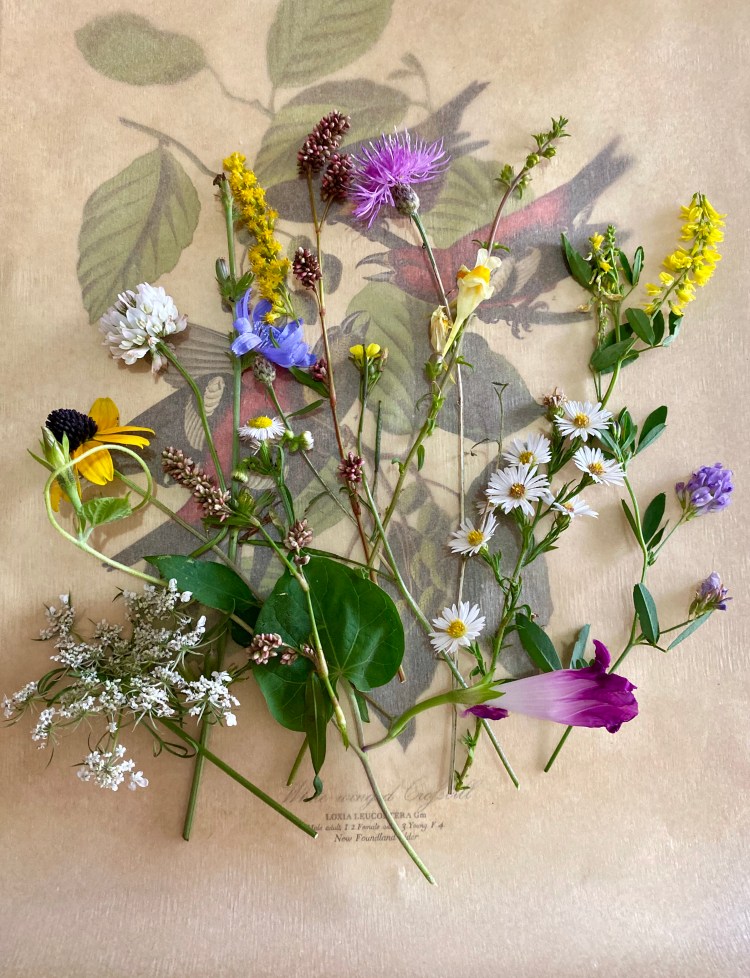
Wildflowers
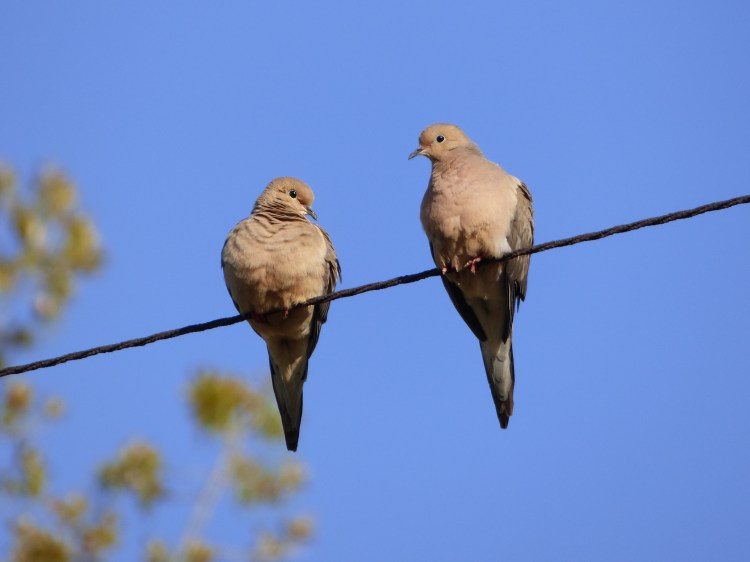
Mourning Dove
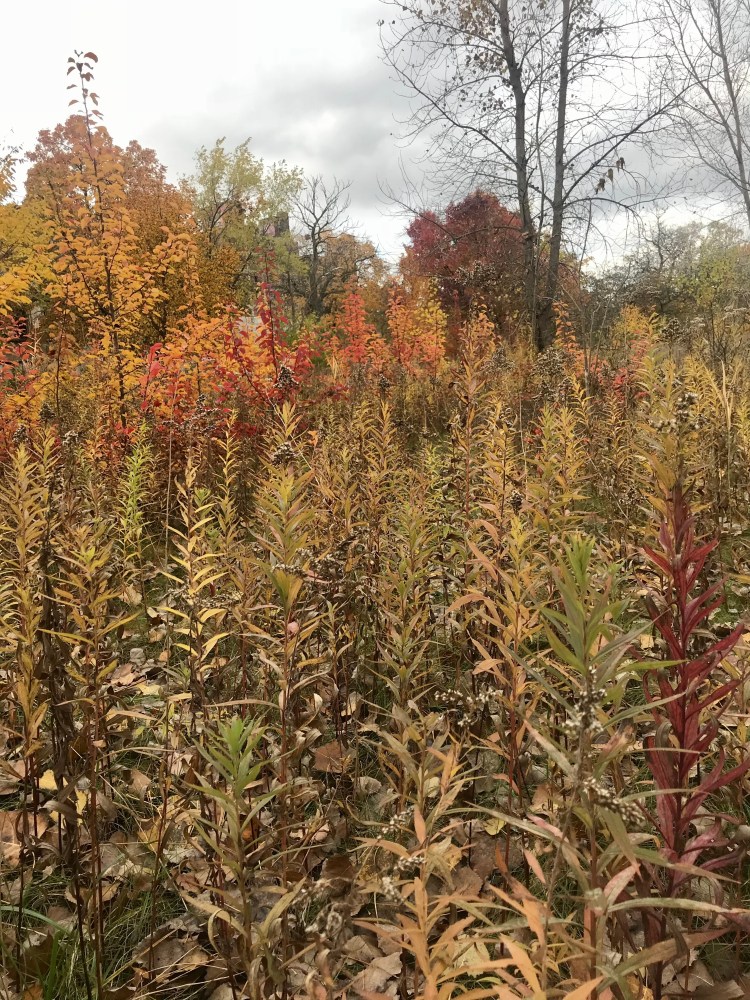
View in Fall
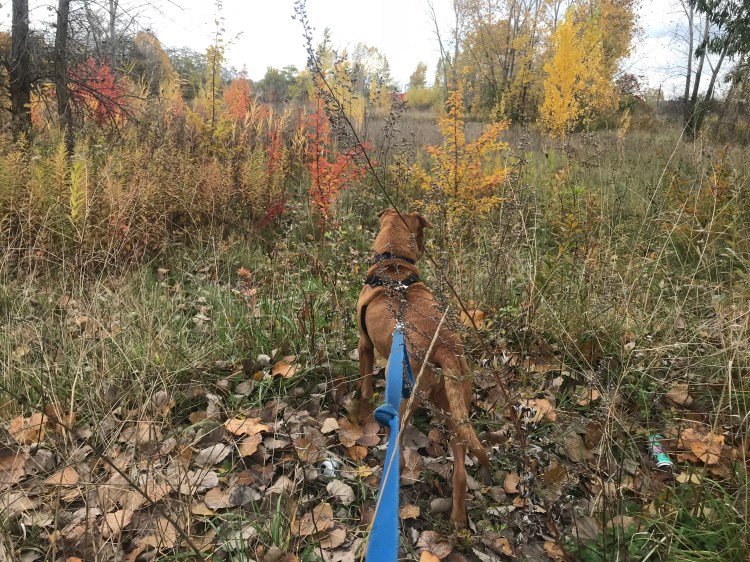
View In Winter
My brother’s family getting ready to light firecrackers























 feraldetroit.com